 Powered by
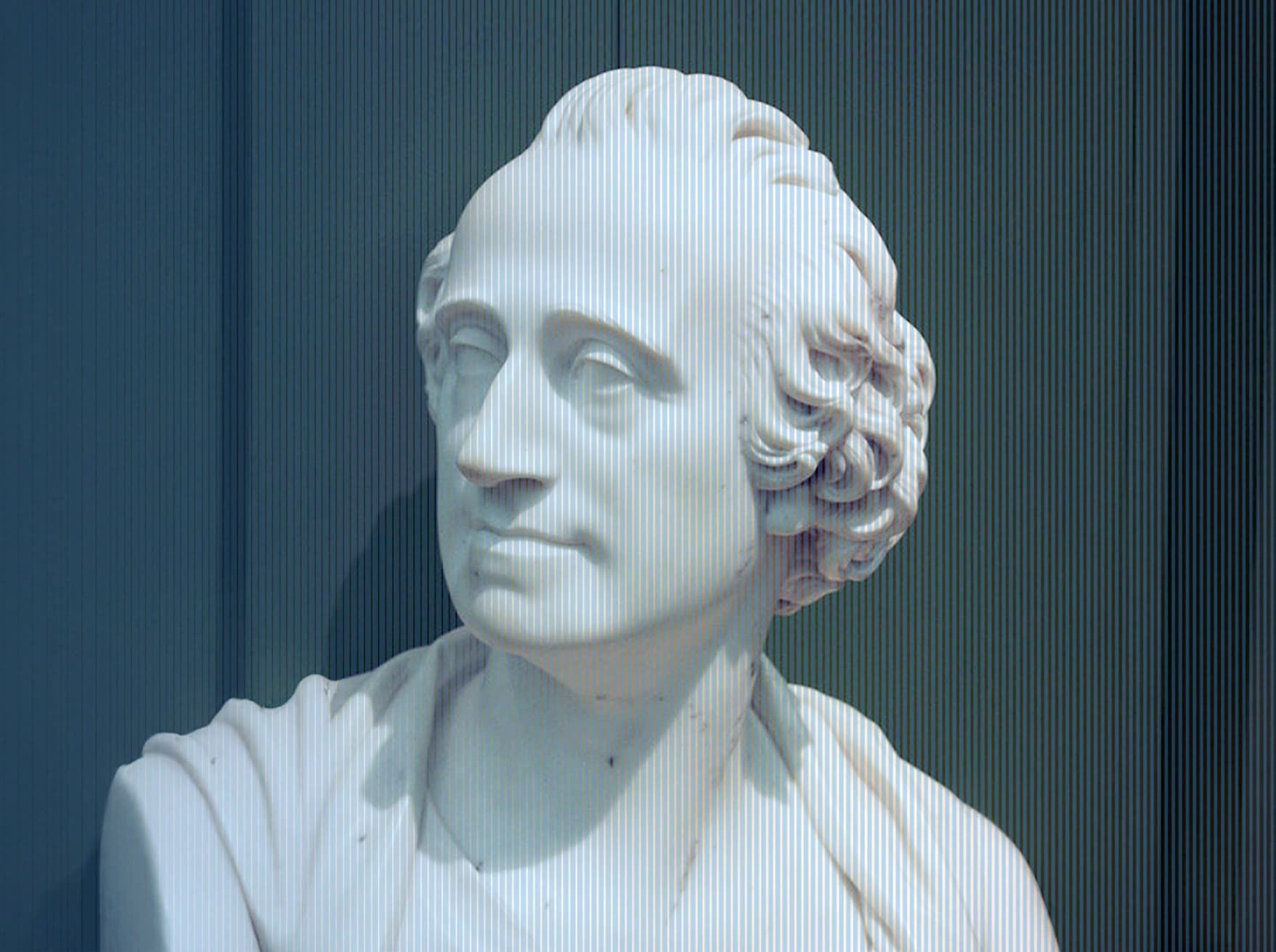
In 2026, the United States will mark a familiar anniversary: 250 years since the Declaration of Independence. Less familiar—but no less consequential—is another anniversary that same year: 250 years since the publication of Adam Smith’s The Wealth of Nations.
Adam Smith was not an American, but few thinkers have shaped America’s understanding of liberty, markets, and government more profoundly. The founders read him closely. His books circulated widely in the late eighteenth century, and his arguments were part of the intellectual air the founders breathed. His ideas influenced how they thought about trade, taxation, the dangers of monopoly, and the proper limits of political power. Alexander Hamilton quoted him extensively. James Madison read him. Thomas Jefferson owned multiple editions of his works at Monticello.
Since the mid-1700s, no economist—perhaps no social thinker—has exerted a more enduring influence on how free societies reason about prosperity, justice, and the institutions that make both possible.
And yet Smith today is more invoked than read, more quoted than understood. He has become a collection of slogans rather than arguments. The “invisible hand” is treated as magic. Self-interest is confused with greed. Markets are either worshipped or dismissed.
That matters, because many of the problems Smith warned us about feel strikingly contemporary: admiration for wealth and power, markets distorted by special advantage and political influence, rules bent by the well-connected, and the quiet erosion of the institutional foundations that allow a free society to endure.
This series is an attempt to recover Adam Smith in his own voice—and to let him speak to questions that remain urgent.
The approach
Over the course of 2026, I will publish a monthly series of letters written as if Adam Smith were addressing America today. Each letter takes up a question Smith cared deeply about—ambition and status, markets and monopoly, justice and freedom—and the conditions under which strangers can cooperate peacefully and prosperously.
These letters do not represent my views. They represent Smith’s—reconstructed as faithfully as possible from his writings, primarily The Theory of Moral Sentiments (1759) and The Wealth of Nations (1776). Every claim and argument is grounded in something Smith wrote. Each letter will include links to the relevant passages, so readers can verify the source material.
Readers are invited to disagree, agree, and discuss Smith’s views in this forum. Either way, you will be engaging with Adam Smith’s ideas—not mine. That’s welcome. Smith’s ideas deserve serious discussion and debate.
Why now?
Because Smith understood something many have forgotten: prosperity and freedom are not natural. They require institutions. And institutions require constant defense.
At a moment when debates about markets, inequality, and justice are both urgent and confused, Smith offers something rare: a clear framework and institutional wisdom.
These letters are an invitation to think alongside one of the most penetrating minds in modern history—at a moment when his questions may be more urgent than ever.
Read articles in the series here.
Ross Levine is the Booth Derbas Family/Edward Lazear Senior Fellow at the Hoover Institution and co-director of Hoover’s Financial Regulation Working Group. He is a founding member of the Hoover Program on the Foundations for Economic Prosperity. Levine is also a Research Associate at the National Bureau of Economic Research.