 Powered by
Shortly after the inaugural Earth Day in 1970, R&B legend Marvin Gaye recorded “Mercy Mercy Me (The Ecology),” popular music’s most soulful environmental anthem. With a voice trained in gospel choir, Gaye lamented an “overcrowded land” where “poison is the wind that blows” and “fish [are] full of mercury.”
Gaye’s chorus—“things ain’t what they used to be”—resonated with an American public hungry for change. As a young boy, listening to my Dad sing along, I felt those words strike a chord with me too. They sparked questions that would follow me: Was the environment truly better in the past? Could it ever improve again? And if so, how?
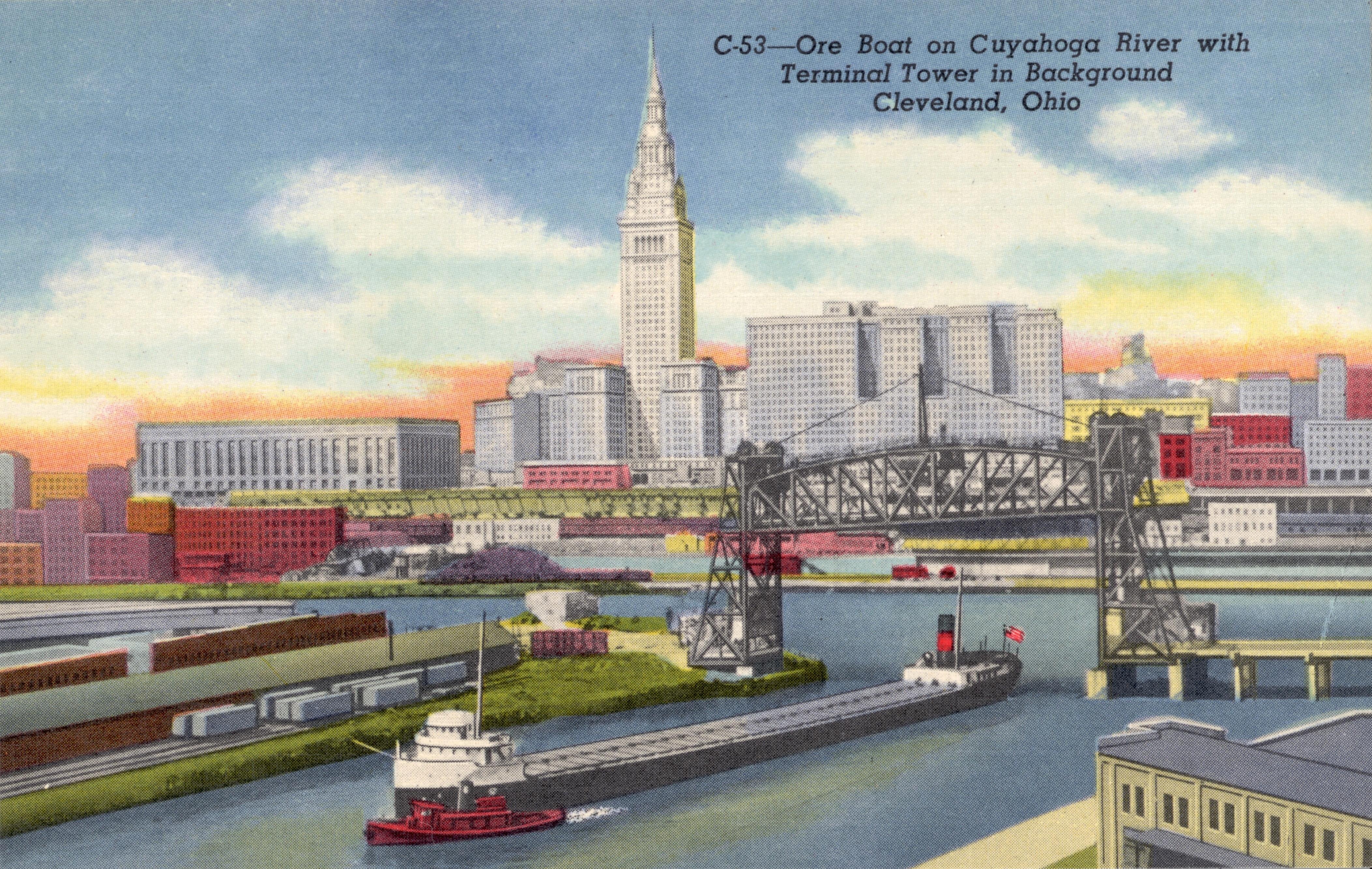
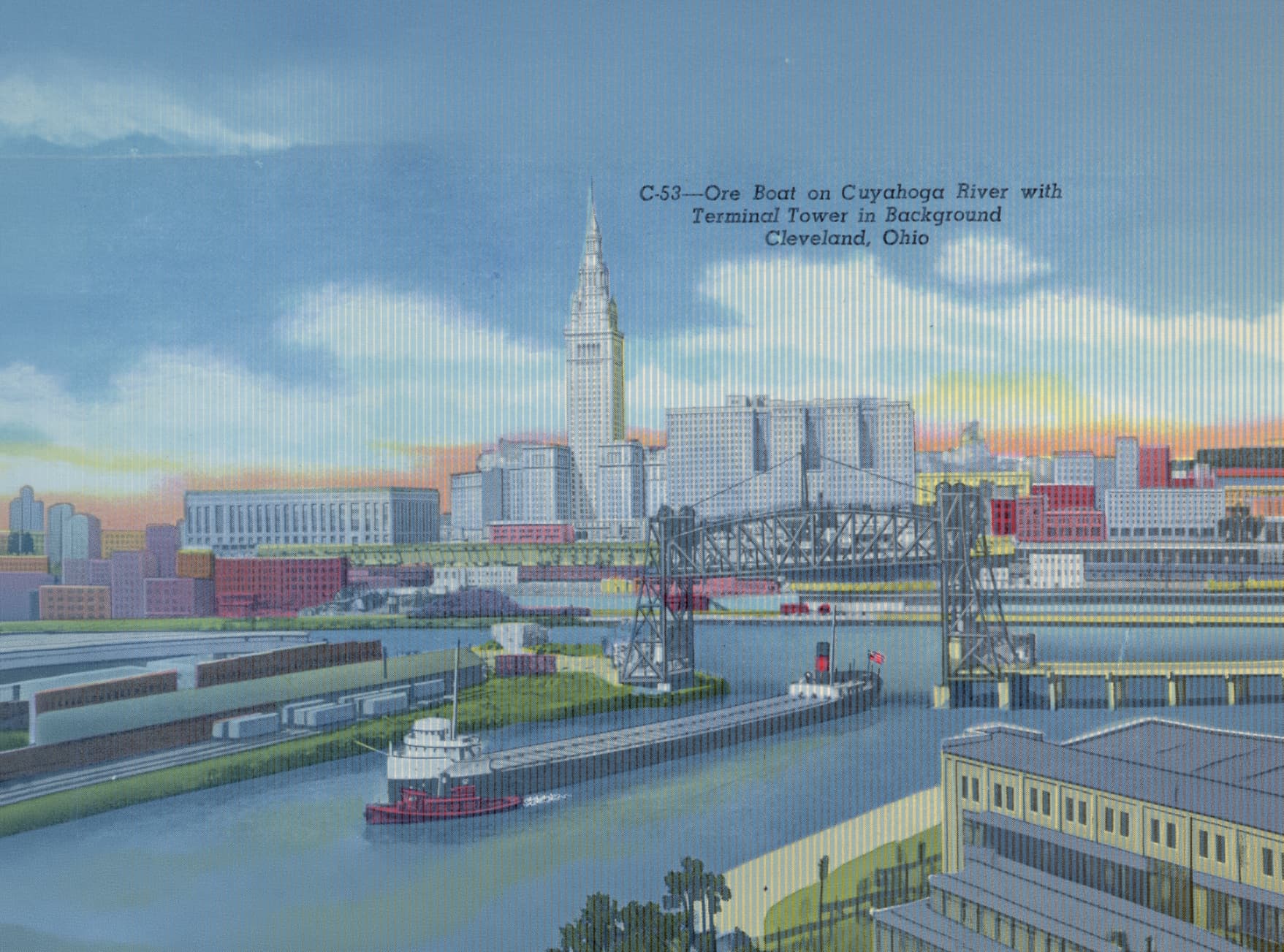
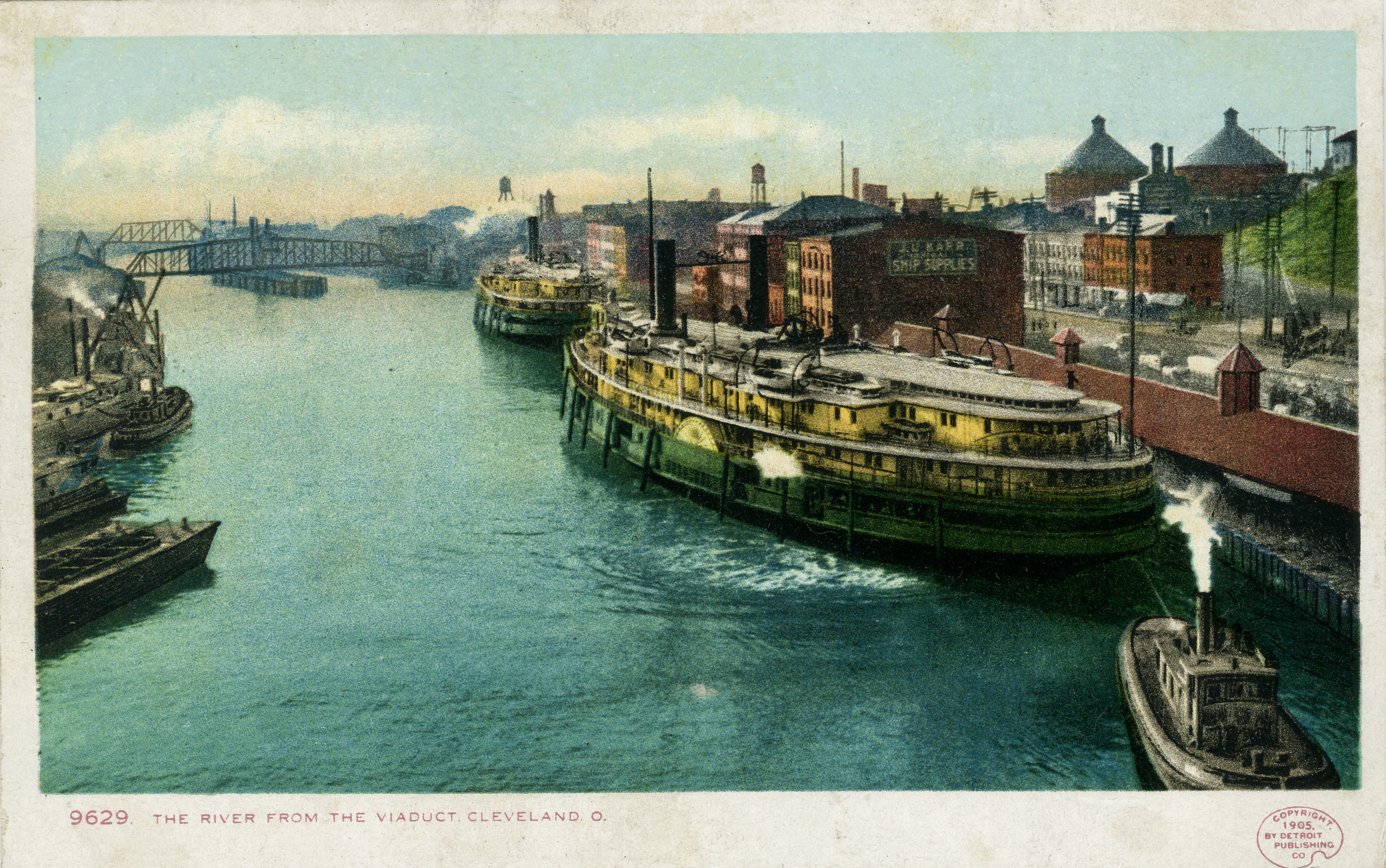
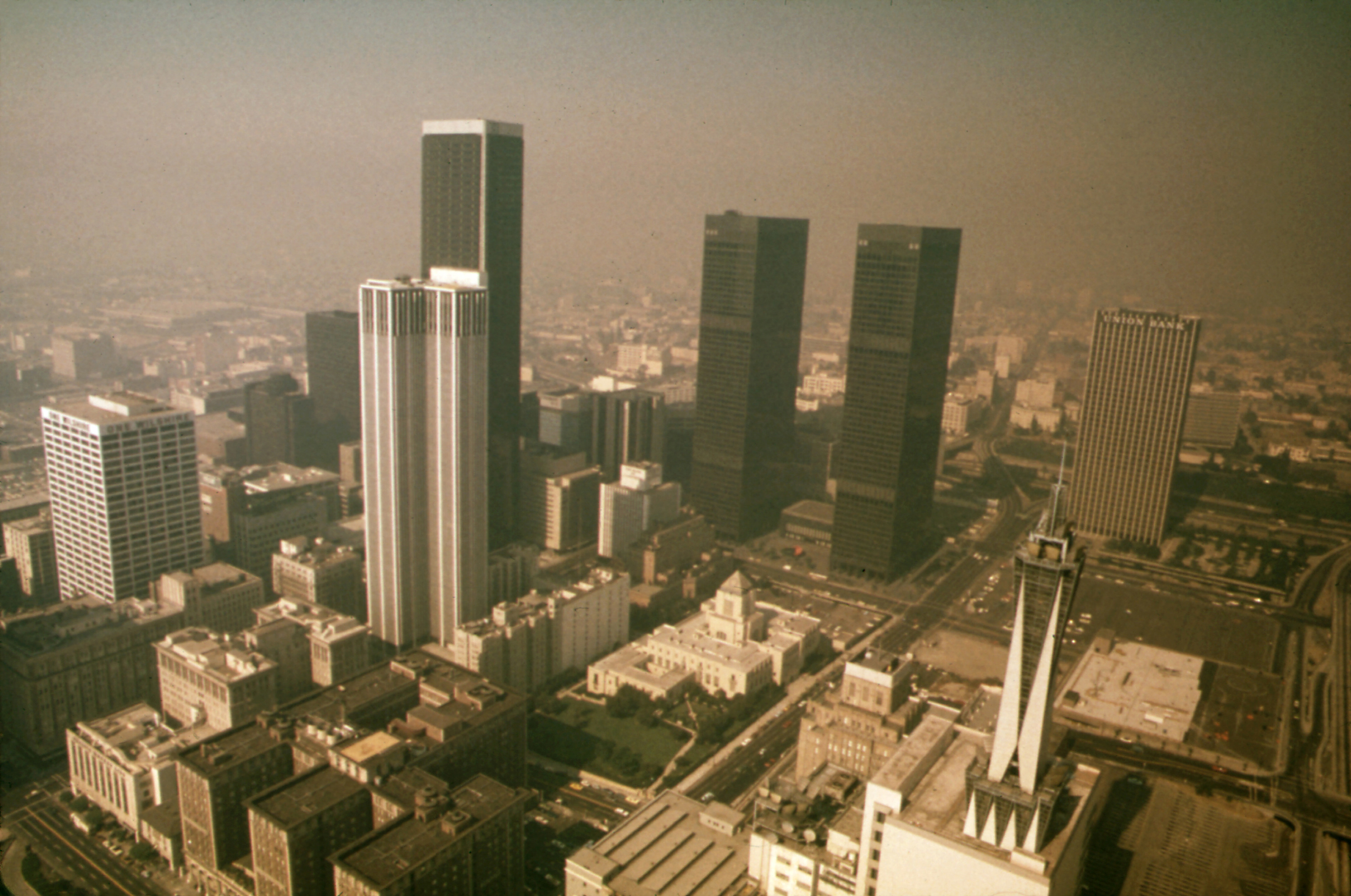
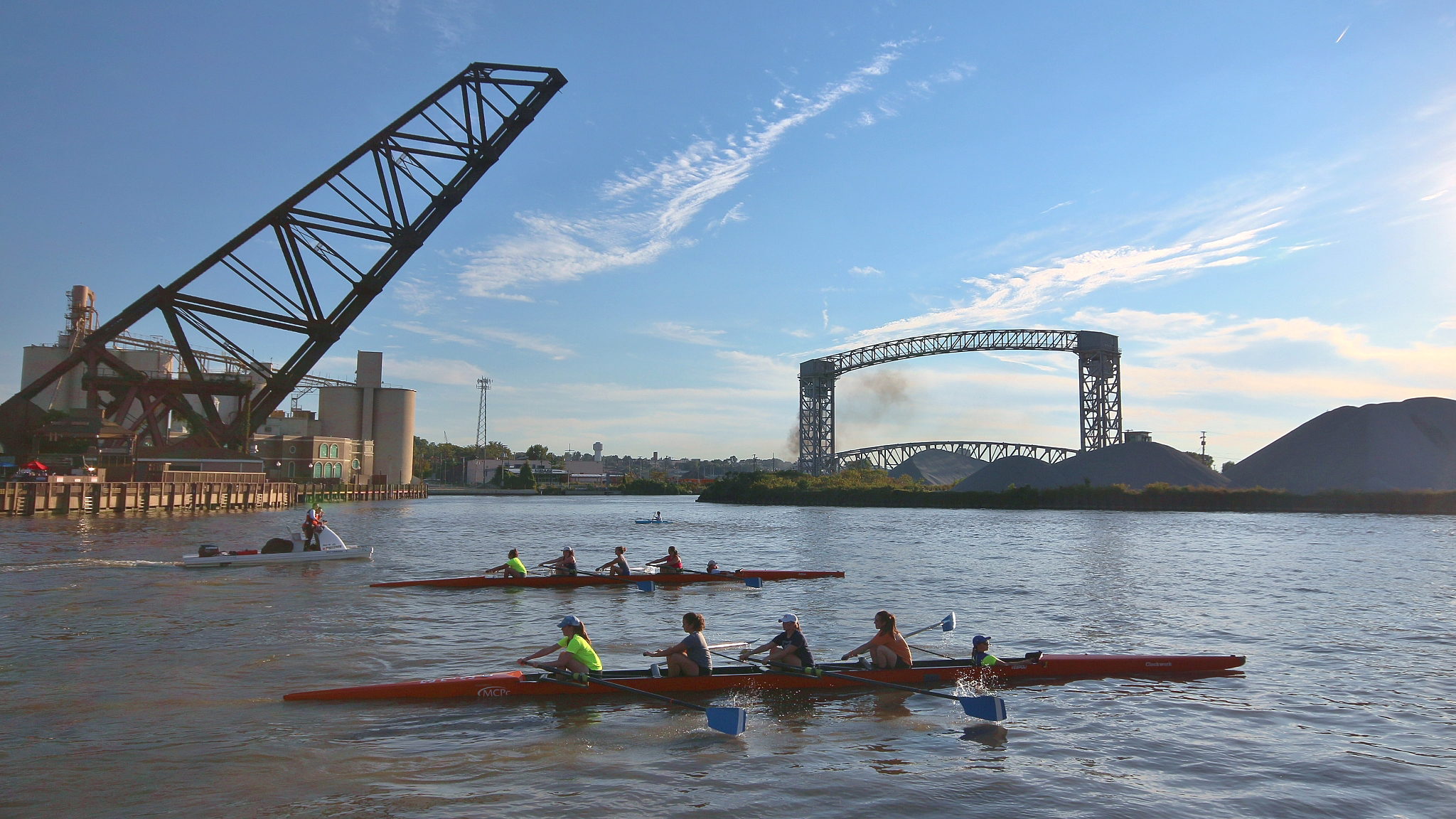
Historical data confirm that air and water quality in 1970 were significantly worse than in the early twentieth century; 1950s smog and burning rivers remain bleak milestones. A closer look, however, reveals that water quality was already improving in the 1960s. The percentage of fishable rivers in America rose from 60 percent in 1962 to 70 percent by 1970 —a trend that began well before National Geographic famously featured the Cuyahoga River fire. While air quality lagged, improvements began in major cities before the first Earth Day. Furthermore, global population growth rates peaked in 1963, five years before Garrett Hardin’s “Tragedy of the Commons“ warned that overpopulation could bring “ruin to all.”
Progress continued after 1970. By 2014, 85 percent of US rivers were fishable. Even more striking, sulfur dioxide emissions plummeted from thirty million tons annually in the 1960s to just two million today, alongside historic declines in carbon monoxide and particulates. Choking smog and burning rivers have receded into memory, as have dire warnings of mass starvation. Far from exploding, global population growth is now in rapid decline.
Forces for good
To what should we attribute these shifts? Traditional environmentalists credit federal mandates in the Clean Air (1970) and Clean Water (1972) Acts. Some point to China’s drastic “one-child policy.” But these explanations are incomplete; they overlook progress made prior to 1970 and ignore market forces more powerful than government mandates can summon.
Economic research suggests the recipe for environmental success requires only a few tablespoons of mandates mixed with several cups of market incentives and individual choice.
The evolution of the 1970 Clean Air Act (CAA) is a case in point. Because of lobbying pressure from industry, the act initially used command-and-control mandates to force new plants to install a particular abatement technology (smokestack scrubbers) rather than allowing them to reduce pollution through cheaper alternatives like burning low-sulfur coal. The requirement caused existing plants to delay upgrading and to forgo cleaner coal, thereby decreasing air quality in some locales. The 1990 amendments introduced market incentives by implementing emission standards, rather than specific technology requirements, and a cap-and-trade system. By giving power plants the flexibility to sell emission-reduction credits, the law incentivized companies to exceed standards using cheaper, innovative technologies.
Fueled by these market forces, the CAA has delivered benefits exceeding its regulatory costs since 1992. Unfortunately, the 1972 Clean Water Act (CWA) has yet to embrace similar market mechanisms. Consequently, while water quality has improved, the CWA’s regulatory costs are estimated to outweigh its overall public benefits.
Green growth
Beyond domestic regulation, international trade has also driven environmental improvements within the United States. Trade facilitated some compositional shifts in American manufacturing away from high-pollution sectors—think paper pulp and cement—toward “clean” industries like aerospace and health care. Research suggests this specialization was driven not simply by regulatory avoidance, but by the advanced nature of US rule of law. Global leadership in sophisticated, “clean” industries requires robust legal institutions to enforce contracts and protect intellectual property. Evidence indicates that countries with strong institutions, including the United States, convert this comparative advantage into environmental gains.
Critics often argue that the United States simply outsourced its pollution, but the data suggest otherwise. Since 1990, the pollution intensity of goods that higher-income countries, including the United States, have imported from lower-income countries has steadily fallen, implying our trading partners are cleaning up their own sectors. Free trade also helped the global environment by increasing labor opportunities for women in developing nations, thereby raising the “opportunity cost” of having children. Trade slowed population growth through economic opportunity rather than state-mandated family limits.
Market-driven technological advances also reduced pollution within US sectors traditionally labeled “dirty,” like energy. The fracking revolution is a literal ground-breaking example. By enabling US power plants to swap coal for cleaner natural gas, this shift has improved air quality enough to generate billions in health benefits and save thousands of lives since 2005. I suspect this innovation flourished in America, rather than abroad, because of our unique system of private property rights to underground resources; since landowners—rather than distant bureaucrats—collect the royalties, they had a financial incentive to embrace the technology.
Perhaps most significantly, economic growth has boosted household demand for a cleaner world. Free markets underpinned a tripling of US real per capita income since 1970. This prosperity allows households to shift spending toward quality-of-life amenities like clean watersheds once basic needs like food and energy are met. Private spending patterns reflect this shift with purchases of “green” products and charitable contributions to environmental causes rising with income. Consequently, the annual budgets of environmental organization have ballooned over time—the Nature Conservancy’s budget, for example, grew from negligible amounts in 1970 to over $1.8 billion today.
Incentives work for carbon, too
“Mercy, Mercy Me” was a visceral response to pollution Americans could literally see and taste. Decades later, we should celebrate our progress while recognizing that Earth Day attention has pivoted toward climate change. What does our history with air and water pollution teach us about carbon?
Plenty. Although carbon dioxide is an invisible and odorless gas, it is usually emitted alongside particulates that harm local health. Citizens in India, Bangladesh, and Pakistan—who suffer from the world’s worst air pollution—have strong local incentives to reduce carbon simply to improve the air they breathe. Markets encourage this by raising incomes and, subsequently, the global demand for clean air.
The final lesson from America’s history is also clear: carbon mitigation policies are likely to succeed only when they leverage market forces that incentivize innovation. Unfortunately, nearly all have missed that mark. A 2024 study of 1,500 climate policies across 41 countries found that only 63—a mere 4 percent—actually reduced emissions. Nearly all of these were market-based, meaning they priced carbon. While carbon pricing policies may still fail to generate public benefits greater than their costs, the findings confirm that market incentives are an essential ingredient for environmental change, whether global or local.
Without them, Gaye’s lament would remain our reality; thanks to them, things don’t have to stay the way they used to be.
Dominic Parker is the Ilene and Morton Harris Senior Fellow at the Hoover Institution and the Anderson-Bascom Professor of Applied Economics at the University of Wisconsin-Madison.