 Powered by
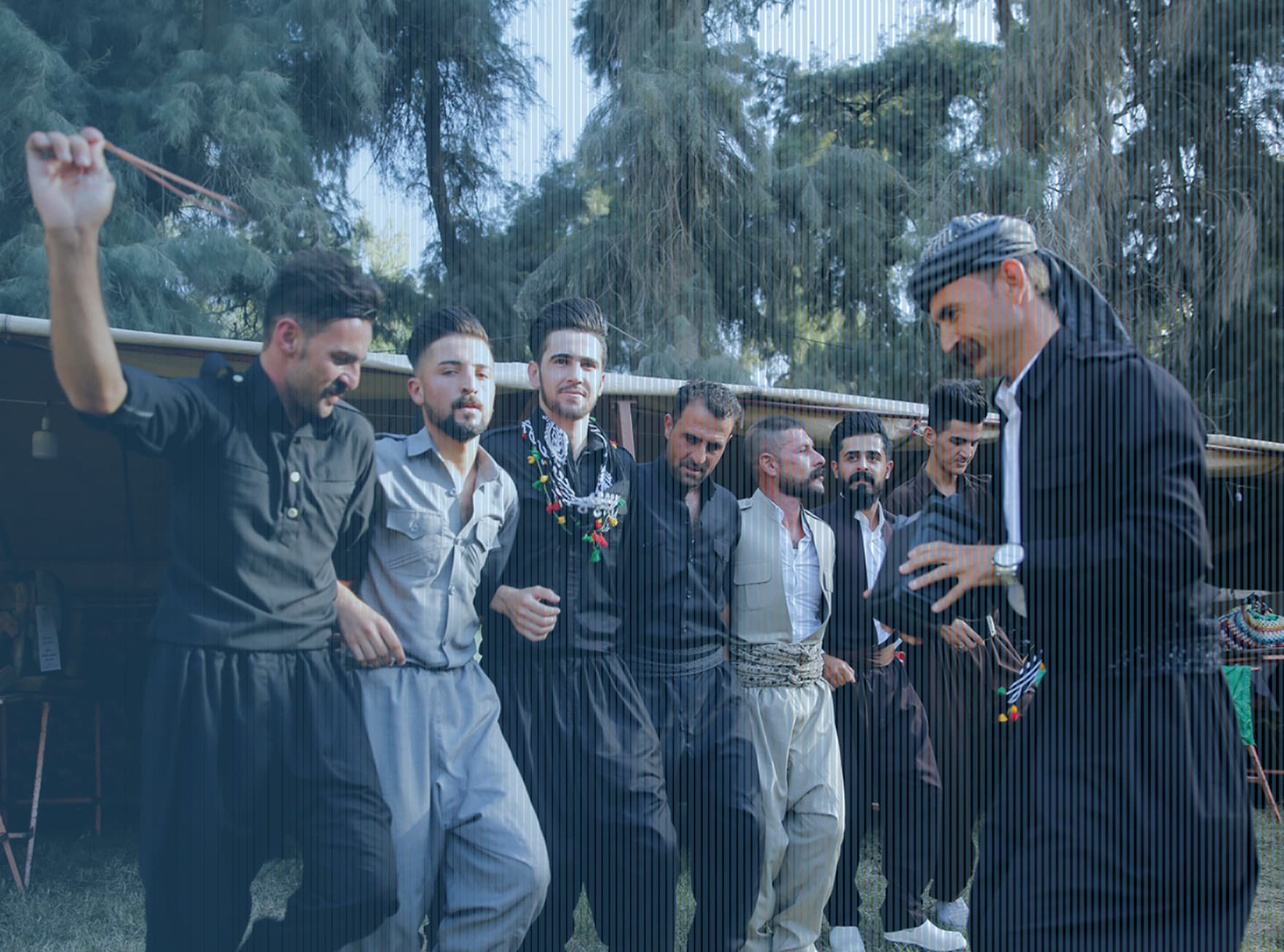
This article is part of Liberty Amplified, a series produced in partnership with the Hoover Institution’s Human Security Project and the Hoover Institution Library & Archives, featuring voices that challenge authoritarianism in pursuit of freedom.
During the COVID-19 pandemic, seven members of Farhad Rafaat Ali Al-Kake’s extended family were murdered in front of their own families in a Kakai village near Khanaqin, part of Iraq’s disputed territories. He said an Iraqi army unit sat unmoving just 800 meters away.
When the news reached him, Al-Kake set out to the village from Erbil, the capital of the semiautonomous Kurdistan region of Iraq. Pandemic checkpoints stretched the drive from four hours to more than ten. Investigators appeared roughly two hours after Al-Kake and promised an inquiry. Al-Kake had spent twenty-one years as a police officer himself and was unconvinced. “Come on,” he remembers telling them. “After twelve hours? I came from Erbil to Diyala, and you didn’t do anything!”
The massacre confirmed what years inside Iraq’s security institutions had already taught him. “I don’t think they care about the political minorities.”
How does this happen? How are seven people killed within sight of government soldiers who never leave their post?
The usual explanations for violence against Iraq’s minorities are sectarian hatred or the remnants of ISIS. Both are real, yet neither fully answers the question. In reality, responsibility belonged to everyone—and therefore to no one.
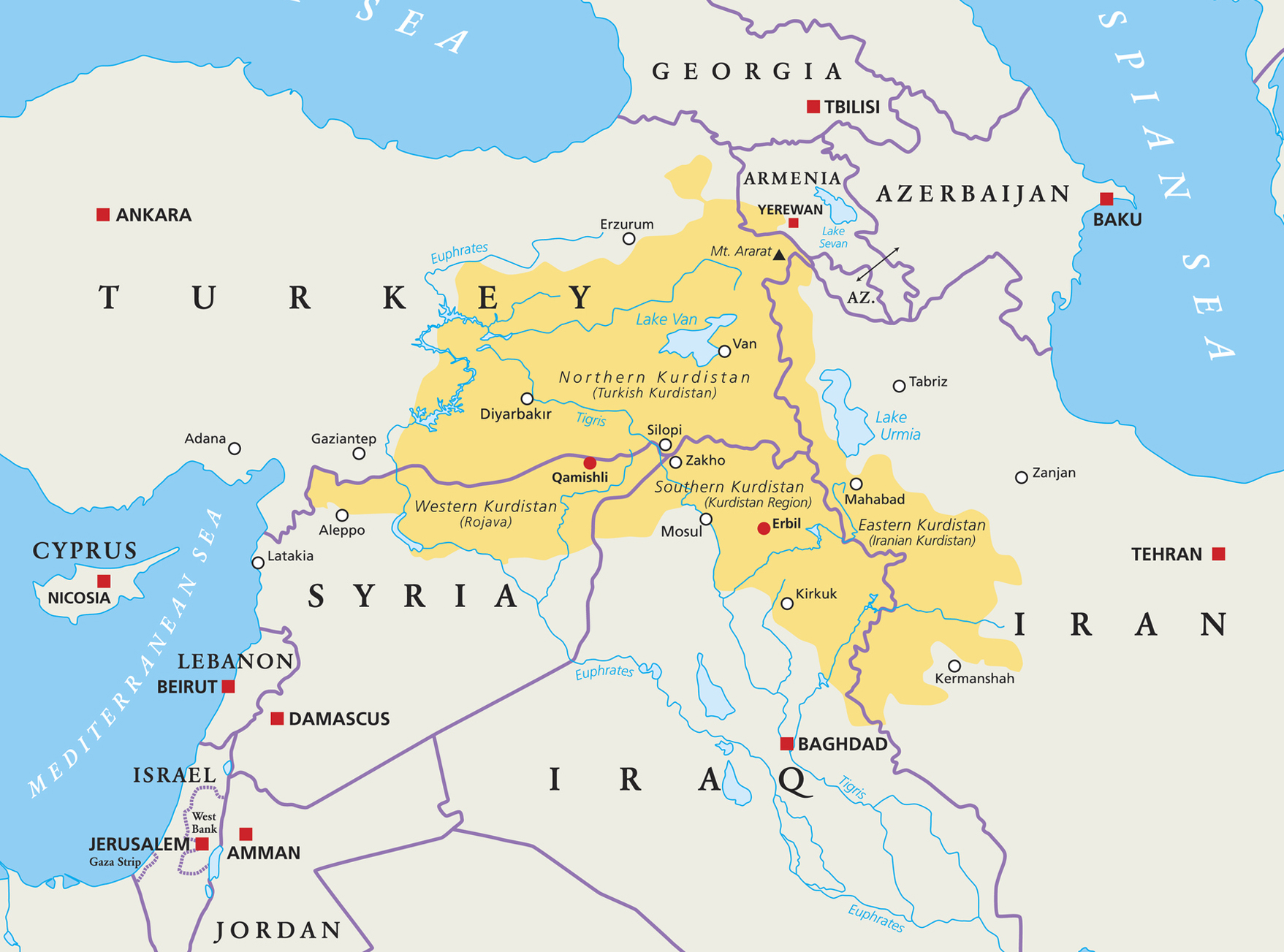
Khanaqin sits in a belt of territory stretching across Nineveh, Kirkuk, Diyala, and Salah al-Din provinces, claimed by both Baghdad and the Kurdistan Regional Government (KRG) but fully controlled by neither. Article 140 of Iraq’s constitution envisioned a process to resolve the competing claims. More than twenty years later, it remains unfinished. Security in the belt is divided among federal forces, Kurdish Peshmerga, local police, tribal groups, and the Popular Mobilization Forces, an umbrella organization that includes factions closely aligned with Iran.
Al-Kake describes the arrangement through a childhood game. “I throw the ball to you. You throw it back to me.”
Responsibility for protecting these communities is passed between Baghdad and Erbil while the villages caught in the middle bear the consequences.
Christians, Yazidis, Mandaeans, Shabak, and Kakai hold the least political and military power in the country, meaning they are the first to feel failing institutions, contested sovereignty, and deteriorating security. Their experience offers an early warning. Where the state governs, these communities survive. Where the communities vanish, state control has already given way. Minority protection is a litmus test of whether the state can govern its most contested ground.
Al-Kake has watched this firsthand; after ISIS was driven from northern Iraq, he traveled with researcher Maria Rita Corticelli to Kakai villages near Mosul to document the destruction the Islamist group left behind. Displaced families came home to houses rigged with explosives. More than ten people were killed entering their own front doors. Two Kakai who spoke publicly about their community to the BBC World Service were later murdered by ISIS. Islamic State no longer controls territory, but it survives in the seams between competing authorities, and the seams run directly through minority land. The same vacuum sustains the Iranian-backed militias expanding their reach. Where the state retreats, others move in.
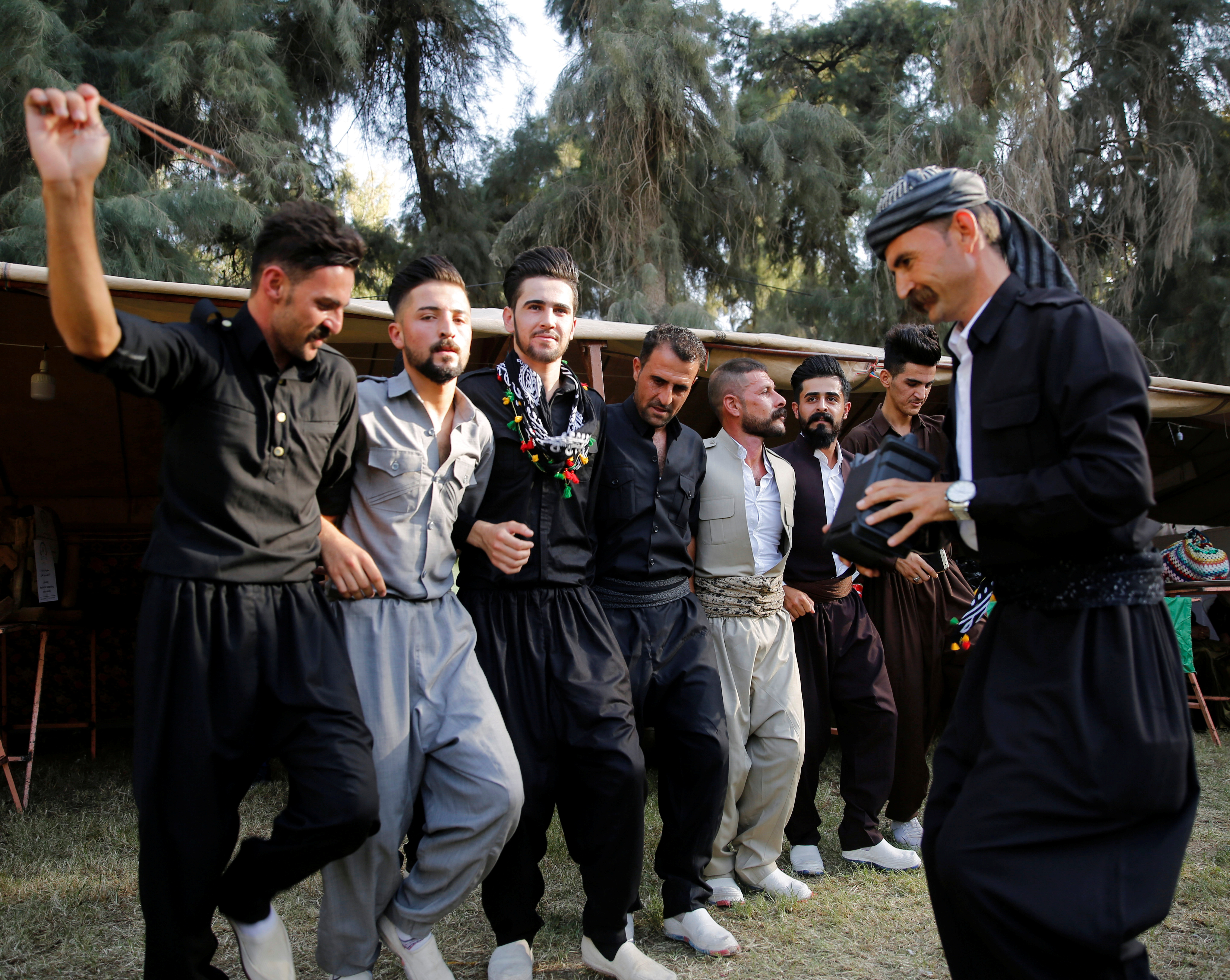
The Kakai are the Iraqi branch of the Yarsan faith, whose sacred poetry is written in Kurdish and whose followers believe in one God and the reincarnation of souls. Al-Kake puts their numbers at roughly 200,000 in Iraq, with a far larger Yarsani population across the border in Iran. Their experience spans three governments, making them an unusual window into how institutions shape religious freedom.
In Iraq’s disputed territories, overlapping authorities leave minority communities exposed when violence comes. For Al-Kake, that reality was measured in twelve hours: the time between the murders and the state’s response.
The semiautonomous Kurdistan Region has formally recognized the Kakai as a distinct religious community alongside Christians, Yazidis, and Mandaeans. Temples and shrines operate openly, and minorities enjoy greater political representation and religious freedom than in the disputed territories. The region is hardly free of political division or security challenges, but it has made a deliberate effort to accommodate religious diversity rather than merely tolerate it.
Corticelli reached a similar conclusion while teaching in Erbil, where Muslim, Christian, Yazidi, and Mandaean students shared classrooms. Coexistence, she argues, is not an accident of culture. It is the product of institutions that push different communities to live, and learn, together.
Across the border in Iran, the problem is almost the opposite. Most of the world’s Yarsanis, members of the Iranian branch of the faith, live under a state with far greater institutional capacity than Iraq’s. Yet that capacity turns individuals toward assimilation rather than religious pluralism. Many Yarsanis publicly identify as Shi’a Muslims to escape discrimination or to reach opportunities otherwise closed off.
Iraq’s weakness leaves minorities exposed to violence. Iran’s strength presses them toward invisibility.
Al-Kake believes Iraq’s minorities have made the same mistake for decades: trying to survive alone. Christians, Yazidis, Kakai, Mandaeans, and other communities each hold small parliamentary quotas and advocate largely for their own interests. Separately, they have little leverage. Together, he argues, they could become a constituency large enough to shape public debate and demand protection.
Experience in other countries suggests the idea is not merely theoretical. In Malaysia, Buddhist, Christian, Hindu, Sikh, and later Taoist organizations formed a joint consultative council in 1983 to present a common position on issues ranging from religious conversion to temple demolitions. The council did not eliminate religious tensions, but it gave communities that often disagreed among themselves a durable institution through which they could speak collectively.
Iraq would benefit from something similar. Defeating terrorist organizations and rebuilding villages matter, but neither is a substitute for institutions that allow vulnerable communities to act together and press the state to govern its most contested territory.
Iran presents a more difficult challenge. Coordination assumes some political space in which to organize, and Iran’s Yarsanis possess almost none. When tensions recently escalated between Iran and the United States, Al-Kake advised them to avoid politics altogether. “If you participated in any type of activity,” he warned, “surely you will be disappeared.” His warning has precedent. Kurdish musician Saman Yasin was arrested after supporting the 2022 Mahsa Amini protests, charged with “enmity against God,” initially sentenced to death, and subjected to torture and a mock execution in Evin Prison before Iran’s supreme court overturned his sentence.
Yet avoiding politics does not necessarily mean abandoning coordination. Iran’s Bahá’í community offers one example. After the 1979 revolution, Bahá’ís were barred from universities. But the community built its own educational network, operating through correspondence courses, private homes, and volunteer instructors. It documented abuses, relied on diaspora organizations to speak publicly, and preserved institutions the state could not completely dismantle. The strategy won neither recognition nor political power, but it bought something perhaps more fundamental: continuity.
The Yarsanis possess many of the same resources. Their traditions, sacred music, and transnational ties link communities on both sides of the Iraq-Iran border. Iraqi Kakai, who enjoy far greater freedom to organize and speak publicly, may be able to preserve and advocate for a heritage that their relatives inside Iran cannot safely defend. In authoritarian systems, coordination is measured less by protests than by whether a community can preserve its identity until political space eventually returns.
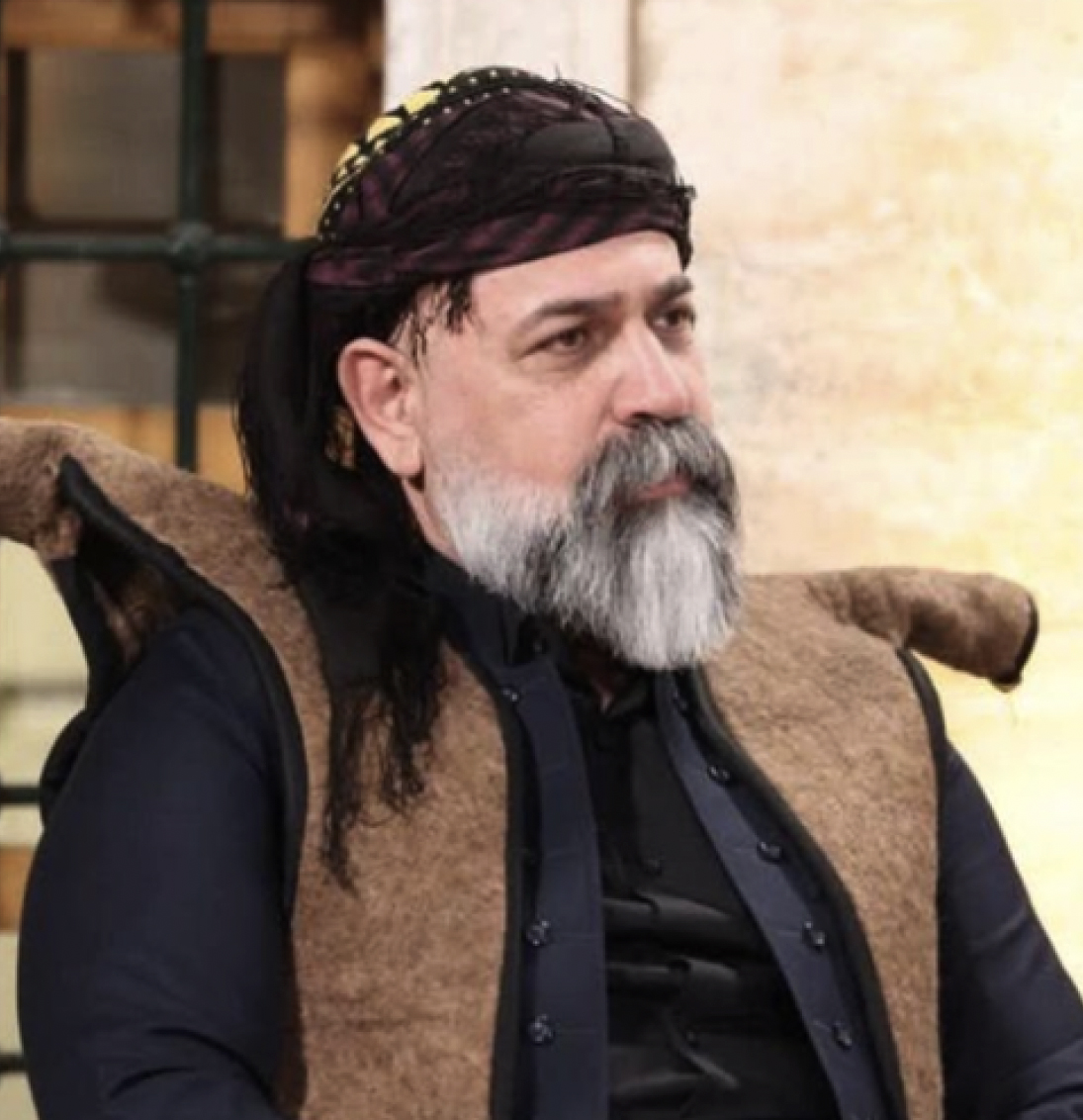
Al-Kake knows none of this will come quickly. He measures the future in generations, twenty-five or thirty years, the time it takes to raise children under different teaching. So, he keeps documenting.
In 2016 he founded Chraw, an organization that records attacks against the Kakai and advocates for Iraq’s religious minorities, preserving villages in the archive before they disappear from memory. When the BBC World Service produced a program about Kakai music, the story was framed around genocide. Al-Kake hopes one day that won’t be necessary. His measure of success is not political office or another law passed in Baghdad. It is something much smaller—and much harder to achieve.
“Hopefully,” he says, “we’ll have a song.”
Levi Schiffer is a Stanford University student pursuing a BA in international relations with a minor in Middle Eastern languages, literatures, and cultures. He is interested in the intersection of technology, culture, and national security.
Liberty Amplified features the voices of those who defy autocracy in pursuit of freedom. It is produced in partnership with the Hoover Institution’s Human Security Project and the Hoover Institution Library & Archives.