 Powered by

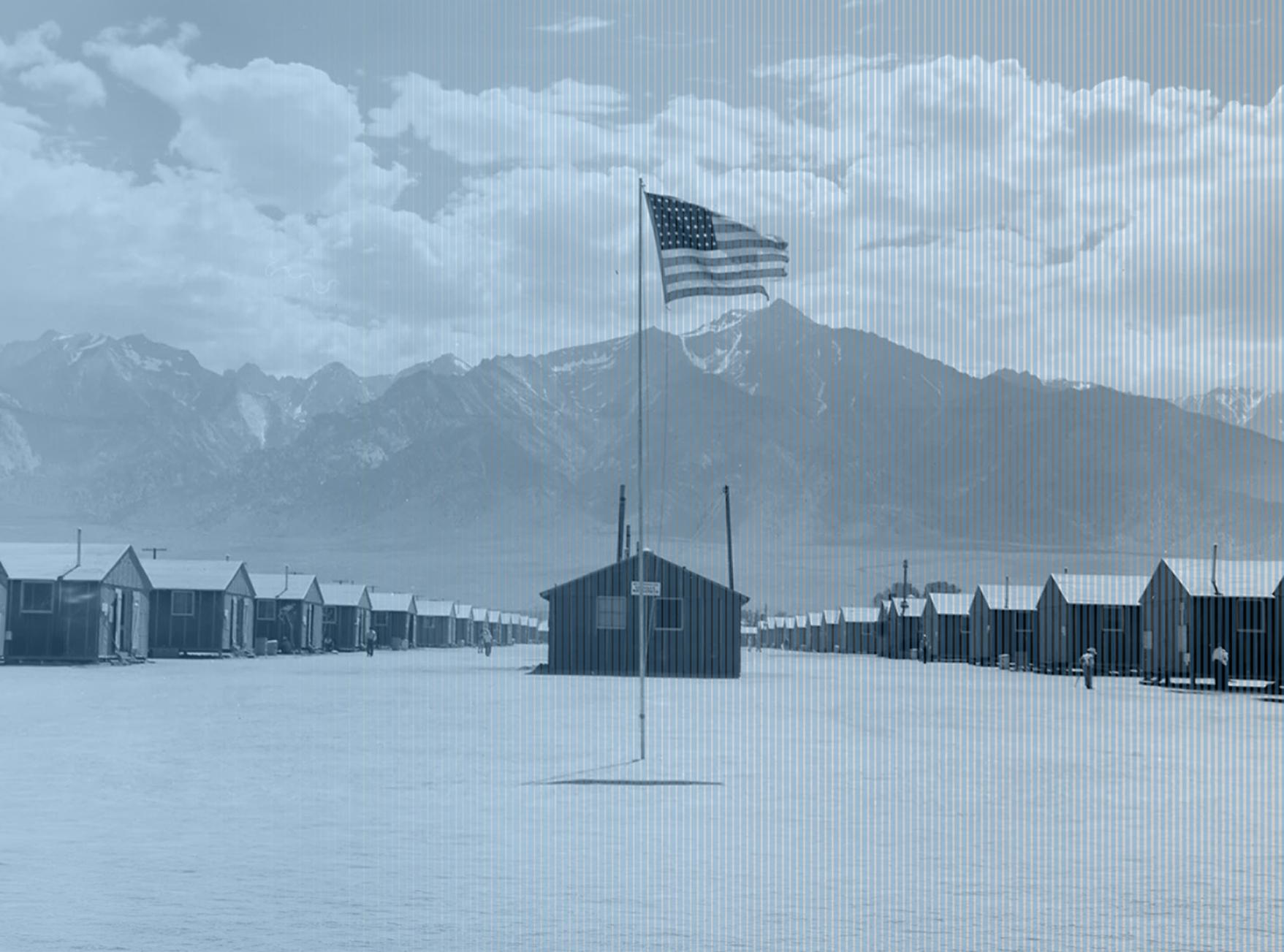
This article focuses on Choosing Freedom, an exhibition that presents personal stories of those who fled twentieth-century authoritarian regimes, drawn from the Hoover Institution Library & Archives. The exhibition features testimonies, artifacts, photographs, and personal accounts documenting the pursuit of liberty against systematic oppression. It is on view through May 9, 2027, in the Lou Henry Hoover Gallery at Hoover Tower, Stanford University. Learn more or explore the online exhibition. Liberty Amplified is produced in partnership with the Hoover Institution’s Human Security Project and the Hoover Institution Library & Archives, featuring voices that challenge authoritarianism in pursuit of freedom. —Eric Wakin, Everett and Jane Hauck Director, Hoover Institution Library & Archives
In the late nineteenth century, Japan underwent a dramatic transformation. The Meiji government set out to modernize the nation by adopting Western technologies, from railways to the printing press. It moved just as quickly, however, to suppress the very freedoms those tools could carry. Newspapers had become a powerful force for shaping public opinion, and Japan’s presses operated under rigid censorship. Publications that criticized the government or the ruling oligarchs were swiftly banned.
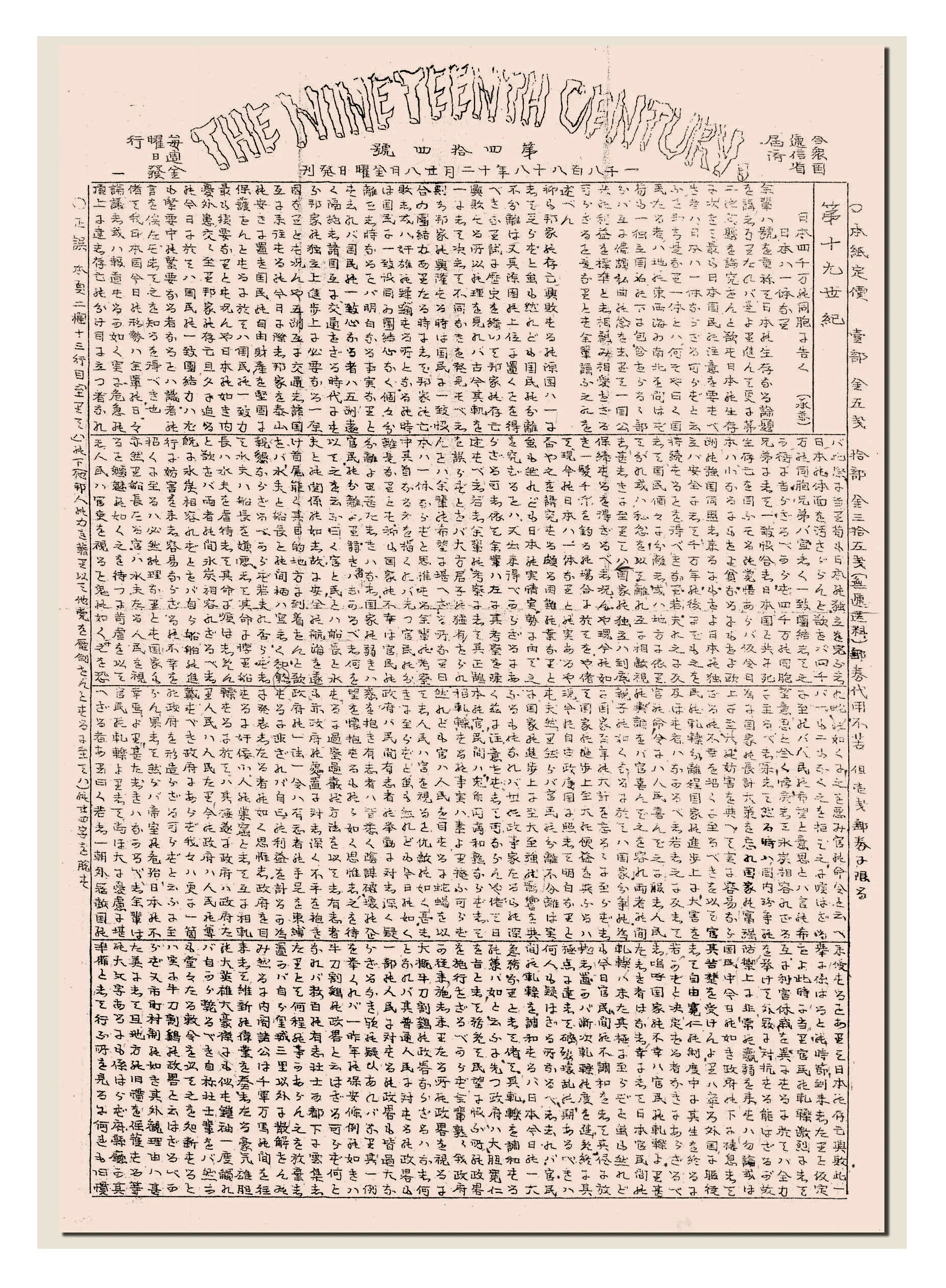
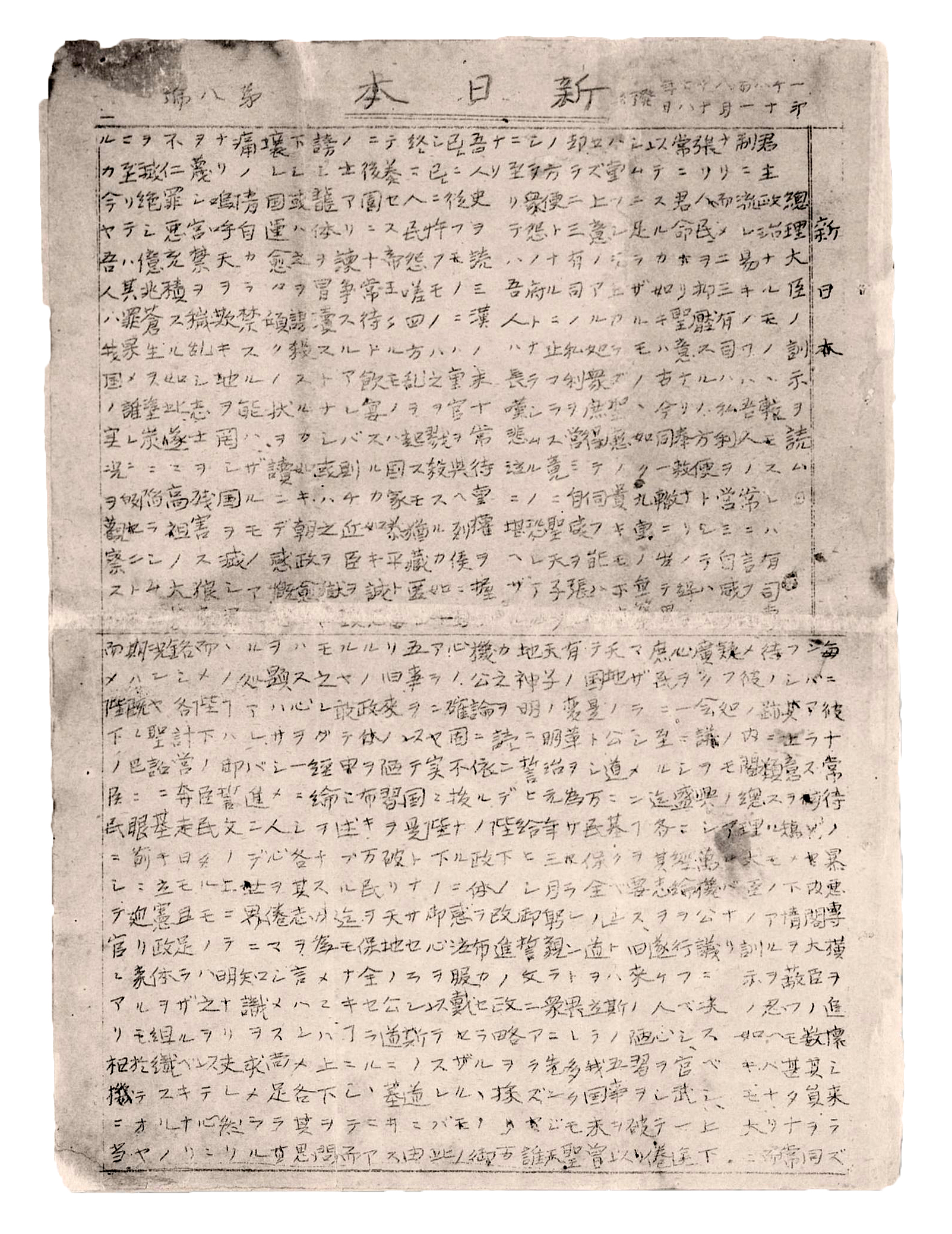
Activists of the Freedom and People’s Rights Movement refused to be silenced. If they could not publish at home, they would publish abroad. In the United States, they found constitutional protections for freedom of speech and the space to print their ideas. In the San Francisco Bay Area, exiled activists launched a series of newspapers: Shin Nippon (New Japan), Aikoku (Patriotism), Liberty, and The Nineteenth Century. Copies were smuggled back across the Pacific, sustaining a cycle of democratic resistance despite constant government bans.
Analects, a dictionary, and a California dream
Among these exiles was Korei Ishizuka (Kohreki “Pepe” Ishisaka), who arrived in San Francisco in 1886 with Fusatarō Takano, later celebrated as a pioneer of Japan’s labor movement. Ishizuka carried little more than The Analects of Confucius and a dictionary.
The following year, he helped establish Shin Nippon in Oakland. Japanese authorities responded by convicting him in absentia. He was pardoned with the proclamation of the 1889 Constitution, but his struggles with censorship and financial hardship persisted.
Ishizuka eventually led fifty settlers to farm in Walnut Grove, California. He had traded the printing press for the plow, but he could not escape the reach of state power, even in America.
Freedom denied
Despite his lifelong advocacy for liberty, Ishizuka was incarcerated at the Manzanar camp during World War II because of his Japanese ancestry. He died there in 1944.
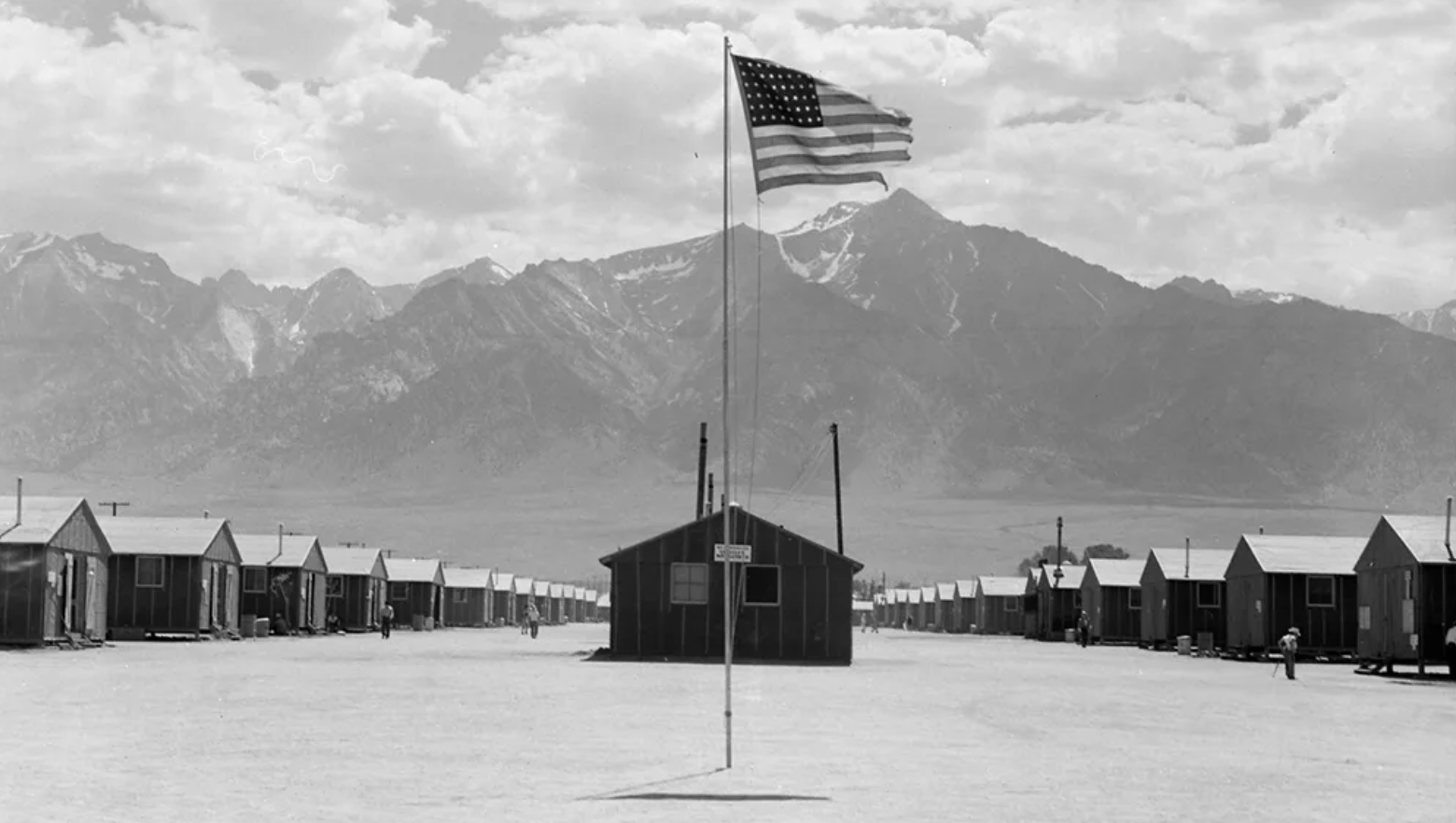
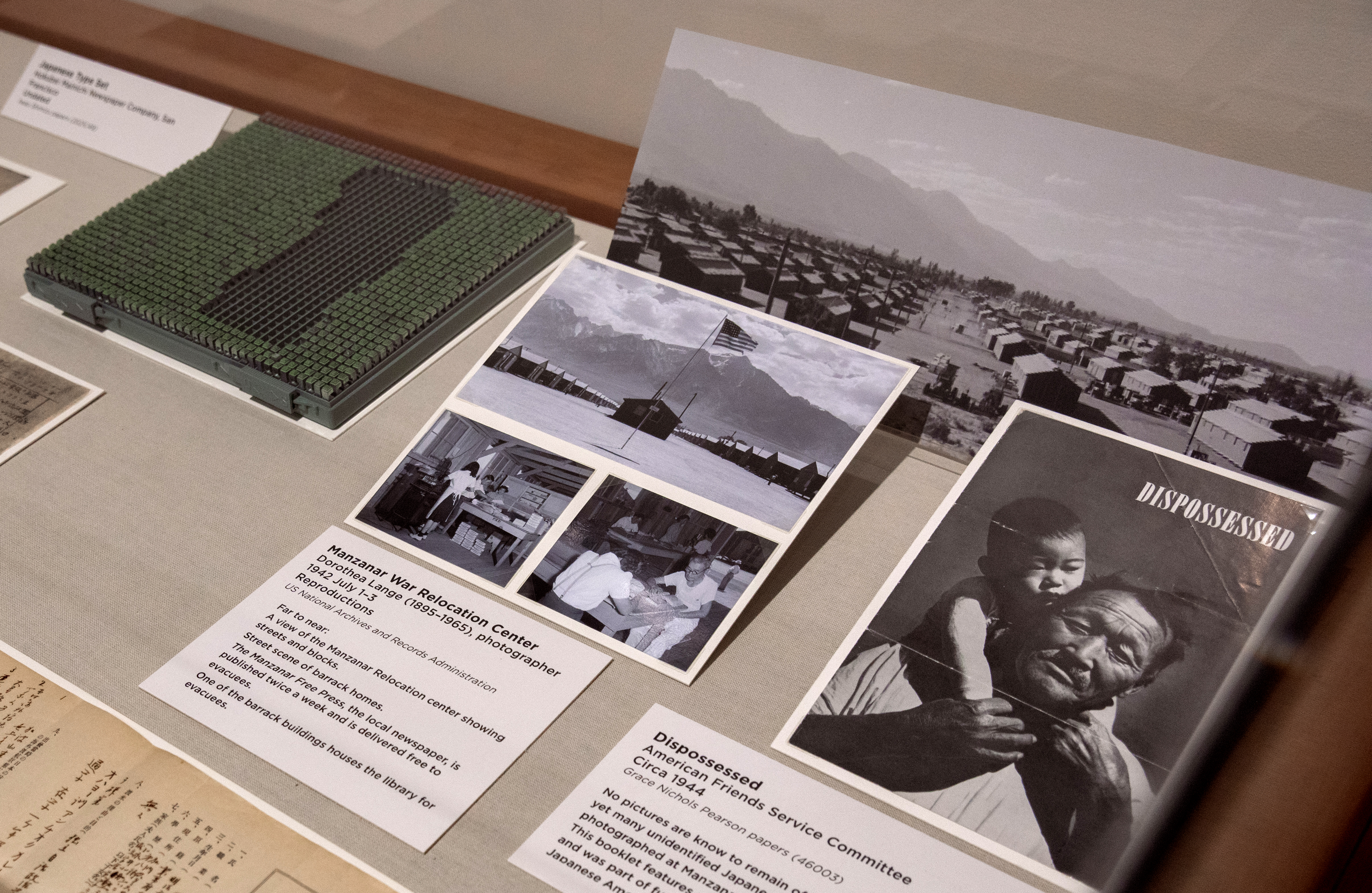
No photographs are known to remain of Kohreki Ishizuka, yet many unidentified Japanese Americans were photographed at Manzanar by Dorothea Lange in 1942. This booklet features a grandfather and child on the cover and was part of fundraising efforts to aid incarcerated Japanese Americans.
Unfulfilled promises
Ishizuka’s life bridged two nations and two unfinished promises. In Japan, he was punished for the ideas he printed. In America, he found the press freedom that Japan denied him, only to be imprisoned because of his ancestry. His story embodies the fraught, trans-Pacific struggle for freedom of speech: a freedom that had to be carried across an ocean, defended in two countries, and, in the end, still fell short of the people who believed in it most.
Yet the numbers show where most Japanese Americans placed their trust. Of roughly 120,000 people incarcerated, the great majority never left the United States. After losing their homes, businesses, and years of their lives, the great majority still chose to stake their futures on the United States.
The censored publications included in this exhibition weren’t just acts of defiance; they were voices that refused to be silenced. When speech becomes dangerous, it becomes essential.
Kaora (Kay) Ueda is a research fellow and the curator of the Japanese Diaspora Collections at the Hoover Institution Library & Archives. She holds a BA from Kwansei Gakuin University, an MBA from the University of Chicago, and a PhD from Boston University, and has unique experience both in business and academic worlds. At Hoover, her bilingual and intercultural capacities have helped create the Hoji Shinbun Digital Collection, the world’s largest open-access full-image digital collection of Japanese newspapers published overseas. She also manages the Japanese Diaspora Initiative, endowed by an anonymous gift to promote the study of overseas Japanese history during the Empire of Japan period.
Liberty Amplified features the voices of those who defy autocracy in pursuit of freedom. It is produced in partnership with the Hoover Institution’s Human Security Project and the Hoover Institution Library & Archives.