 Powered by
In contemporary American discourse about racial inequality, the phrase respectability politics has become almost entirely pejorative. Among many progressive intellectuals, the term functions less as a description than as a rebuke. It is invoked to criticize those who emphasize behavioral norms—self-discipline, sobriety, industriousness, family responsibility—as relevant to the political fortunes of Black Americans. To speak approvingly of respectability, one is warned, is to blame the victim, to validate racist stereotypes, or to demand conformity to standards imposed by a dominant white society.
This critique contains an important insight. Respectability can indeed be deployed unjustly. Throughout American history, Black citizens have often been required to meet standards of conduct far more exacting than those applied to others. Appeals to “good behavior” have sometimes served as excuses for ignoring injustice.
Yet the contemporary rejection of respectability has gone too far. In the eagerness to avoid victim-blaming, many commentators have come to treat the cultivation of good character and honorable conduct as if they were politically irrelevant—or even morally suspect. In my judgment, this reaction reflects a profound misunderstanding of how societies actually function.
For minority populations in a democratic polity, the cultivation of respectability—understood properly—is not capitulation. It is prudence. And prudence, when joined to moral seriousness, can be a form of political wisdom.
The informal social economy
Much of my own work has emphasized what might be called the moral ecology of social life. Societies are not sustained by laws alone. They depend upon a web of informal expectations—approval and disapproval, honor and disgrace, trust and suspicion—that shape how individuals behave toward one another.
These forces constitute what might be described as an informal social economy. Just as markets allocate resources through prices, communities allocate esteem through reputations. A person who is widely regarded as reliable, disciplined, and trustworthy finds doors open. One who is perceived as irresponsible or disorderly encounters suspicion.
These judgments are not always fair. They may reflect prejudice or incomplete information. But they nevertheless exert a powerful influence over social life. The point is not that reputational judgments are morally perfect. The point is that they are unavoidable—and that they affect political and economic outcomes.
For minority populations seeking full participation in a democratic society, this reality cannot be ignored. Political equality ultimately rests on persuasion, coalition-building, and the willingness of others to extend trust.
When a population becomes widely perceived—fairly or unfairly—as disorderly or irresponsible, its political position weakens.
There is another way to see this problem, one that economists will immediately recognize. The reputation of an identifiable minority group functions very much like a public good. The standing of “Black Americans” in the eyes of the wider society is not owned by any single individual; it is a collective asset shared by millions of people who may never meet one another. Like clean air or national defense, it is something from which all members benefit whether or not they personally contributed to producing it.
This has an important implication. When an individual behaves in ways that reinforce negative stereotypes—through lawlessness, irresponsibility, or public disorder—he does not merely diminish his own standing. He imposes reputational costs on others who share his group identity. Employers deciding whom to hire, neighbors deciding whom to trust, police officers deciding whom to regard with suspicion, and voters deciding what policies to support do not encounter us as purely abstract individuals. They inevitably operate with general expectations shaped by what they believe about the group as a whole.
In the language of economics, such conduct generates negative externalities for other members of the group. The benefits of impulsive or irresponsible behavior are privately enjoyed, but the reputational costs are widely shared. This creates a classic problem of collective action. Individuals have little immediate incentive to internalize the broader social costs of their behavior. Yet when many individuals act in this way, the group’s collective standing deteriorates.
Historically, communities have addressed precisely this problem through moral norms. Appeals to honor, shame, dignity, and responsibility function as informal regulatory mechanisms encouraging individuals to take account of the reputational consequences of their actions. What critics today deride as “respectability politics” can therefore be understood as a practical effort to solve a very real social dilemma: how to sustain a collective reputation that benefits everyone while restraining behaviors that impose costs on the group as a whole.
Seen in this light, respectability is not merely a matter of etiquette or conformity. It is part of the moral infrastructure through which communities govern themselves. Without such norms, the informal social economy that sustains trust and cooperation becomes fragile. This is not an endorsement of prejudice. It is a recognition of the world as it is.
Shame, honor, and social order
Modern liberal discourse often expresses discomfort with concepts like shame and honor. These ideas are sometimes dismissed as remnants of a hierarchical past. Yet any functioning society relies on precisely such mechanisms.
Communities regulate themselves through informal sanctions. Parents express disappointment when children violate expectations. Neighbors withdraw esteem from those who behave dishonorably. Friends signal disapproval when someone acts irresponsibly.
Shame, dishonor, and public condemnation are tools through which societies govern what might be called the social commons—the shared space of everyday life where norms are enforced informally. Without such mechanisms, social order deteriorates.
Economists typically emphasize formal incentives created by laws and markets. But the functioning of complex societies also depends on internalized norms of restraint. When individuals regulate their own behavior—when they exercise self-command—society can operate with less coercion.
For minority populations facing economic and political vulnerability, these internal regulatory mechanisms become especially important. Communities that maintain strong norms of discipline and responsibility possess a form of social capital. They demonstrate the capacity to govern themselves. This insight lies at the heart of the tradition of Black respectability politics.
Self-command and civilization
The economist Thomas Schelling offered a powerful way to think about these matters. In his writings on what he called self-command, Schelling observed that human beings are divided creatures. We harbor impulses that may undermine our long-term interests. Civilization therefore depends upon mechanisms through which individuals restrain their destructive desires.
People construct devices—habits, commitments, social norms—to discipline themselves. Societies do the same.
From this perspective, respectability can be understood as a collective form of self-command. It is a set of norms encouraging individuals to conduct themselves in ways that sustain trust, cooperation, and social stability.
Consider the basic institutions of social life: stable families, dependable work habits, respect for property, and the peaceful resolution of disputes. These are not merely private virtues. They are the behavioral infrastructure of a functioning society. When such norms weaken, the consequences become visible. Disorder invites suspicion. Suspicion reinforces stereotypes. Stereotypes erode trust. The resulting cycle can trap communities in patterns of disadvantage. Ignoring this dynamic does not eliminate it.
Washington and Du Bois: a deeper convergence
The tradition of Black respectability politics is often associated with Booker T. Washington, whose emphasis on industry, thrift, and vocational advancement has long been interpreted as accommodationist. His critics, most famously W. E. B. Du Bois, accused him of urging Black Americans to accept second-class citizenship.
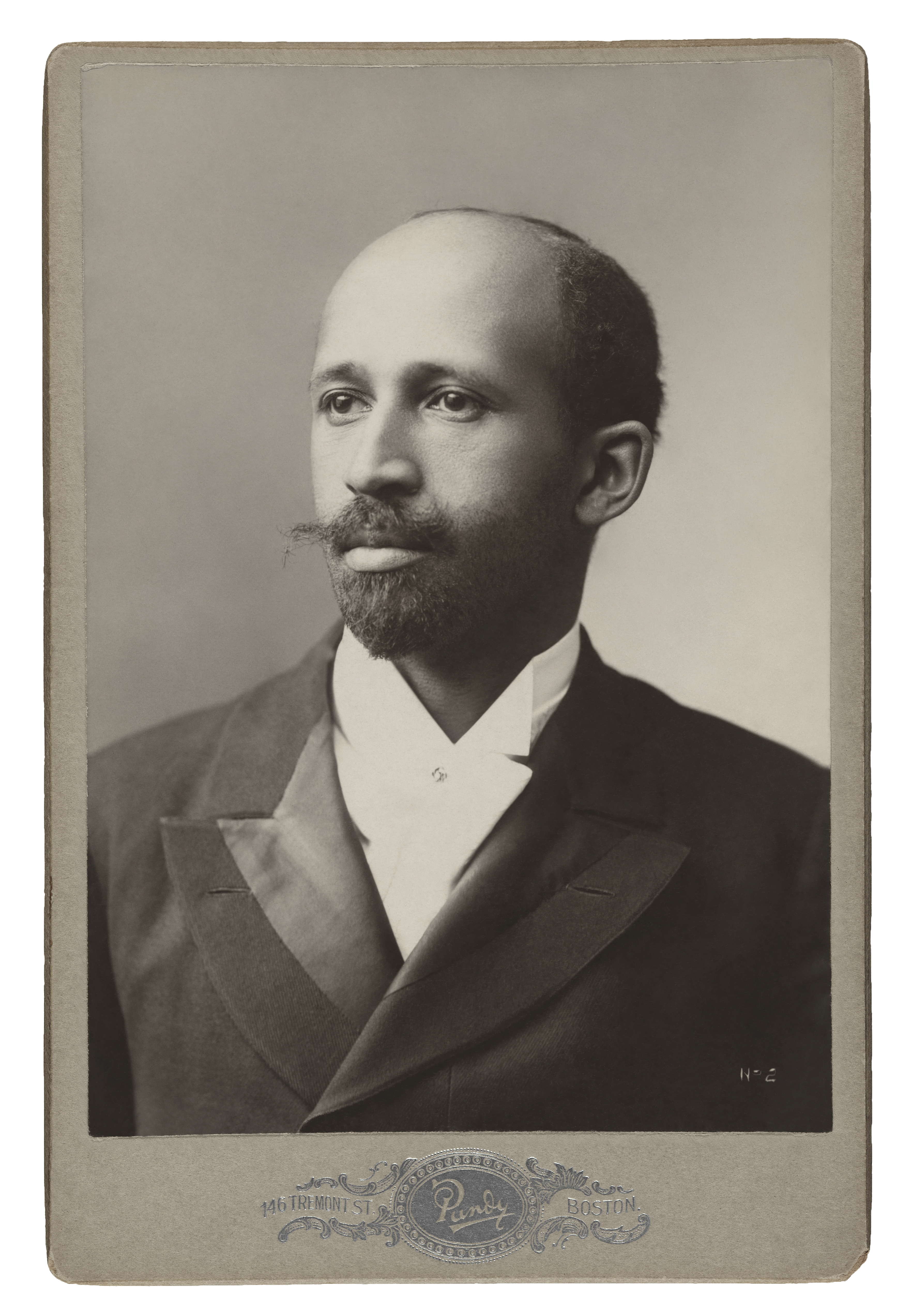
The standard narrative therefore casts Washington and Du Bois as intellectual opposites.
But this interpretation overlooks a deeper convergence between the two men. Both believed that the internal moral development of Black Americans was essential to the struggle for equality.
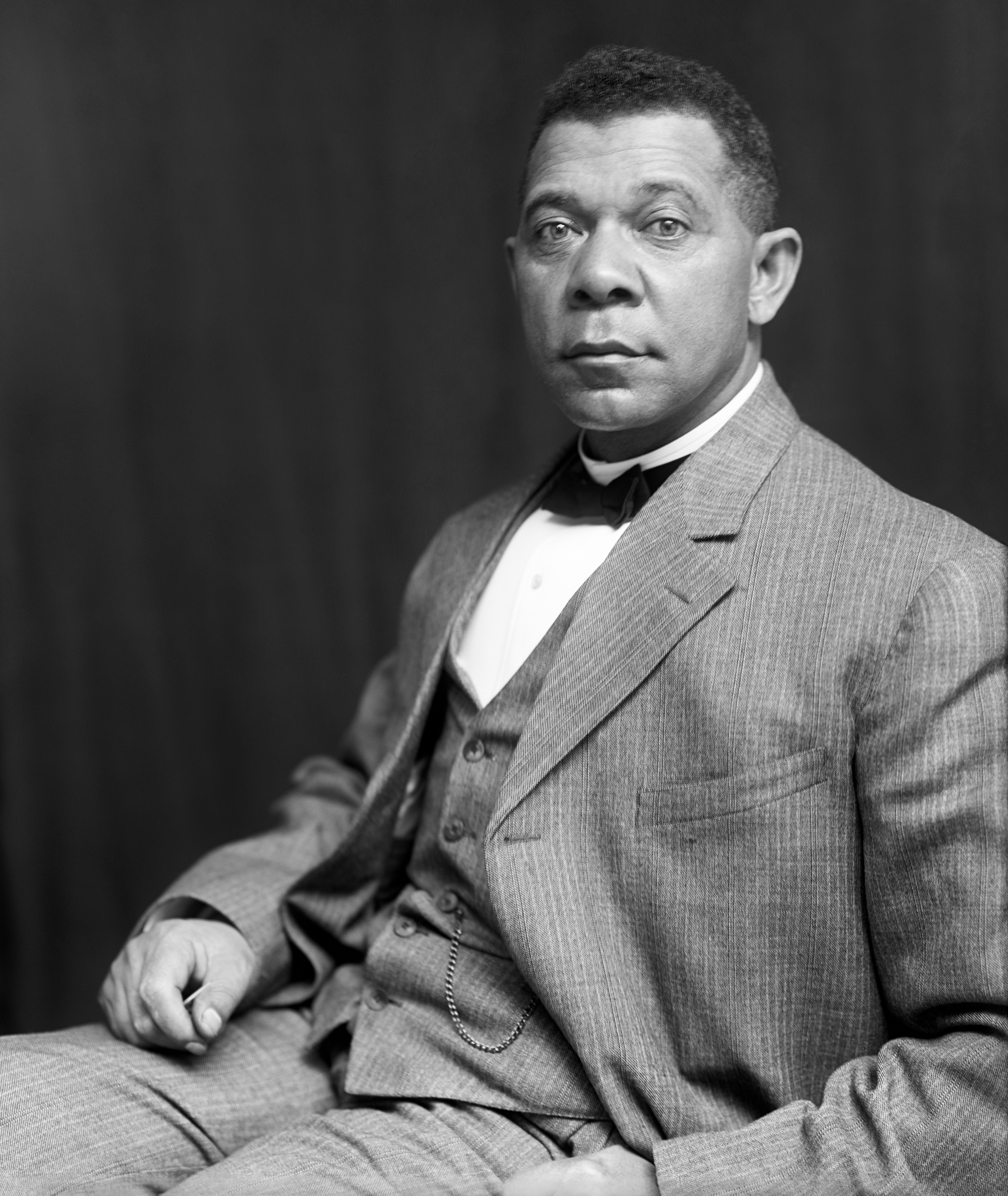
Washington articulated this conviction through a program of self-help. He urged freedmen and their descendants to cultivate habits of discipline and reliability that would command respect in the broader society. Economic independence and personal responsibility, he believed, would gradually undermine racial prejudice.
Du Bois rejected Washington’s political accommodationism, but he did not reject the importance of moral cultivation. His concept of the Talented Tenth rested on the belief that an educated Black leadership class would model intellectual seriousness and civic virtue for the broader community.
In other words, Du Bois did not repudiate respectability. He elevated it.
Where Washington emphasized bourgeois virtues—industry, sobriety, economic self-sufficiency—Du Bois emphasized intellectual refinement and civic leadership. Yet both men assumed that racial advancement required the demonstration of capacities that would command esteem: discipline, seriousness, responsibility.
Neither believed that equality could be secured solely by denouncing white prejudice.
Their disagreement concerned strategy, not the underlying premise that character mattered.
The civil rights movement and moral theater
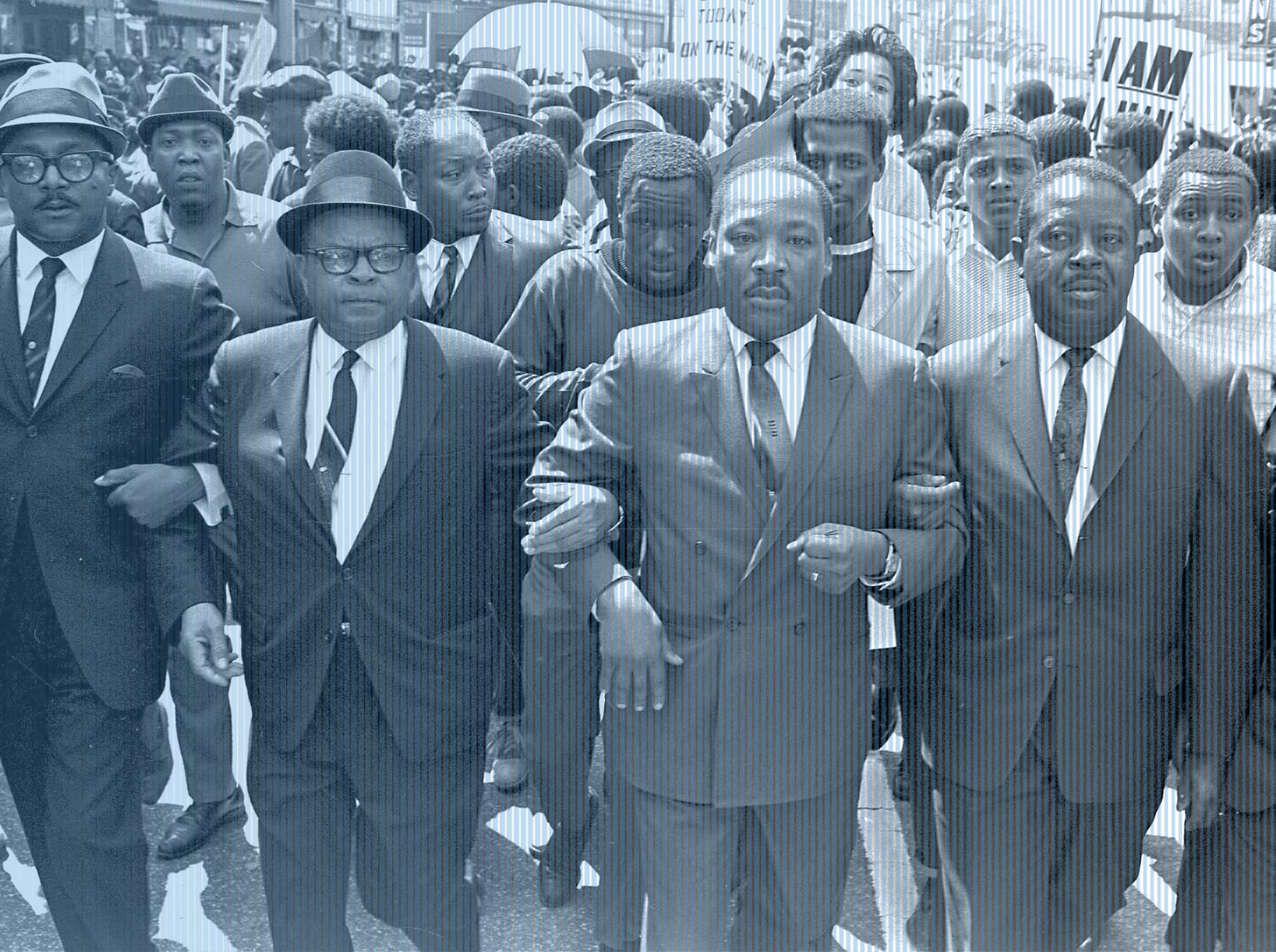
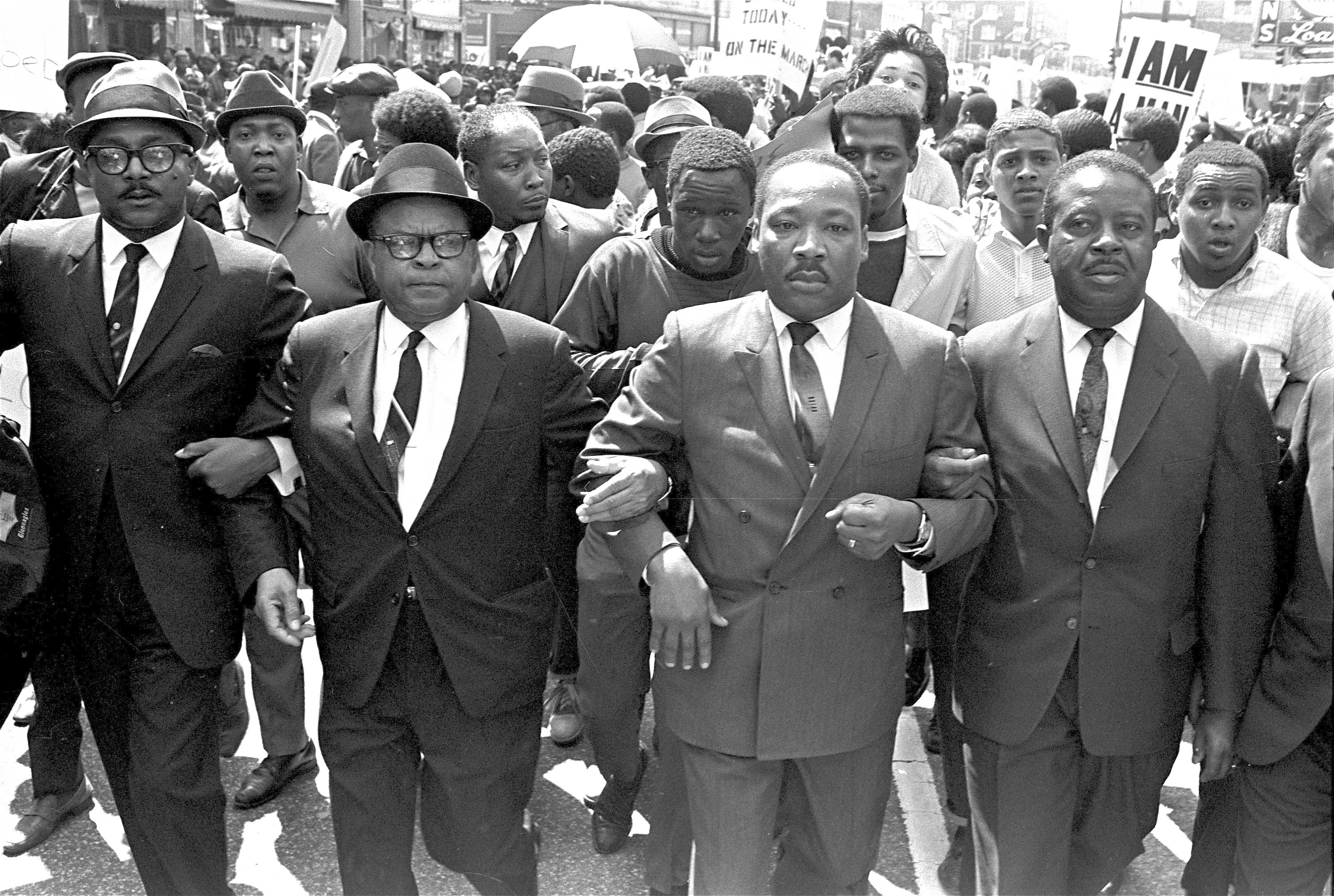
This tradition continued into the twentieth-century civil rights movement. The movement led by Martin Luther King Jr. consciously deployed respectability as a form of moral theater.
Protesters dressed formally. Demonstrations were conducted with strict nonviolent discipline. Activists responded to brutality with composure.
This was not mere symbolism. It was strategic. The contrast between dignified protesters and violent segregationists dramatized the injustice of Jim Crow. Respectability strengthened the moral authority of the movement.
King understood that public opinion was shaped not only by legal arguments but also by moral impressions. By demonstrating self-command under provocation, civil rights activists exposed the cruelty of the system they opposed.
Respectability, in this context, was not submission. It was a weapon.
George Floyd and the inversion of respectability
Seen against this historical background, the national response to the death of George Floyd revealed a striking shift in the moral politics of race. Floyd’s killing by a Minneapolis police officer in 2020 was plainly a moral outrage. The widely circulated video showing an officer kneeling on Floyd’s neck for more than nine minutes shocked the conscience of the nation. The demand for accountability was justified.
Yet the cultural response quickly moved beyond protest against injustice. Floyd was elevated into a symbol of racial martyrdom. His funeral was nationally televised. Political leaders delivered eulogies. The procession included the solemn imagery of a horse-drawn caisson, a ceremonial honor traditionally reserved for figures of national stature. The symbolism was unmistakable: Floyd was being memorialized as a representative victim of American racism.
But Floyd himself was not a figure whose life exemplified the ideals of discipline and self-command that earlier generations of Black leadership had sought to elevate. His personal history was troubled. Acknowledging this fact does not diminish the injustice of his death. The state has no license to kill citizens extrajudicially, regardless of their past mistakes. But the cultural choice to elevate Floyd as a national icon raises an uncomfortable question: why was this particular figure chosen as the face of racial injustice?
Earlier traditions of Black leadership emphasized exemplary figures—individuals whose lives embodied virtues worthy of emulation. The public elevation of such figures served both moral and strategic purposes. They demonstrated the capacity of Black Americans to participate fully in the civic life of the nation.
The Floyd moment suggested a different logic.
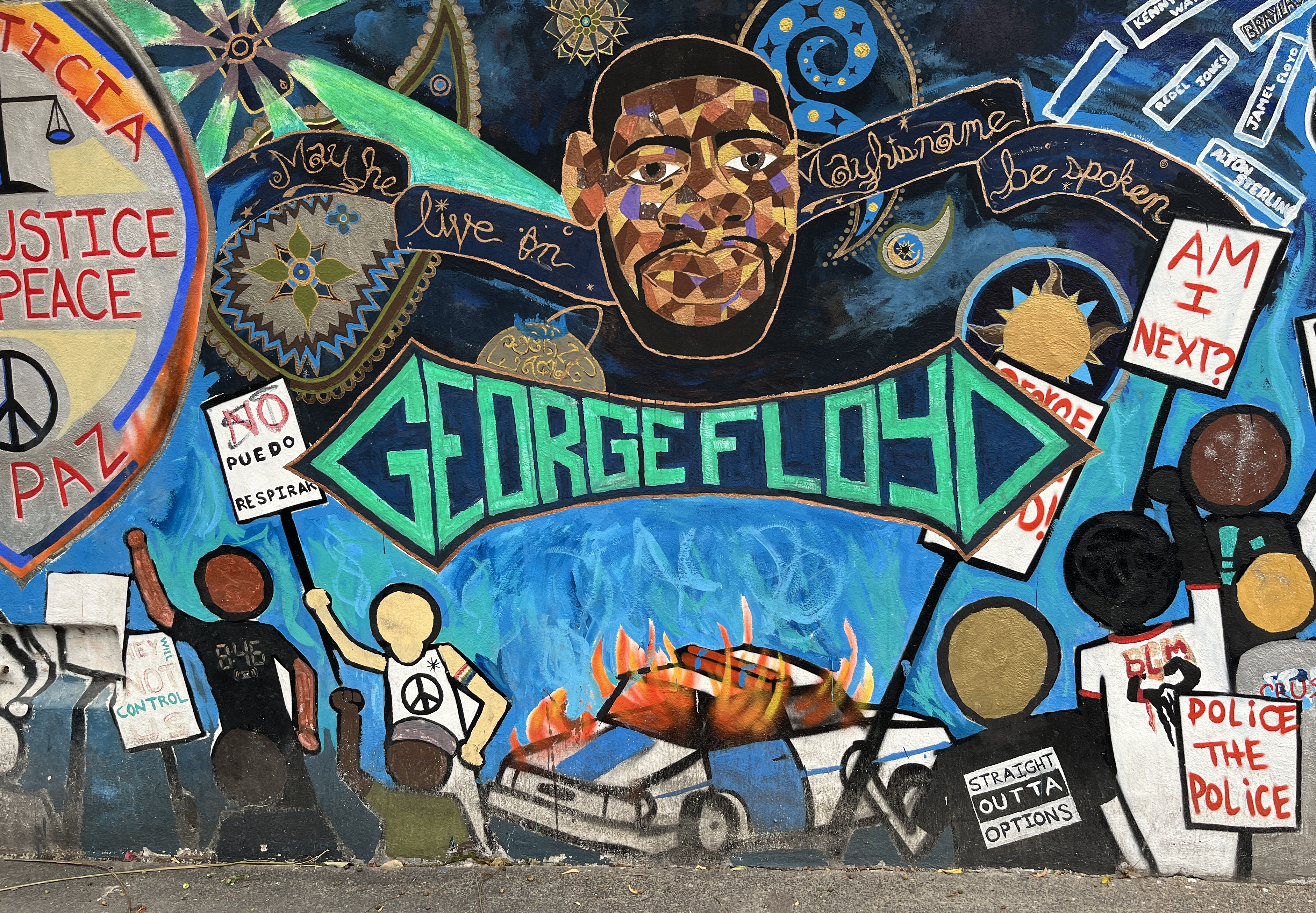
The central figure of the movement was not chosen because his life represented exemplary conduct. Rather, his victimization itself became the basis for symbolic elevation.
In this sense, the moral framework of racial politics appeared to invert. Respectability—the cultivation of conduct that commands esteem—ceased to be central. What mattered was the spectacle of suffering.
This shift reflects a broader transformation in the language of race. Appeals to discipline, responsibility, or self-command are now frequently dismissed as “respectability politics,” as if they represented ideological betrayals rather than practical necessities.
Yet the abandonment of respectability norms carries risks.
Reputation and political power
In democratic societies, reputations matter. Groups depend on the trust and cooperation of others to achieve political goals. When a population becomes widely associated with disorder, even unjustly, its claims may encounter resistance. Public perceptions—however imperfect—shape political outcomes. Earlier generations of Black leaders understood this reality. Washington understood it. Du Bois understood it. King understood it.
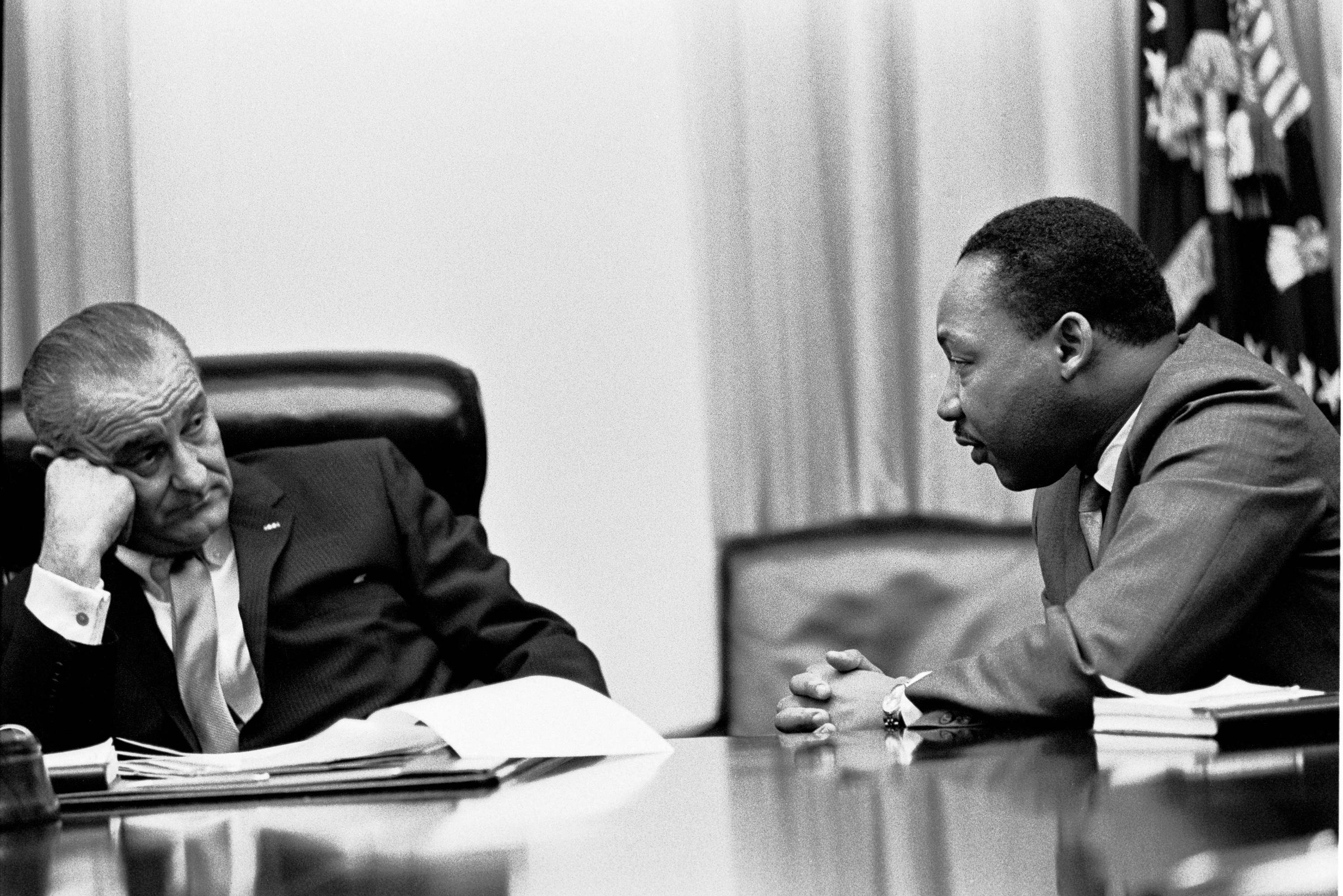
They believed that demonstrating discipline and civic responsibility could challenge racist stereotypes by exposing them as false. Respectability was not simply about pleasing white observers. It was about strengthening the moral standing of the Black freedom struggle.
The contemporary dismissal of respectability risks forfeiting this strategic advantage.
Respectability as self-respect
Ultimately the debate about respectability politics concerns the meaning of dignity.
If respectability means groveling before dominant norms, it deserves rejection. But if it means cultivating honorable conduct that commands the respect of others, then it remains indispensable.
Communities that sustain norms of responsibility and self-command possess an internal strength that cannot easily be undermined by prejudice. They demonstrate the capacity for self-government—the fundamental requirement of democratic citizenship.
Washington and Du Bois, despite their disagreements, both recognized this truth. They believed that racial progress required not only institutional reform but also moral development within the community. Their insight remains relevant today.
A fragile achievement
Civilization is a fragile achievement. It rests upon millions of daily acts of restraint—people choosing not to indulge destructive impulses, choosing instead to behave in ways that sustain cooperation and trust. Every functioning society depends on such choices. The law cannot compel them all; police cannot monitor them all; bureaucracies cannot manufacture them. They arise from within persons and communities—from habits of self-command that individuals internalize and that cultures reinforce. Without such norms of restraint and responsibility, the delicate web of trust upon which civilized life depends begins to fray.
For Black Americans, whose history in this country includes both profound suffering and extraordinary resilience, the cultivation of such virtues is not an imposition from outside. It is not an act of submission to some alien cultural authority. It is, rather, part of the ongoing work of freedom itself.
The great achievement of the American civil rights revolution was to secure for Black Americans the formal liberties of citizenship. But freedom is not the end of the story. Freedom is the beginning of responsibility. The real challenge of the twenty-first century is not to throw off the shackles of oppression—those shackles having been shattered by the struggles of earlier generations—but to take up the burdens that freedom places upon us.
This is a difficult truth to speak plainly. Yet it must be spoken. Equality of dignity, equality of standing, equality of honor within a democratic society—these things cannot simply be handed over by legislative decree or extracted by protest alone. They cannot be bestowed as gifts by sympathetic allies. They must ultimately be secured through conduct that commands the respect of others.
A people who wish to walk through the world with dignity must cultivate the habits that make dignity visible: responsibility, discipline, self-restraint, devotion to family, respect for law, commitment to learning, and the willingness to govern themselves.
To say this is not to deny the reality of injustice. Nor is it to forget the brutal history that Black Americans have endured. It is simply to insist on facing reality squarely. Freedom does not absolve us of responsibility; it intensifies it. A community that seeks equal standing within a free society must demonstrate, through its conduct, its capacity for self-government. That is the burden that history now places upon us.
Respectability, properly understood, is not submission. It is self-command. It is the collective decision of a people to regulate their conduct in ways that strengthen their moral standing and sustain the trust upon which democratic life depends. And self-command—both individual and communal—remains one of the indispensable foundations of freedom.
Glenn C. Loury is a distinguished visiting fellow at the Hoover Institution and the Merton P. Stoltz Professor of the Social Sciences (emeritus) at Brown University, where he has taught since 2005. Loury was the first African-American professor of economics at Harvard University to gain tenure. His latest book is Self-Censorship (2025, Polity, Cambridge). He also hosts a podcast on Substack called, The Glenn Show.