 Powered by
This article is part of Liberty Amplified, a series produced in partnership with the Hoover Institution’s Human Security Project and the Hoover Institution Library & Archives, featuring voices that challenge authoritarianism in pursuit of freedom.
Featured in the new exhibition Choosing Freedom in the Lou Henry Hoover Gallery at Hoover Tower is the story of Victor Herman, an American who spent forty-five years trapped in the Soviet Union—ten of them enduring torture in the Gulag. His journey from celebrated athlete to “enemy of the Soviet state” and, finally, to freed American citizen stands as a testament to his strength, resilience, and love for his family, as well as the indomitable human spirit and the precious nature of freedom.
The Victor Herman papers at the Hoover Institution Library & Archives, together with other historic collections this special exhibition draws from, offer a window into lives of tragedy and triumph on the path to individual freedom.
A vision of Soviet progress
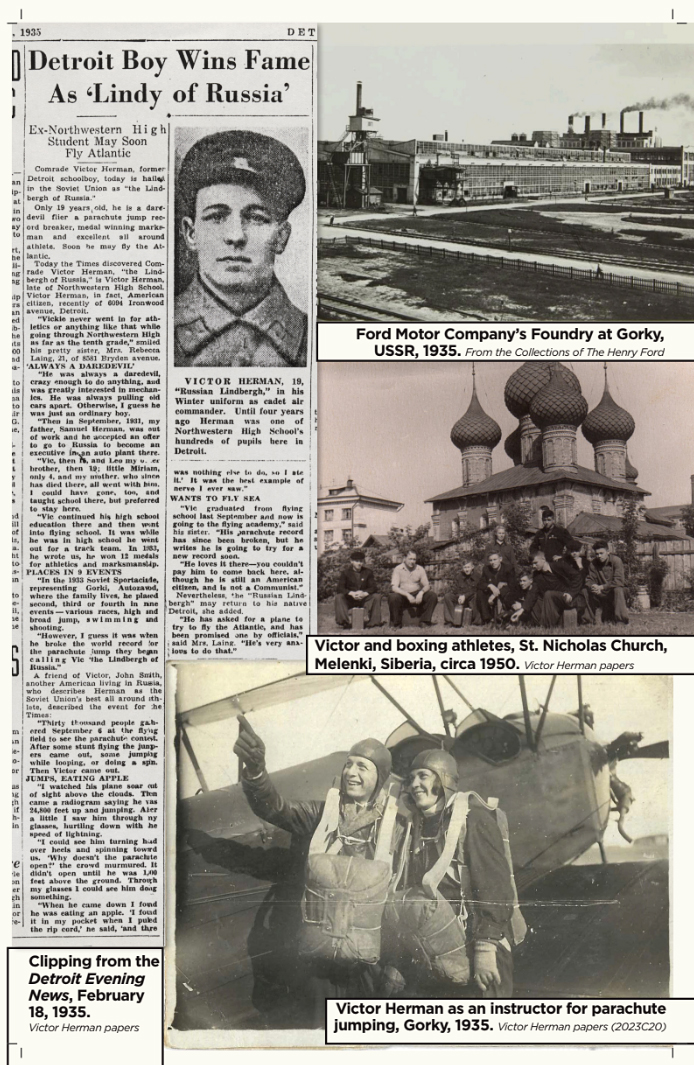
Born in Detroit in 1915, Victor Herman arrived in the Soviet Union in 1931, at age sixteen, with his family, part of a wave of thousands of Americans seeking opportunity or drawn by sympathy with the communist experiment. His father, Samuel Herman, had been persuaded by Henry Ford himself to relocate to Nizhny Novgorod (renamed Gorky, 1932–90) to assist with a truck factory that the Ford Motor Company had sold to the Soviet government. The industrial collaboration between Ford and Stalin’s regime represented the height of Western enthusiasm for Soviet modernization—a zeal that would prove tragically misplaced for most of these American emigrants, who never returned home.
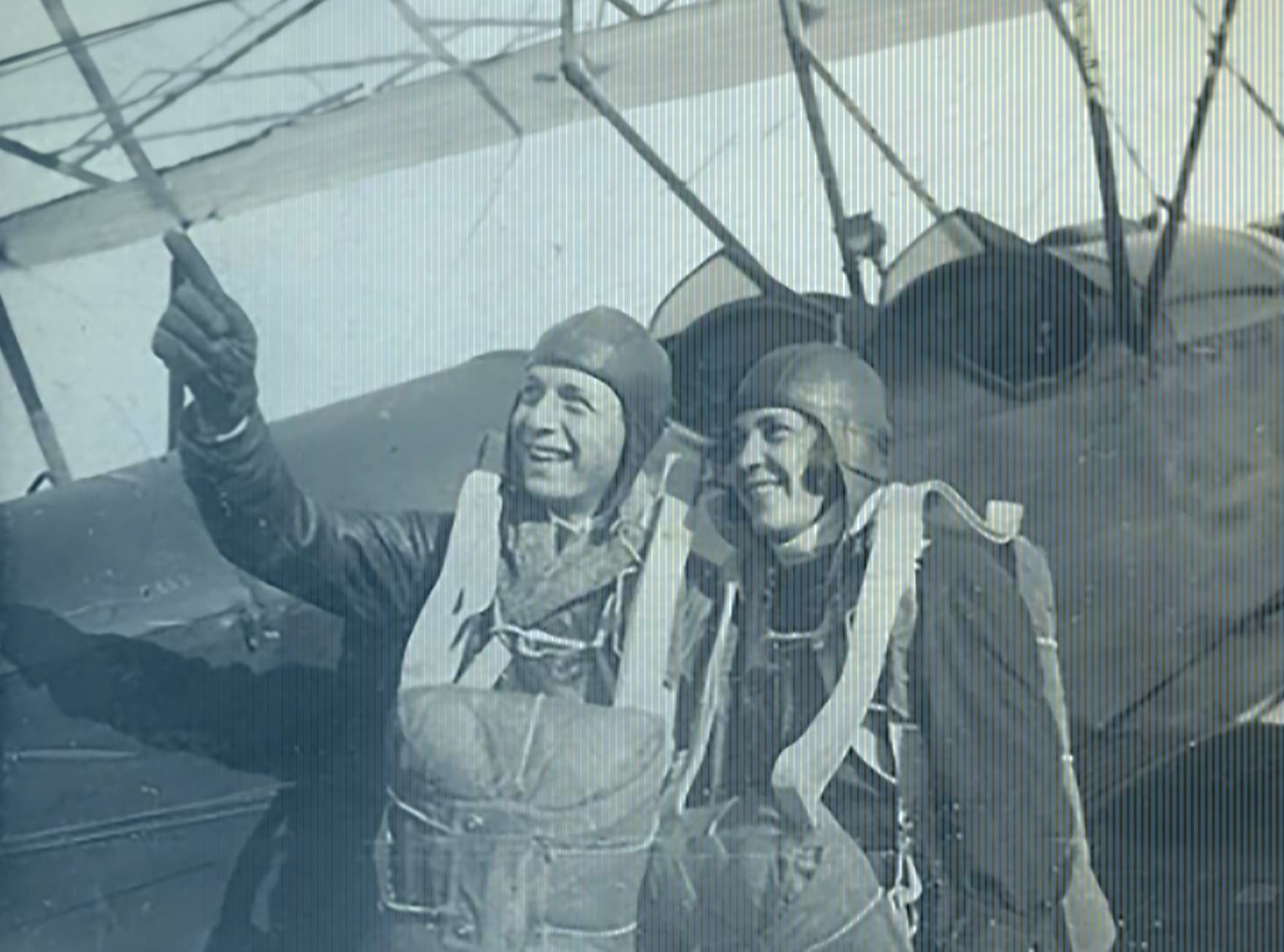
As he came of age, Victor flourished as an athlete, pilot, and parachutist, achieving such fame that a Detroit newspaper ran a story on February 18, 1935, with the headline “Detroit Boy Wins Fame as ‘Lindy of Russia,’ ” invoking the aviator Charles Lindbergh. By 1935, Victor was working as a parachuting instructor in Gorky. In photographs displayed in the Hoover exhibition, his confident smile suggests a young man who had found his place in the world.
The price of principle
An act of defiance would place Victor Herman in the crosshairs of Soviet authorities. It was not one of espionage or sabotage but rather an insistence on the truth.
In 1934, after achieving what appeared to be a world altitude record in freefall parachute jumping, Herman drew scrutiny from Soviet authorities when he refused to write “USSR” on a form asking his nationality. He insisted that he was a US citizen. This seemingly small act of principle—a refusal to deny his American identity—marked him as suspect in a regime suspicious of foreign influence.
As Stalin’s Great Terror intensified in the 1930s, the secret police came for him. “You are an enemy, Herman!” they told him. “Your kind is being weeded out!” In 1938, at just twenty-three years old, he entered the Gulag, the Soviet prison network in which almost two million Soviet citizens and hundreds of thousands of immigrants were killed.
Ten years of hell, twenty more in Soviet hands
The decade Victor Herman spent in the Gulag tested the limits of the human spirit. He survived torture and forced labor that killed countless others, emerging in the late 1940s only to face nearly another decade of internal exile in Siberia.
Despite living through such bleak circumstances, Herman found passion and purpose. During his exile Herman met Galina, the woman who would become his wife and anchor. And after exile, he spent many years working as a boxing coach in the USSR, a period well documented in the photographs on display.
Although he was forced to remain in the USSR, Herman never relinquished his desire to return to America. He understood what many take for granted: freedom is not merely the absence of constraints but the recognition of rights, dignity, and agency.
The road home
Victor Herman’s return to freedom required years of appeals and the dedicated efforts of family members who never forgot him. His cousin David Herman and sister Rebecca worked tirelessly from the United States to secure his release. Finally, in 1976, at age sixty-one, Victor Herman was permitted to leave the Soviet Union—alone.
The family reunification that followed unfolded in stages, each departure a small miracle. His daughters, Svetlana and Janna, followed their father to America, where they reunited with him in New York. Subsequently, his wife, Galina, and his mother-in-law also made it out. On June 11, 1978, Victor and Galina remarried in Michigan, celebrating not just their union but their shared freedom.
Not all the Hermans escaped. Victor’s father, mother, and brother Leo all died in Russia. His sister Miriam never left. They are reminders of the countless others who did not live to tell their own stories.
A memorable mission
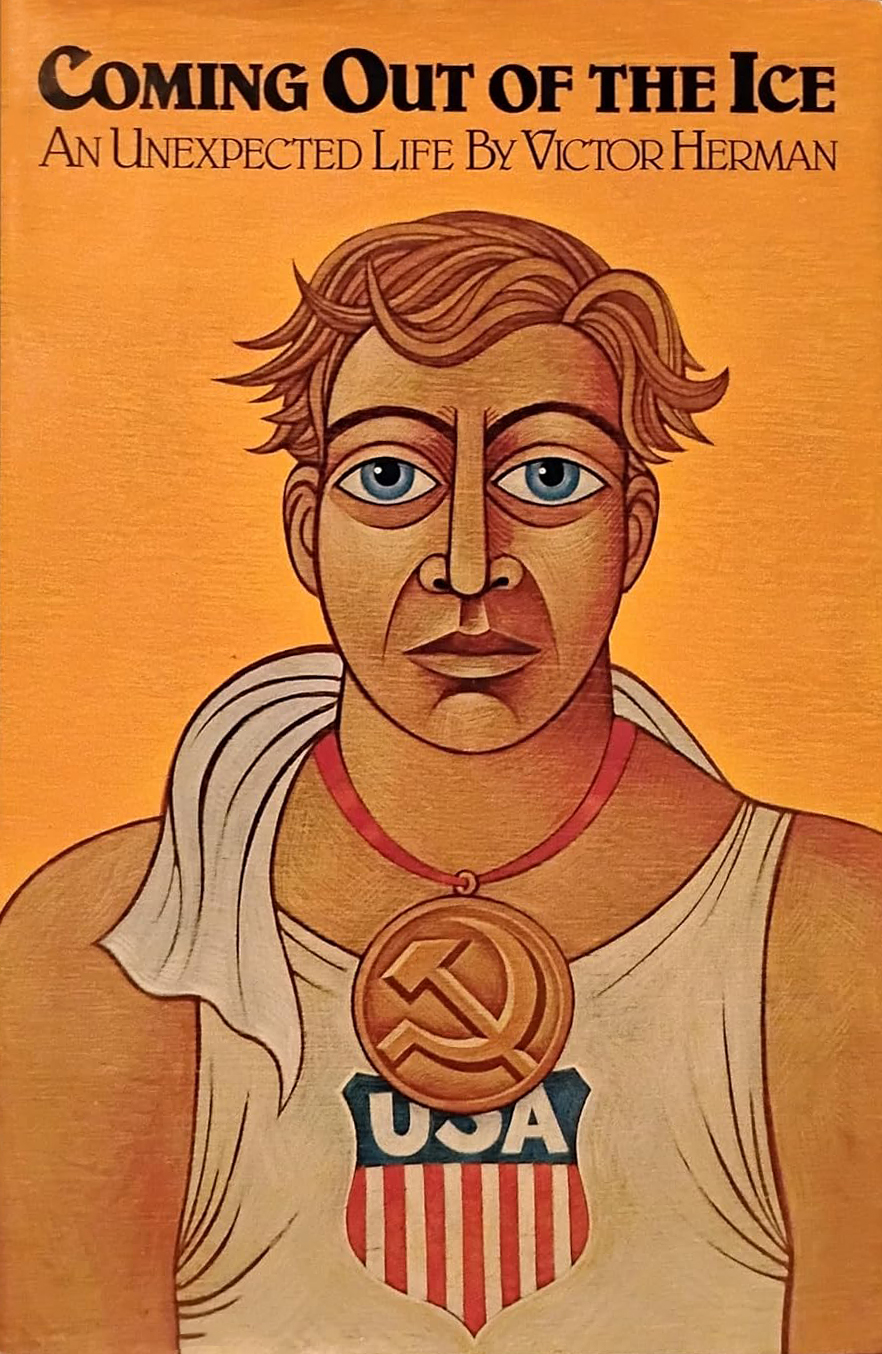
Victor Herman did not spend his final years in quiet retirement. Instead, he dedicated himself to ensuring that his experiences would serve as both testimony and warning. He lectured widely—a 1983 poster on display from Denison University shows him at one event—and he wrote a memoir, Coming Out of the Ice: An Unexpected Life, published in 1979. The book was adapted for a 1982 television movie starring John Savage as Herman and Willie Nelson as his friend “Red” Loon.
The National Review, edited by William F. Buckley Jr., featured his story in its July 25, 1980, issue. Herman’s appeal transcended partisan politics because his message was fundamentally human: freedom matters and totalitarianism destroys.
As Herman told the Deseret News on September 6, 1979: “We must not take our unlimited freedoms for granted or we will lose them.”
A legacy
Victor Herman died in Southfield, Michigan, on March 25, 1985. Among the condolence letters sent to his widow, Galina, was one from President Reagan, a gesture recognizing Herman’s contribution to American understanding of Soviet repression during the Cold War.
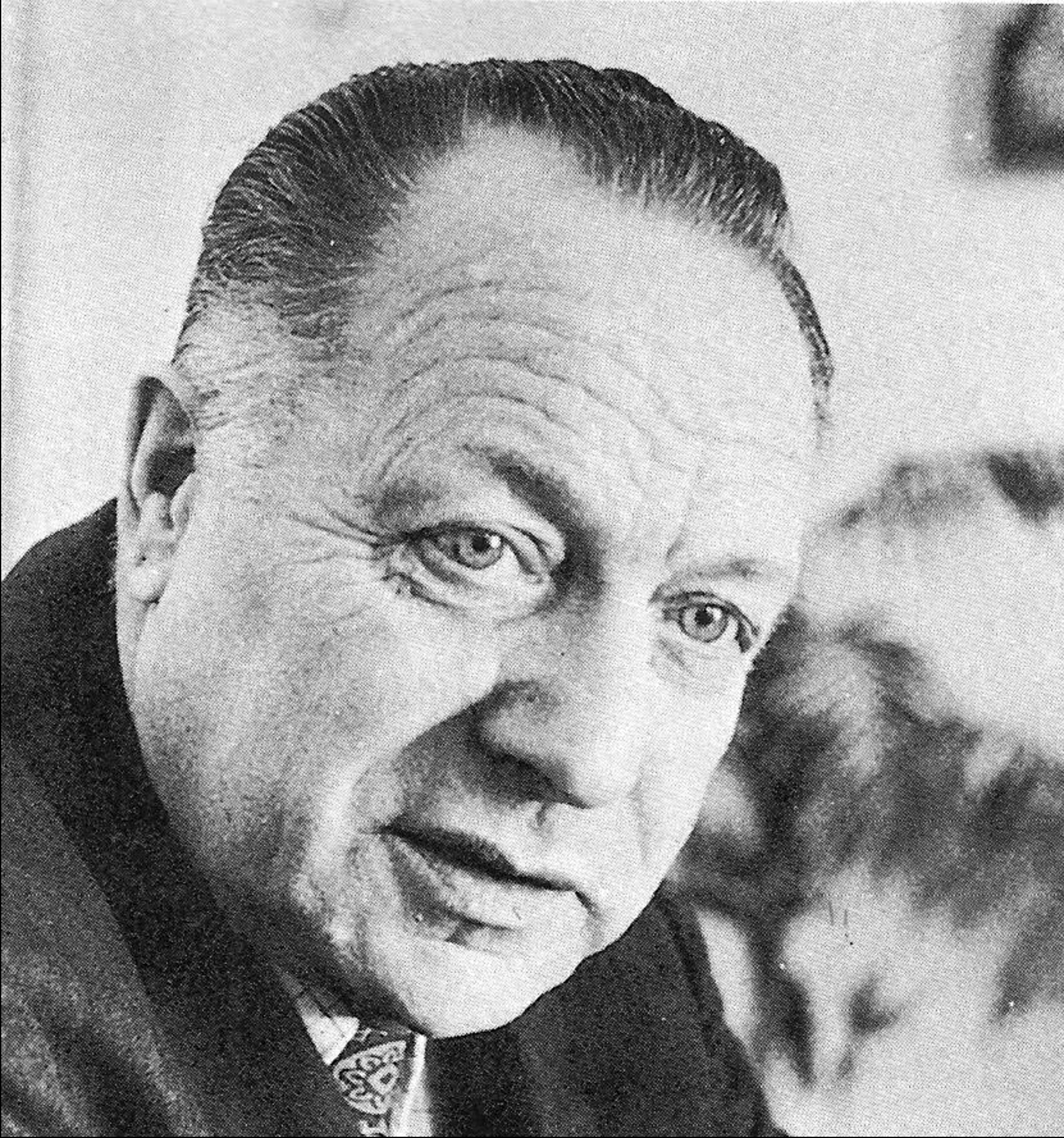
Primary-source materials from the Victor Herman papers, now exhibited at the Hoover Institution Library & Archives, preserve the evidence of his extraordinary life: photographs from his glory days as the “Lindy of Russia”; images from his exile in Siberia; records of his family’s reunification; and items from his years as author and lecturer. Together, these materials demonstrate courage and perseverance in the face of oppression.
Eric Wakin is a research fellow and deputy director of the Hoover Institution, and the Everett and Jane Hauck Director of the Institution’s Library & Archives. The new exhibition Choosing Freedom presents personal stories of those who fled twentieth-century authoritarian regimes, drawn from Hoover collections. The exhibition features testimonies, artifacts, photographs, and personal accounts. Learn more.
Liberty Amplified features the voices of those who defy autocracy in pursuit of freedom. It is produced in partnership with the Hoover Institution’s Human Security Project and the Hoover Institution Library & Archives.