 Powered by
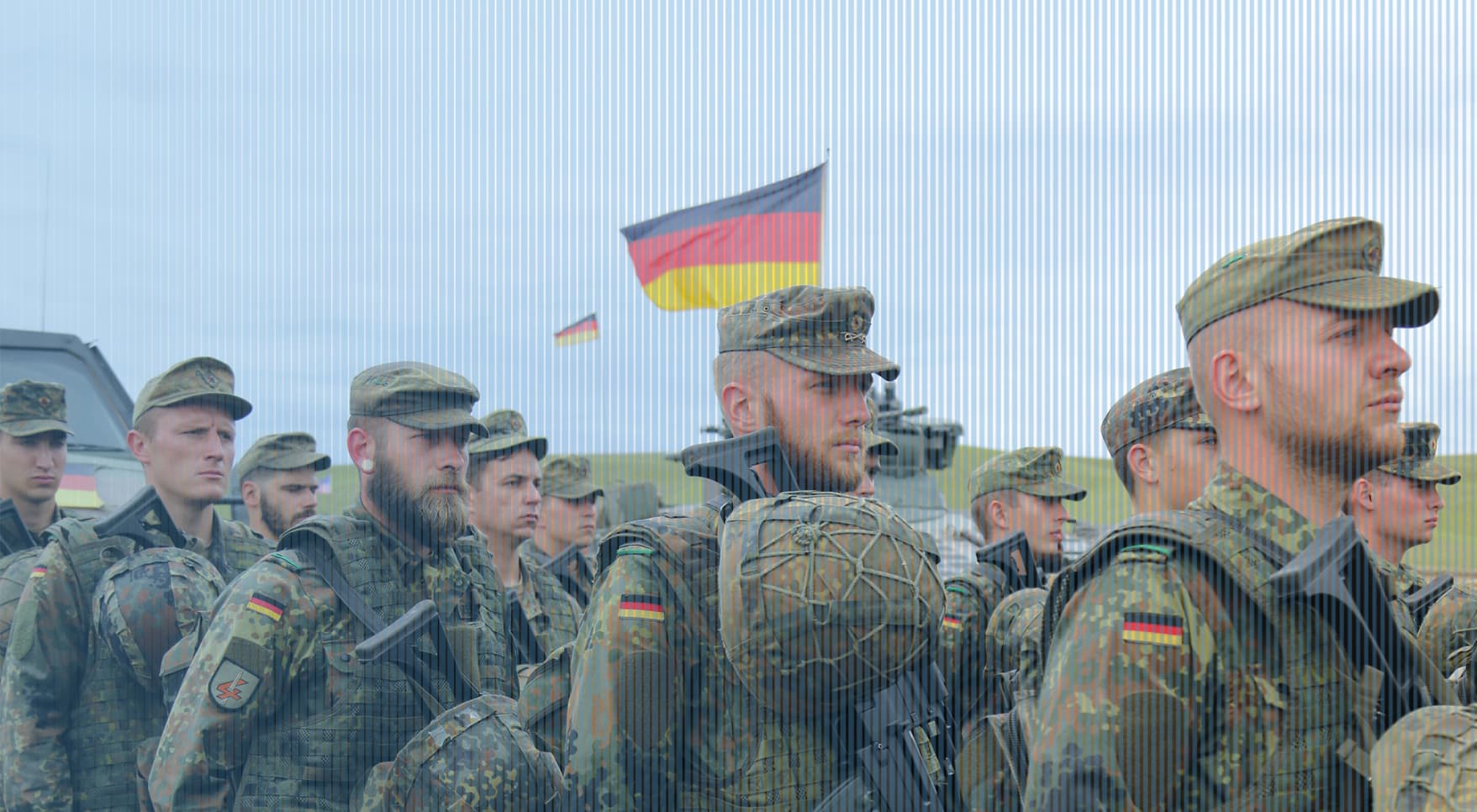
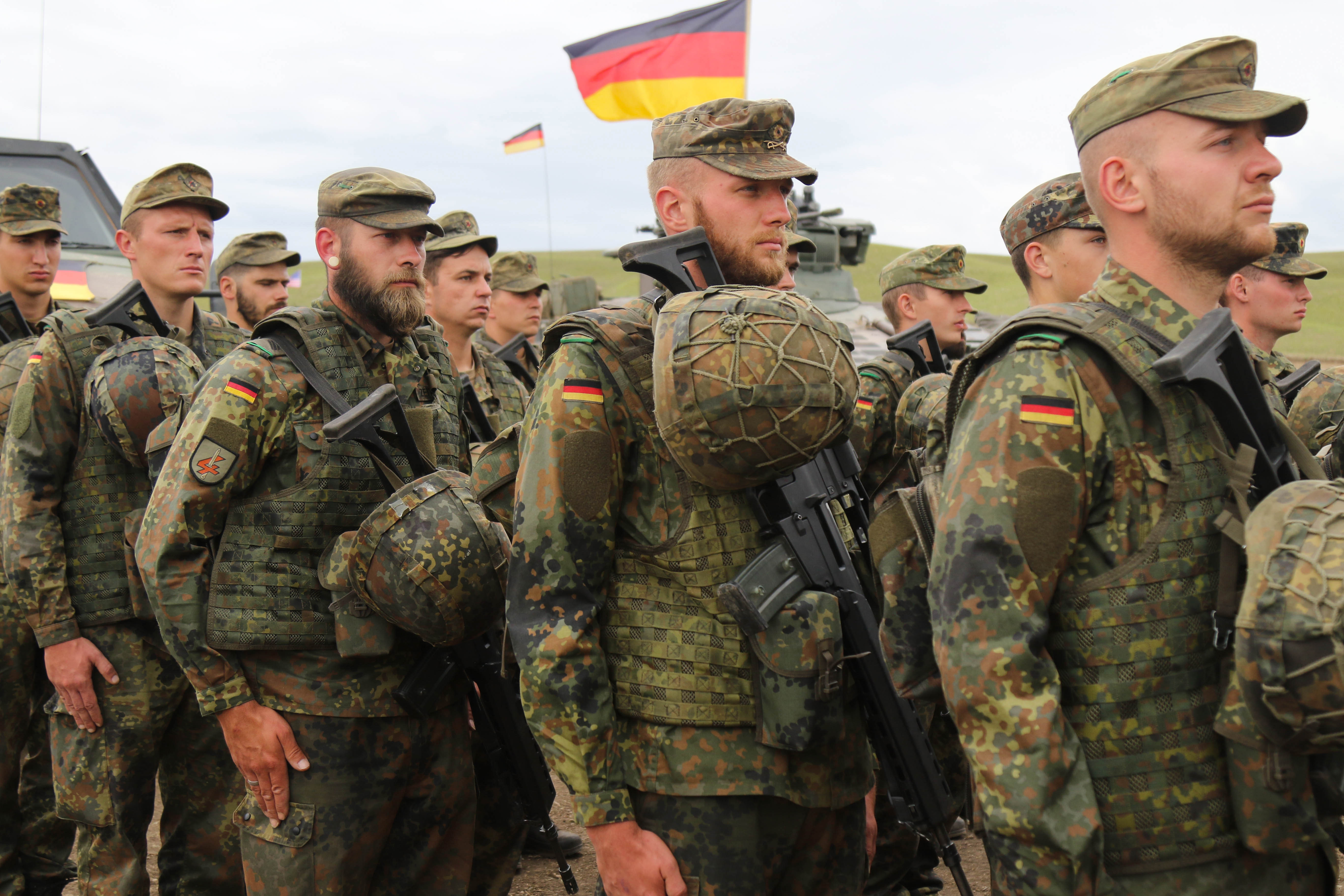
West Germany was among America’s most reliable European allies during the Cold War, and unified Germany inherited that role after 1989. Although the US military presence has since declined, German-American cooperation remains central to the Western security architecture. At the same time, recurring disagreements—especially over defense spending and threat assessment—have reflected differing strategic cultures on the two sides of the Atlantic.
These tensions have intensified in recent years. Since the 2017 US National Security Strategy was released, American policy has been framed by the logic of great-power competition, emphasizing the challenges posed by China and Russia, along with support from actors such as Iran and North Korea. German policy, by contrast, has often lacked a comparable global framework.
While a robustly Atlanticist orientation has long characterized parts of the German political spectrum, especially among the center-right Christian Democrats, other currents have sought to maintain greater distance from US leadership. Center-left Social Democrats have displayed an attraction toward policies pursuing neutrality between Washington and Moscow, while the far-right Alternative for Germany has sometimes put forward explicitly pro-Russian points of view (although there are Atlanticist countercurrents within that party too).
More broadly, German political culture has retained a strong reluctance toward military engagement, even as Russia’s aggression in Ukraine has begun to shift perceptions.
Iran: a clash of views
These long-standing differences now crystallize in Germany’s response to the current conflict involving Iran. Despite clear European interests—such as the protection of maritime routes—leading German political figures have distanced themselves from the American position. Chancellor Friedrich Merz, after an initially constructive meeting with President Trump in early March, subsequently described the American campaign as “not our war.”
German Federal President Frank-Walter Steinmeier, who by rights ought to restrict himself to symbolic matters, made matters worse by declaring the war a violation of international law and then drawing an unnecessarily pointed conclusion: “Just as I believe there will be no going back to the way things were before February 24, 2022, in our relationship with Russia, so I believe there will be no going back to the way things were before January 20, 2025, in transatlantic relations.”
Steinmeier’s parallelism that places Germany equidistant between Vladimir Putin’s Russia and Donald Trump’s America is classic Social Democratic neutralism: Germany understanding itself as standing between East and West and therefore belonging to neither. It is worth noting that Steinmeier dates the rupture with Washington not from the initiation of the attacks on Iran but earlier, from the moment of the Trump inauguration, evidence of the prioritization of the person Donald Trump over specific political issues in influential parts of the German political establishment.
Yet this political framing stands in marked contrast to assessments emerging from Germany’s own military leadership. Senior officers have issued unusually direct warnings about the scale of the threat posed by Russia.
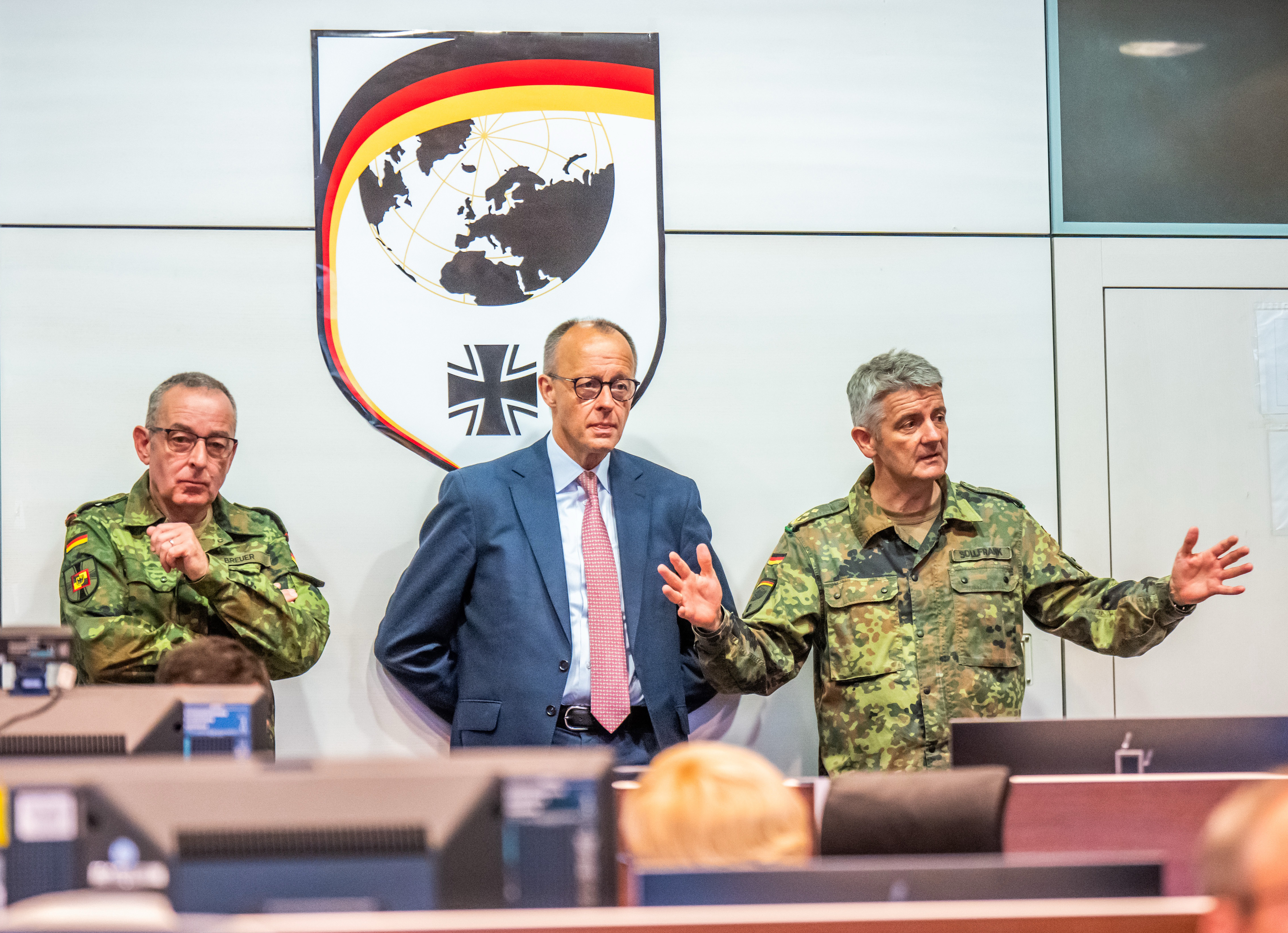
General Carsten Breuer, inspector general of the Bundeswehr, has said: “I’ve never experienced a situation as dangerous and urgent as it is today. . . . Russia is building up its military to nearly double the size it had before the war against Ukraine. They are building new structures on the Russian side, and all those structures are pointing West. There’s a clear threat.” General Alexander Sollfrank, commander of Germany’s Joint Operational Command, specifies in a recent interview that “our planning is based on the assumption that Russia will be ready to launch a large-scale attack against us by 2029. However, we are also making preparations for the possibility that an attack—albeit on a smaller scale—could occur sooner.”
While the German political leadership imagines that Germany is safely insulated from the wars, the military leadership is evidently willing to be much more frank in public statements about the growing threat.
The buildup of Russian forces facing west is uncannily reminiscent of the buildup before the 2022 invasion of Ukraine. Yet what is at stake is not exclusively a matter of specifically Russian ambitions to expand westward, but an effect of the convergence of fronts: de facto linkages between the wars in Ukraine, Gaza, and Iran, resulting in threats to Europe.
This dynamic is most evident in Tehran’s decision in March to launch missiles at the US-UK military base on the Indian Ocean island of Diego Garcia. The missiles missed their target but announced to the world that most European capitals are within Iranian range. In fact, Iran’s goal may have been less to strike Diego Garcia than to send a message to Berlin, Paris, and London that they might become targets.
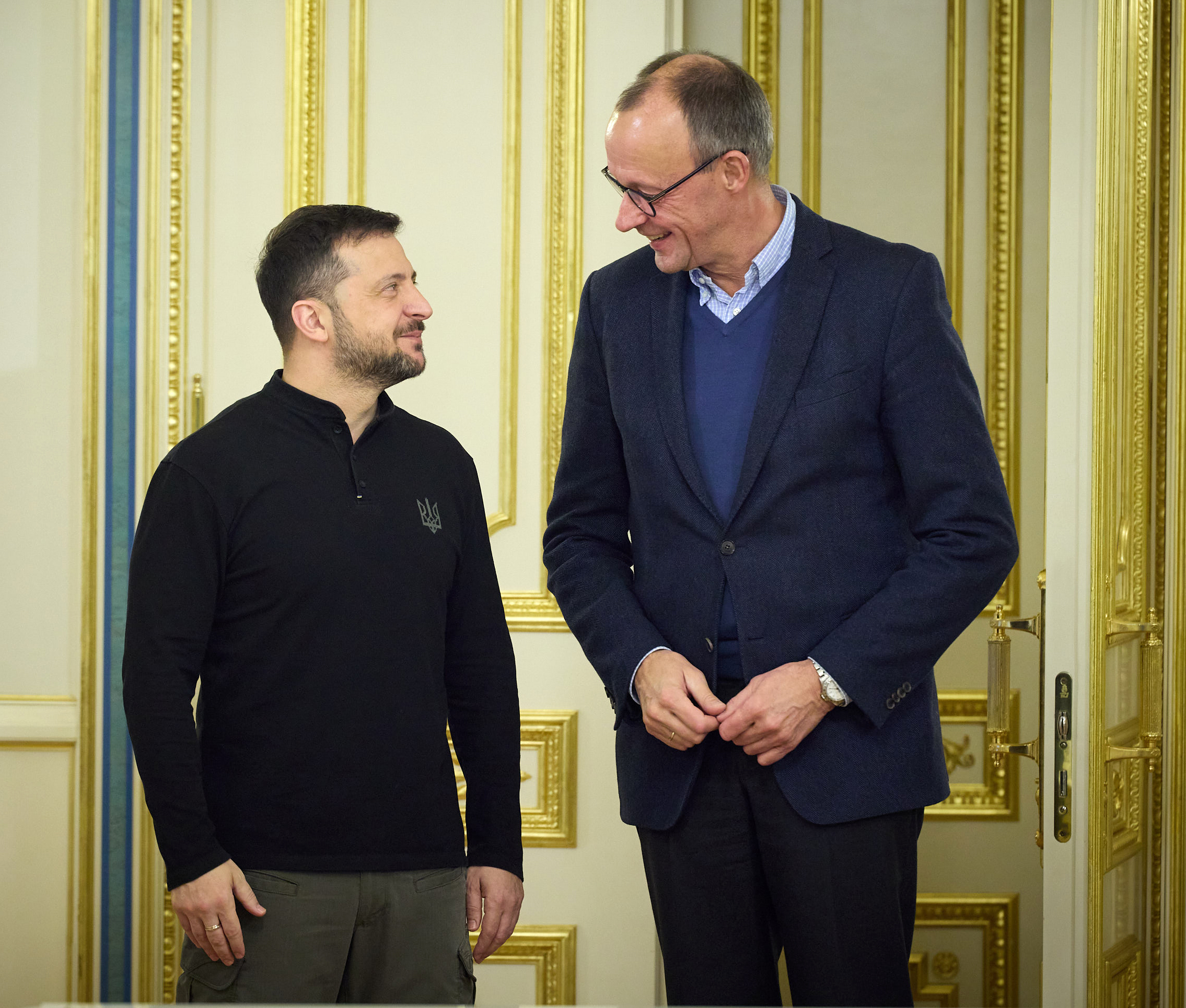
Meanwhile Ukraine, which receives vigorous backing from Europe, has entered defense pacts with the Gulf states that are facing Iranian attacks, including drones supplied by Russia. British Secretary of State for Defense John Healey has asserted that Russia is supporting Iran in “tactics, training, and tech.” Ryan Evans, editor of War on the Rocks, draws the conclusion that “Russia is a common denominator in both wars. . . . It is time for the president to stop handling these crises as if they are separate.”
The threat spreads
It is also time for European leaders to face the interconnection. Russia connects the Middle East conflict with Ukraine, leading to a growing threat potential for Europe.
Sollfrank predicts that a full-scale Russian assault onto NATO territory would be preceded by elements of hybrid warfare. These, however, are already well under way. Germany has seen hundreds of acts of sabotage directed against critical infrastructure. Some of these have been carried out by anarchist groups, such as the attack of January 3, 2026, on the Berlin electric grid that left more than forty thousand households without power during the dead of winter. In addition, there have been extensive cyberattacks on private firms and public-sector sites as well as on the websites of the European Commission.
A further dimension involves efforts to influence public opinion through the spread of disinformation. While sabotage and cyberattacks might be prevented or contained through appropriate police action and counterterrorism, anti-disinformation measures have often led to practices reasonably understood as censorship, which erodes the credibility of liberal democracy. Finding the best response to disinformation remains a challenge.
German political leadership, as of this writing, still tries to distance itself from the Middle East conflict. In the case of Steinmeier, this even turns into an announcement of a fundamental break with the United States. This perspective risks underestimating the extent to which the security of Europe is implicated in interconnected global dynamics. Even if Germany tries to retreat into an anti-war bubble, condemning any use of force, war may be spreading to the borders of Europe, as generals Breuer and Sollfrank make abundantly clear.
Given the growing danger, it is time to strengthen the connections between Berlin and Washington.
A serious German response should recognize the shared strategic interests that underpin the transatlantic relationship as well as opportunities to cooperate with the Trump administration, rather than engage in unproductive rhetorical confrontations. German and other European leaders should understand that rhetoric designed for their domestic audiences may do significant damage in Washington. At the same time, policymakers in Washington should not let themselves be provoked by rash statements in Europe: it is vital to keep an eye on the long game, and in the long run a rupture in the transatlantic partnership will only benefit Moscow.
As the convergence of fronts reshapes the international environment, effective policy will depend not on rhetorical brinksmanship but on a clear-eyed assessment of common challenges and coordinated responses.
Russell A. Berman is a senior fellow at the Hoover Institution and a co-chair of Hoover’s Working Group on the Middle East and the Islamic World. He also participates in Hoover’s Military History in Contemporary Conflict working group and its Global Policy and Strategy Initiative. Berman is the Walter A. Haas Professor in the Humanities at Stanford University.