 Powered by
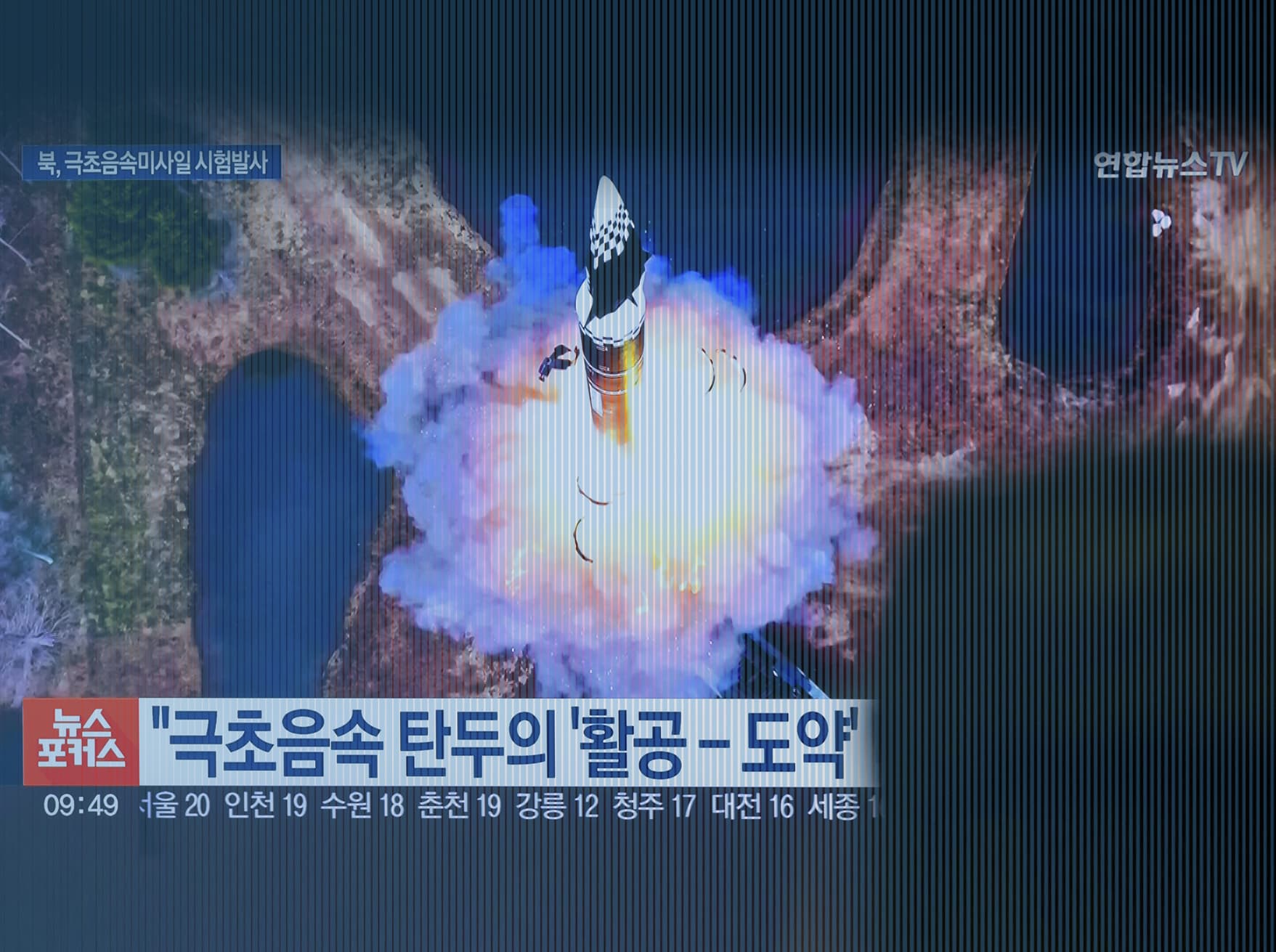
If there was one theme that defined the recent Munich Security Conference, it was “destruction.” The conference briefing book, Under Destruction, declared that the US-led postwar international order is under threat. Essays warned of an emphasis on “demolition rather than repair.” German Chancellor Friedrich Merz lamented that the “old order no longer exists,” while Chinese Foreign Minister Wang Yi cautioned against allowing the “law of the jungle” to prevail and destroy the United Nations system.
Yet even as delegates debated the erosion of order, events in the Middle East were about to test it in real time. After the collapse of nuclear talks between the US and Iran, the United States and Israel launched direct strikes on Iranian nuclear and military facilities, and Iran retaliated with missile and proxy attacks across the region.
The crisis, still unfolding, underscores a stark reality: when multilateral mechanisms fail to constrain proliferation, states revert to force.
Records of disappointment
Since President Trump’s re-election, political leaders have delivered a steady stream of speeches warning about the death of the liberal international order. But what if less time were spent mourning its decline and more time examining its record? The post–Cold War order produced deeply mixed results over the past three decades. Rather than focusing on preserving it, policymakers should ask why many of its promised outcomes never materialized.
The Iran crisis exposes the deep dysfunction of current global frameworks. As multilateral talks over Iran’s nuclear program failed and pathways to peaceful resolution narrowed, states resorted to military force to address threats that institutions could not manage. At the same time, Iranians themselves took to the streets, to demand the rights and accountability that global bodies have never been able to secure. These simultaneous failures at the international and domestic levels are a stark example of why simply preserving institutions is not enough.
The broad question is no longer how to preserve the existing order, but what kind of order actually delivers. By its own standards, the international system’s results have been uneven. Consider four central challenges: climate change, development, human rights, and nuclear proliferation.
Climate change has been the obsession of the global international order for decades. Thousands upon thousands of meetings, speeches, and stated commitments have unfolded to address the apparent climate catastrophe. Yet despite years of negotiations, global emissions of carbon dioxide reached their highest level on record in 2025. All G-20 countries are off track to meet the 2015 Paris Accord’s goal of limiting global warming to below 2 degrees Celsius by the end of the century. The global approach to reducing carbon emissions has not worked.
International development has been driven by ambitious but abstract global agendas that overlook the local conditions that determine whether aid actually works. Despite vast differences in state capacity and local realities, initiatives such as the UN’s Sustainable Development Goals assume that “all countries and all stakeholders” can achieve sweeping outcomes, whether ending AIDS or eradicating extreme poverty by 2030.
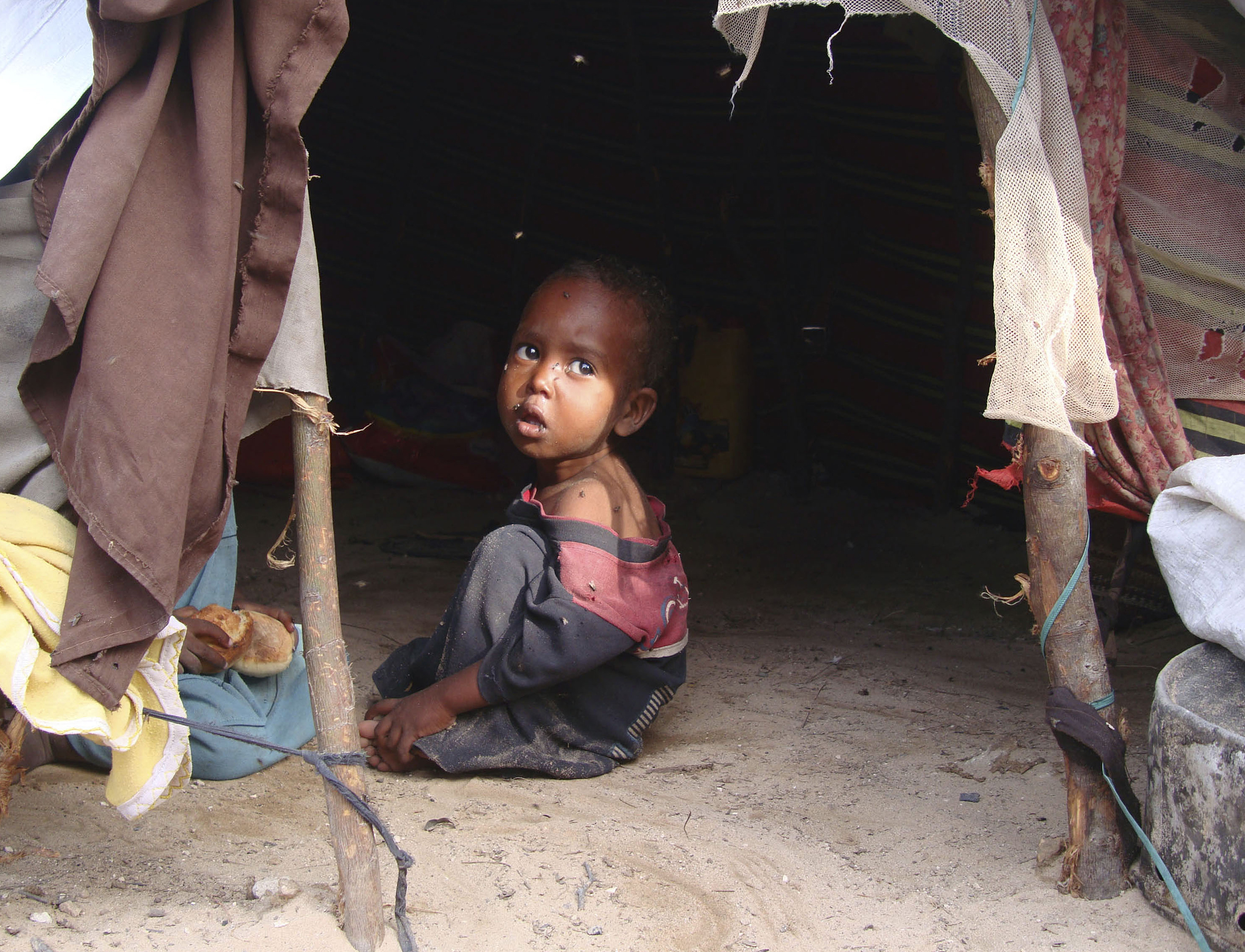
The results suggest otherwise. Hundreds of millions still lack reliable electricity; food insecurity is rising; and water stress is intensifying across much of the world. The UN itself notes that large portions of the world’s population will remain poor well beyond 2030. The World Bank reports that poverty reduction has stalled and estimates that, at current rates, lifting everyone above even a modest threshold of about $6 per day would take more than a century.
In the realm of human rights, multilateral responses have too often proved ineffective or even counterproductive. The willingness of international institutions, particularly the United Nations, to treat authoritarian regimes as legitimate participants has frequently insulated those governments from meaningful reproach. Nowhere is this failure more evident than in the UN Human Rights Council, which has been repeatedly co-opted by some of the world’s worst human rights violators.
The Khamenei regime in Iran violently suppressed nationwide protests over economic collapse and governance, with widespread crackdowns and death sentences. Despite the UN Human Rights Council resolution condemning the violence, global institutions have been ineffective at protecting Iranian civilians.
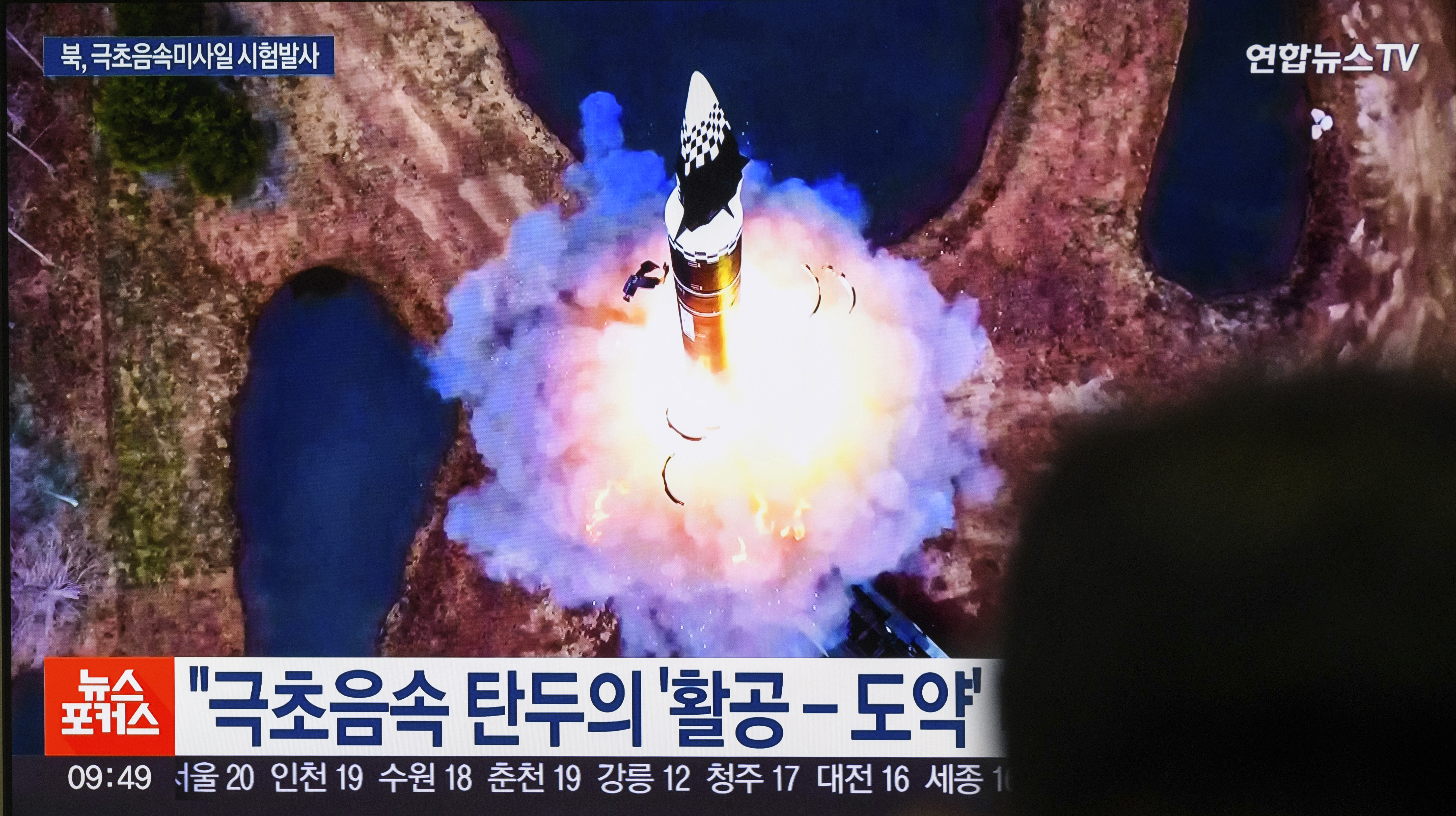
On nuclear proliferation, decades of agreements, talks, and sanctions have failed to prevent North Korea from advancing its nuclear and ballistic missile programs. In Iran’s case, meaningful disruption of Tehran’s nuclear trajectory occurred only through direct US and Israeli military action—measures that drew international condemnation last June and continue to do so even now. These cases suggest that insisting on multilateral consensus and global approval has not prevented nuclear proliferation and has often enabled it by prioritizing process over outcomes.
Centered on states
Rather than asking why decades of global efforts have fallen short, many leaders continue to lament the supposed destruction of the international order and double down on the same remedies. UN Secretary-General António Guterres warns that multilateralism is “under fire” and insists that the only solution lies in renewed collective action. It’s not surprising that Chinese Foreign Minister Wang Yi echoes this logic, urging reforms to “global governance” to “set the ship of history on the right course.”
Yet this perspective largely ignores a more uncomfortable possibility: that the problem lies in the limits of the global-first approach itself.
The more promising development is a growing willingness, visible in recent months and even last month in Munich, to pursue a different path. A state-anchored approach, grounded in the capabilities and accountability of sovereign governments, offers a more credible route to outcomes that benefit the United States and its allies and partners.
This approach does not reject multilateral institutions, but it demands a more realistic understanding of their limits. Global bodies are most effective when they convene and share information—not when they attempt to execute policies for which they lack authority or capacity. Slow, consensus-bound systems have too often left democratic states less able to respond to emerging challenges. Durable outcomes ultimately depend on states themselves because they alone possess the political authority, citizen accountability, and implementation capacity to act.
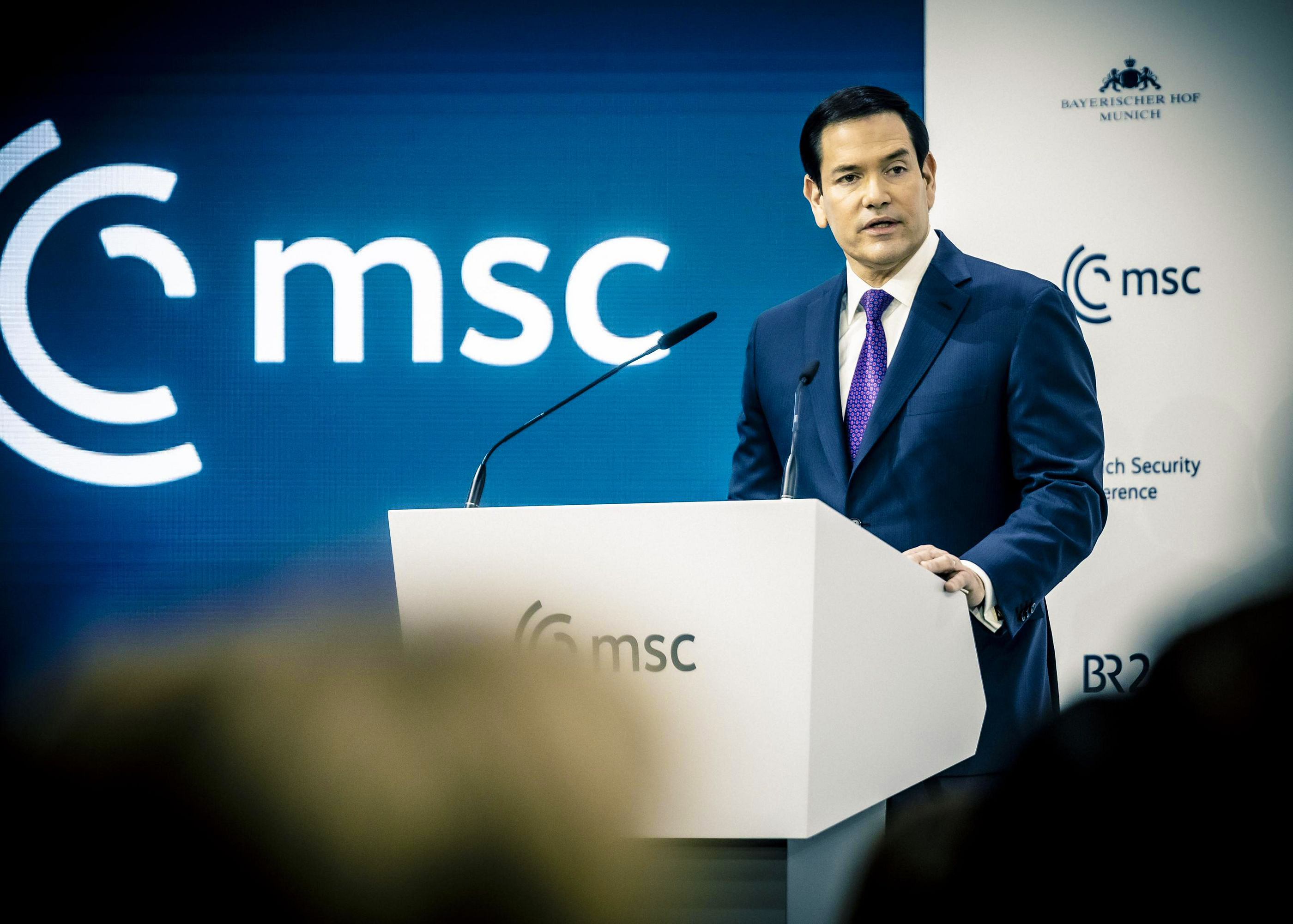
A state-centric operating model begins from a simple but hopeful premise: democratic states, working with partners, remain capable of shaping outcomes. The question, then, is not how to preserve existing institutions for their own sake, but how to build arrangements that actually deliver.
The world needs fewer declarations of process and more demonstrations of results.
Nadia Schadlow is a National Security Visiting Fellow at the Hoover Institution and a senior fellow at the Hudson Institute. Previously, she served as a deputy national security adviser for strategy and assistant to the president of the United States. She is the author of War and the Art of Governance: Consolidating Combat Success into Political Victory (Georgetown University Press, 2017).