 Powered by
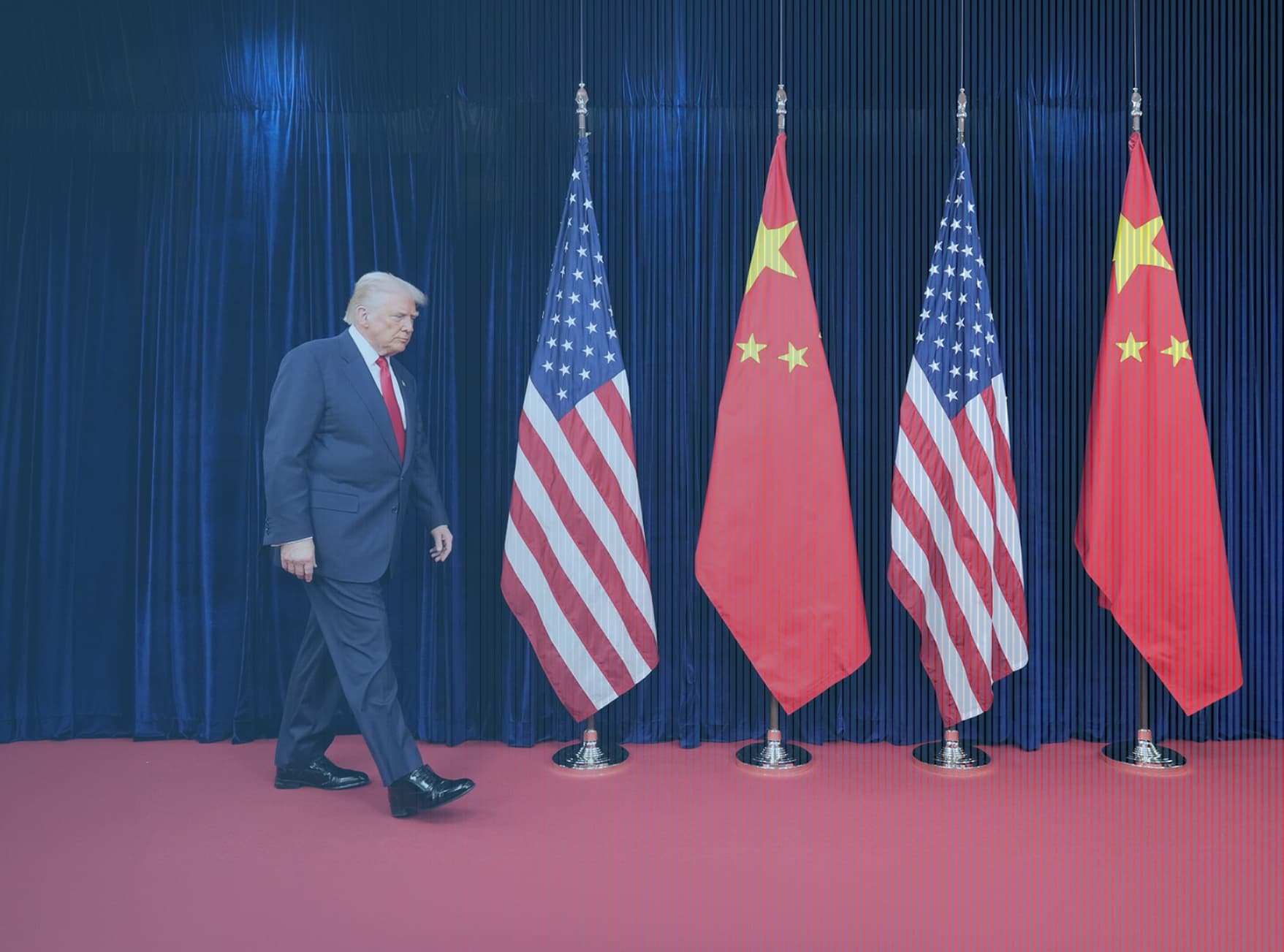
American officials heading to Beijing this week have said their goal is stability in the US-China relationship. But as Washington signals its desire for calm, Beijing has spent the weeks before the May 14–15 summit sharpening its leverage: demanding Meta unwind its acquisition of AI startup Manus, tightening its grip on rare earth exports, and codifying its right to punish any firm that complies with US sanctions and export controls. Beijing is fighting for technological supremacy over the United States, a struggle Chinese leader Xi Jinping aptly calls “the main battlefield.”
The United States is heading into the summit with several cards that Beijing cannot yet trump: it controls access to the world’s most advanced chips; it issues the world’s reserve currency; and it is home to the world’s largest consumer market, coveted by exporters around the world. But it must play these cards skillfully.
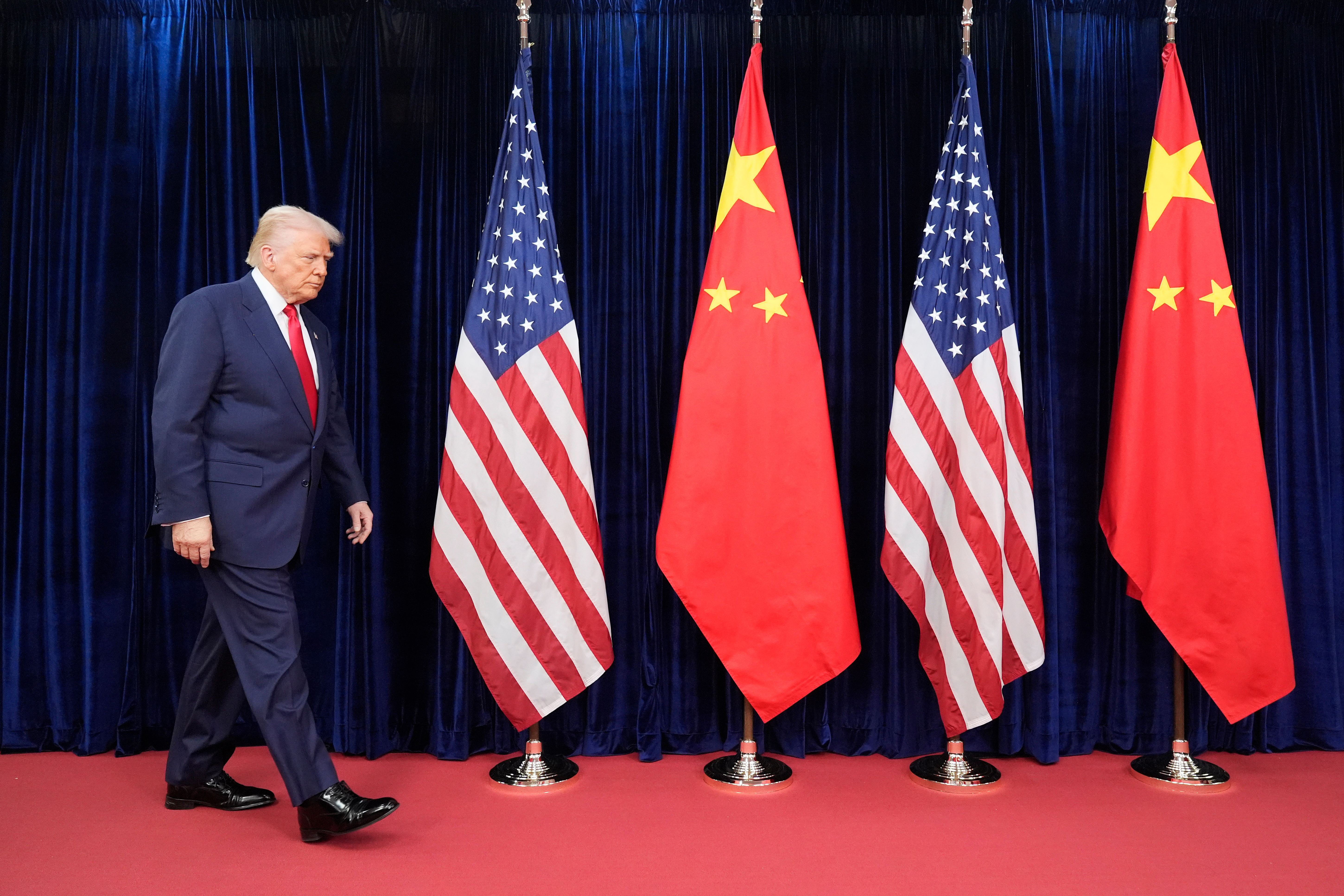
We expect Xi to wheel in a few Trojan horses to present as gifts: investment in US manufacturing, a deal on chips and AI, and a “peace” gesture on Taiwan. Xi’s real aim is to lock President Trump into the current US-China detente, drive a wedge between the American president and more hawkish members of his party, and extract US concessions on trade, technology, and Taiwan.
The factories
At the summit, Xi might frame Chinese investment in American manufacturing as a gift to Trump’s “America First” reindustrialization agenda, dangling the prospect of an expanded US footprint for Chinese battery giant CATL to meet the power demands of American AI data centers.
The president should not fall for it. Investment from China will destroy rather than create jobs, compared to investment from democratic markets like Japan, South Korea, and Taiwan. Creating ever-greater American dependency on China is what Xi has in mind. In 2020 he directed the Communist Party to “tighten international production chains’ dependence on China, to form a powerful countermeasure and deterrent capability against foreigners who would cut off supply.” Xi’s strategy is to build offensive leverage over global manufacturing and make China self-reliant in preparation for war.
Allowing more CATL systems into the United States would cement Beijing’s influence over US energy infrastructure just as the Trump administration is working to break US dependence on grid components made by foreign adversaries. CATL is on the Department of Defense’s blacklist of companies with ties to the Chinese military and has faced congressional scrutiny over potential links to forced labor. The management systems layered on top of CATL hardware use cloud connectivity, AI monitoring, and remote diagnostics that, according to security experts, enable remote access back to China. Under Beijing’s national security and intelligence laws, CATL has no right to refuse if the Communist Party requires its help. Multiple US security agencies have warned that Chinese state-sponsored cyber actors are positioning themselves inside critical US infrastructure for potential attacks.
That should settle the question: more CATL hardware in American data centers is not the answer to America’s AI energy requirements. The United States will be much better off relying on US firms or those in allied jurisdictions like South Korea for batteries and energy infrastructure. President Trump should look this gift horse in the mouth.
The chips
A second Trojan horse would be a deal on AI chips. Every advanced chip China can obtain is a constraint on America’s own AI ambitions. China’s spy chief clearly understands this. In April, Ministry of State Security Director Chen Yixin elevated what he called China’s “anti-blockade struggle”—overcoming US technology restrictions—to one of the ministry’s top national missions, alongside counterterrorism and espionage. That rare move reveals the party’s determination to deprive the United States of its primary advantage in the AI race, which is its asymmetric access to advanced chips.
The emergence this year of what experts describe as the most powerful cyber weapons and defenses in history, made possible by models like Anthropic’s Mythos, only heightens the point: every AI chip sold to China compresses what could be a multi-year American lead into a race China could actually win. The United States needs every month it can buy to harden its defenses before China develops ultra-capable hacking tools. Meanwhile, Xi may try to exploit US concerns about AI safety to persuade Washington to slow down AI progress or roll back export controls on China.
Xi’s bid to water down US export controls may find reinforcement from American industrialists who have argued that keeping China dependent on American technology serves US interests. But this argument has a dismal track record. The Western companies that embedded deepest into China’s technology ecosystem are largely gone, having been absorbed, copied, then undercut. Since Trump approved limited sales of Nvidia’s H200 chip to China, Beijing summoned the US firm for questioning about chip “safety,” transparently aiming to extract disclosures useful to Chinese technology companies.
Commerce Secretary Howard Lutnick got it right in April when he testified to the Senate, stating: “I want to be crystal clear: we are not selling our best chips to China under any circumstance.” The administration should stick to its guns.
A “peace” gesture on Taiwan
Chinese Foreign Minister Wang Yi told Secretary of State Marco Rubio last month that “the Taiwan question” is “the biggest risk factor in China-US relations.” At the summit, Xi may deploy selective history lessons and flattery to argue that giving Beijing a de facto veto over Washington’s arms sales and engagement with Taipei would suit Trump’s peacemaker role. He may suggest that Trump delay or cancel US arms sales to Taiwan and shift US diplomatic language from “does not support” Taiwan’s independence to “opposing” it.
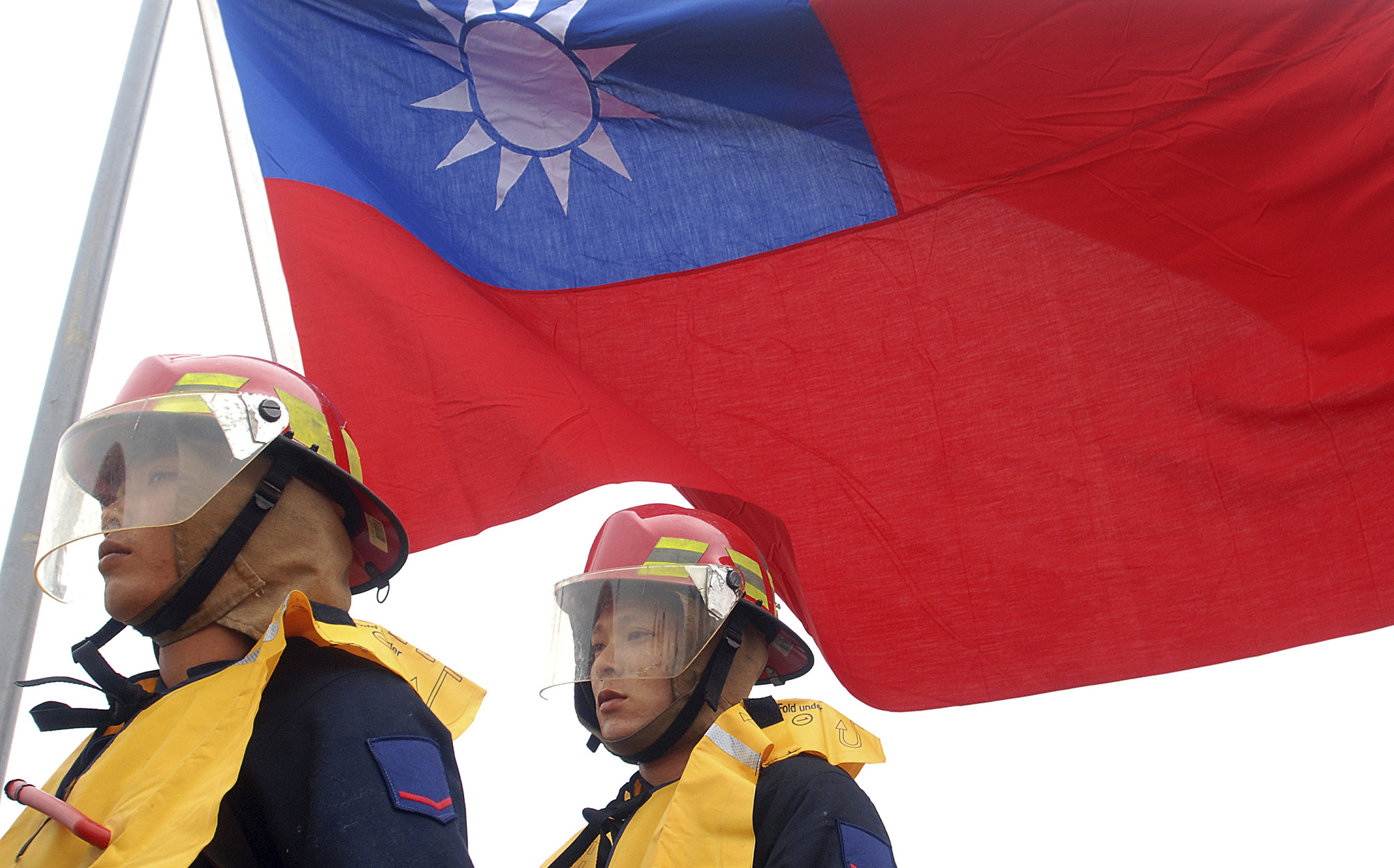
Trump should leave this Trojan horse, too, outside the gate. Beijing’s goal is to leave Taiwan and its democracy defenseless to Beijing’s coercion. A Taiwan annexed by Beijing would hand the Communist Party a stranglehold over the most critical technology supply chain on earth, with dire consequences for American power and prosperity. Meanwhile, Taipei is doing exactly what Trump has championed: it just passed a $25 billion supplemental defense budget, the bulk of it earmarked for American weapons, while its semiconductor companies are pouring hundreds of billions of dollars into US supply chains.
Trump should tell Xi that arms sales to Taiwan have for decades been a mainstay of American policy and are not a bargaining chip.
Any major deliverables on batteries, chips, and Taiwan would be Trojan horses. The president should hold to his vision of reindustrialization with the investments of trusted allies and partners, not mercantilist adversaries. He should win the AI race by safeguarding America’s privileged access to chips. And he should win the peace in the Western Pacific by ensuring Taiwan is strong enough to deter Beijing’s ambitions. That would be the best outcome of his summit in Beijing.
Matt Pottinger is a distinguished visiting fellow at the Hoover Institution. He served in the White House for four years in senior roles on the National Security Council staff, including as deputy national security adviser from 2019 to 2021. Pottinger and Liza Tobin worked together on the NSC staff and are colleagues at Garnaut Global LLC, a research and advisory firm with expertise in China’s geopolitical and technological aspirations. Garnaut Global does not engage in policy advocacy on behalf of its clients.