 Powered by

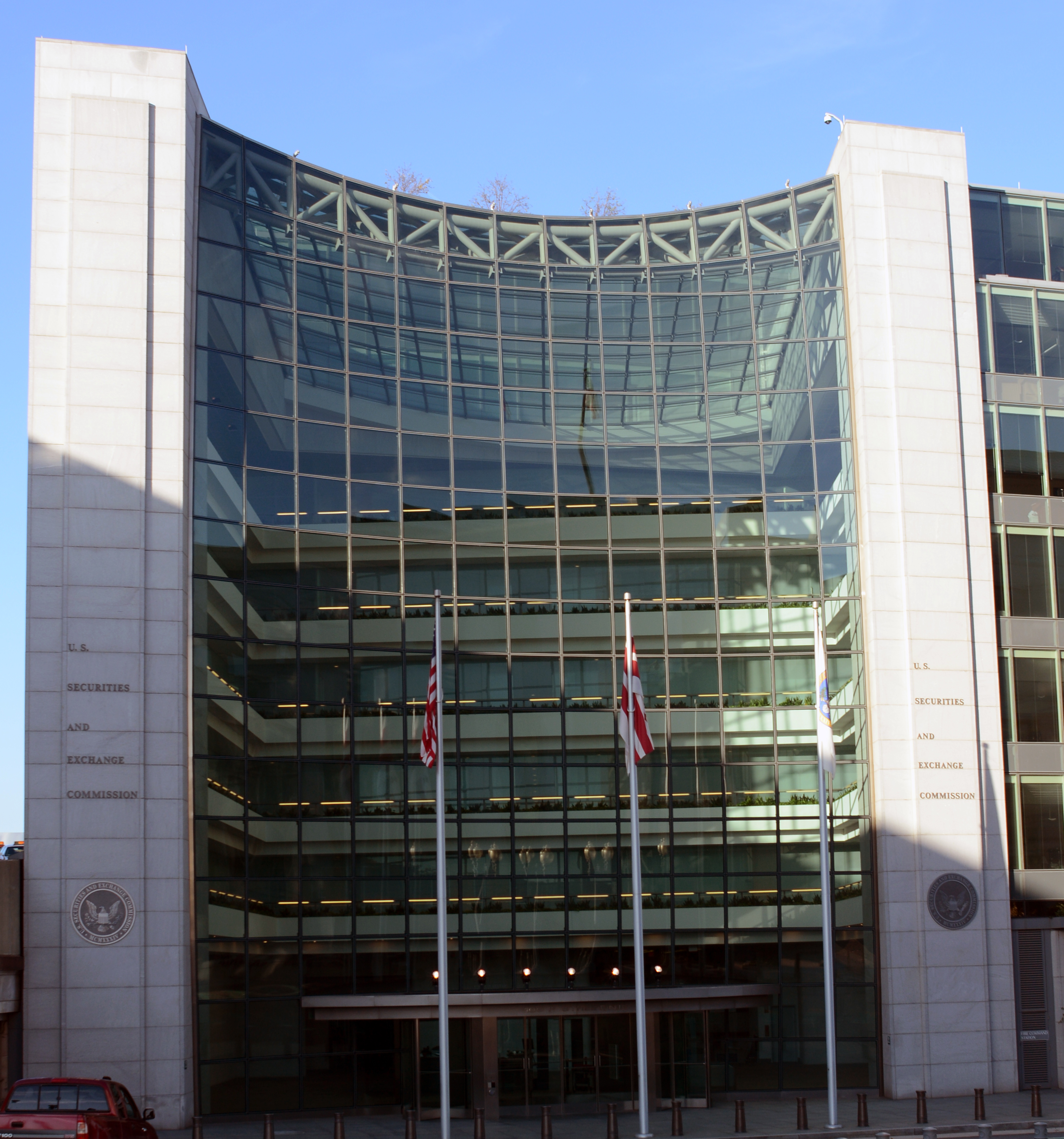
For more than 50 years, since the US Securities and Exchange Commission (SEC) formalized quarterly 10-Q reporting in 1970, regular earnings disclosure has been a core feature of US public markets, covering companies that together account for tens of trillions of dollars in market value. The SEC is now actively considering allowing firms to shift to semiannual reporting instead, in the name of reducing short-termism.
The goal sounds sensible. The effect would be the opposite.
Markets need more (not less) frequent information
Quarterly reporting is often blamed for myopic decision making, pressuring executives to manage to the next earnings call rather than invest for the long run. But this critique confuses cause and effect. Disclosure doesn’t create short-term pressures; it makes them visible.
Public markets work because information is shared broadly and regularly. Prices reflect that information, capital flows toward its most productive uses, and managers are held accountable by investors who can observe performance in real time. Quarterly reporting is one of the institutional mechanisms that makes this possible.
Reducing the frequency of disclosures doesn’t eliminate short-termism. It changes who bears the consequences. With fewer reporting checkpoints, insiders retain more information for longer, while outside investors, especially retail investors and pension savers, operate with less visibility. These aren’t marginal participants: Roughly 60 percent of American households have exposure to equities through retirement accounts and mutual funds. In a six-month reporting cycle, the advantage shifts decisively to insiders and sophisticated funds that can buy alternative data. For everyone else, the lights dim.
The unintended consequences
That shift has concrete consequences. With fewer checkpoints, it becomes easier to smooth results, delay bad news, or allow emerging problems to grow before investors see them. Less-frequent reporting doesn’t reduce volatility, but it concentrates it. When information finally arrives, it does so more abruptly.
There is also a cost that proponents understate. If investors and lenders must rely on financials that may be five or six months old, they don’t simply accept the risk, they price it. Analysts already estimate that moving to semiannual reporting could raise borrowing costs for mid-cap firms by 15 to 20 basis points as lenders demand a premium for greater uncertainty. What looks like deregulation can quietly become a tax on investment.
Cautionary tales
History offers a cautionary lesson. From Enron to the dot-com bust, opaque or delayed reporting didn’t prevent failures in the market. It only ensured that problems surfaced later, and more violently. More recently, the 2023 banking turmoil and strains in private credit markets have underscored a simple point: Losses do not improve with age. Delayed recognition, rather than alleviating risk, allows it to compound.
None of this is to deny that short-term incentives exist. But those are governance problems, not disclosure problems. If boards worry about “beat or miss” theatrics, they can design compensation around multiyear performance, extend evaluation windows, or de-emphasize quarterly guidance. None of that requires dimming the lights on disclosure.
Proponents often point to Europe and the UK, where semiannual reporting is more common. But those markets have struggled to attract new listings relative to the United States, in part because investors place a premium on transparency. Disclosure is not a bureaucratic burden; it is a competitive advantage.
The wisdom of quarterly reporting
The deeper issue is straightforward. Markets depend on rules that ensure information is widely available and credibly reported. These rules allow decentralized investors to coordinate through prices rather than rely on trust in insiders.
Quarterly reporting is one of those rules. Weakening it risks shifting US markets, long valued for their transparency, toward a system where insiders dominate and outside investors demand a discount.
In an era when many observers already question whether markets are fair, reducing transparency would be a dangerous direction. More than a regulatory requirement, disclosure is part of the institutional foundation that sustains confidence in capitalism itself.
Markets don’t fail because they have too much information. They fail when they have too little.
Amit Seru is a senior fellow at the Hoover Institution, the Steven and Roberta Denning Professor of Finance at the Stanford Graduate School of Business, a senior fellow at the Stanford Institute for Economic Policy Research, and a research associate at the National Bureau of Economic Research. He co-directs Hoover’s initiatives on Governance of Organizations, Long-run Prosperity, and Financial Regulation.
David Larcker is a distinguished visiting fellow at the Hoover Institution, the James Irvin Miller Professor of Accounting, Emeritus, and director of the Corporate Governance Research Initiative at the Stanford Graduate School of Business. He co-directs Hoover’s working group on Governance of Organizations and is senior faculty of the Arthur and Toni Rembe Rock Center for Corporate Governance at Stanford University.