 Powered by
This article is part of Liberty Amplified, a recurring series produced in partnership with the Hoover Institution’s Human Security Project, featuring voices that challenge authoritarianism in pursuit of freedom.
A black shield dominates the frame. Two surveillance cameras hover above white circuit lines and binary code, framing the state emblem. Along the bottom, an inscription curves: “This realm is watched, monitored, and claimed.”
What the Islamic Republic of Iran cannot achieve through brute force, it attempts through restrictive and often dubious laws. From the Green Movement protests in 2009—when the state first resorted to prolonged internet shutdowns to suppress dissent—to the killing of Mahsa Amini by Iran’s morality police and the ensuing global Women, Life, Freedom uprisings in 2022, which marked a shift from ad hoc repression toward institutionalized digital repression—it has become clearer than ever to the regime apparatus that the internet and social media pose an existential threat to its authority. This has led to the regime’s concentrated effort to build institutions capable of maintaining a far-reaching system of online surveillance and digital control.
This is most visible in the operations of the Cyber Morality Police (FATA), an agency that functions as the online extension of Law Enforcement Command of the Islamic Republic of Iran (FARAJA). Today, the Cyber Morality Police plays a central role in policing Iranians’ domestic digital activities.
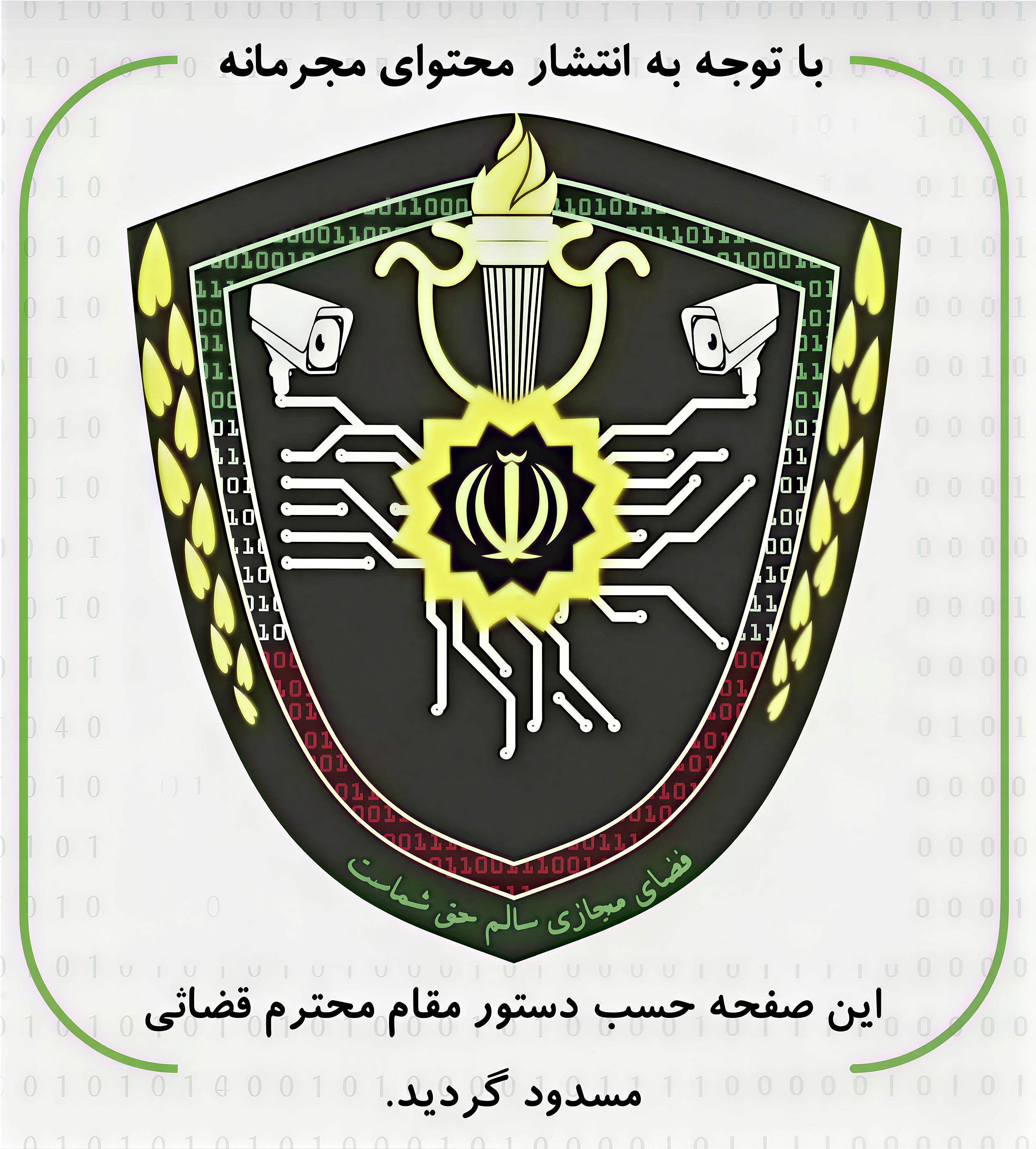
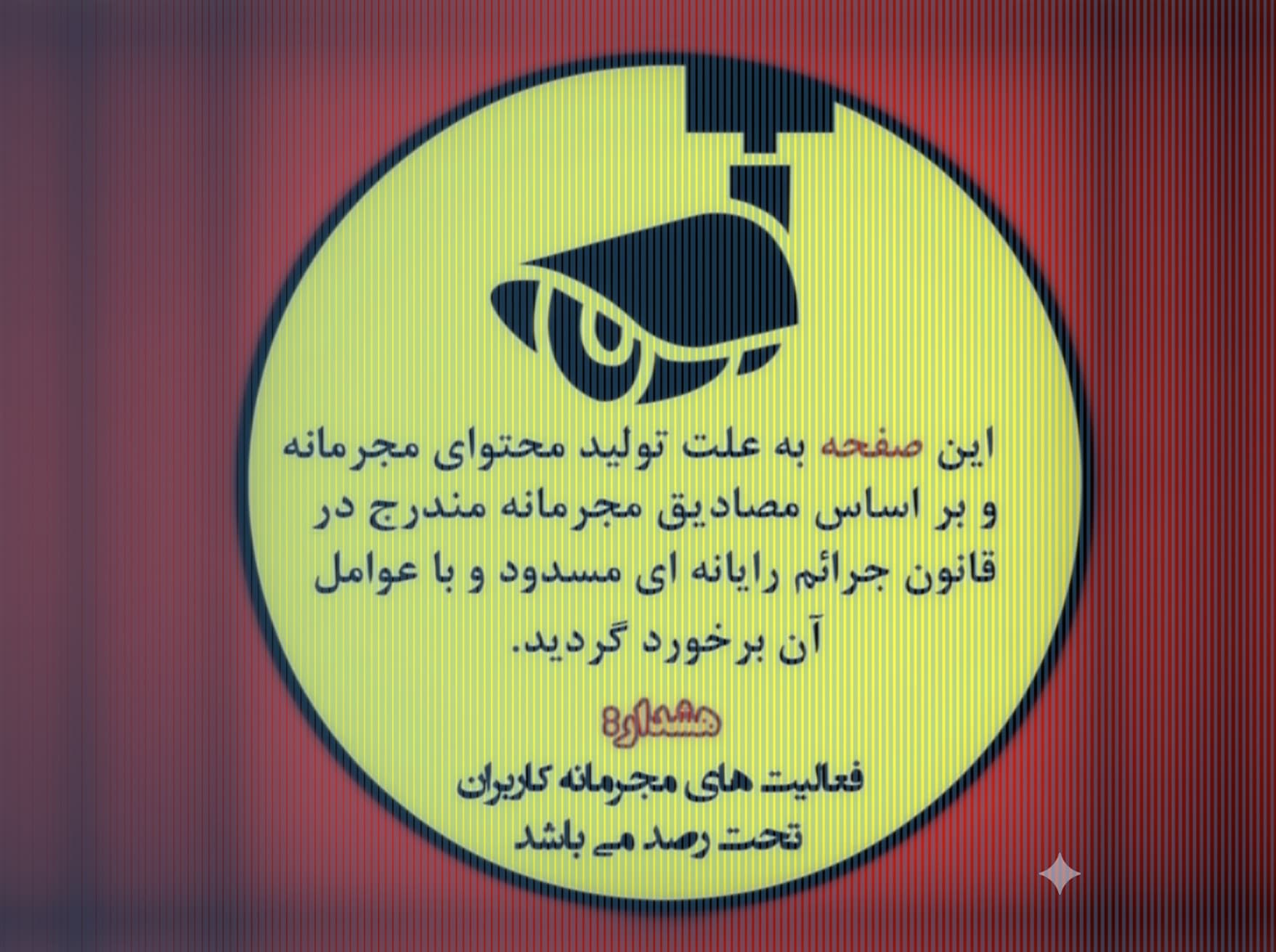
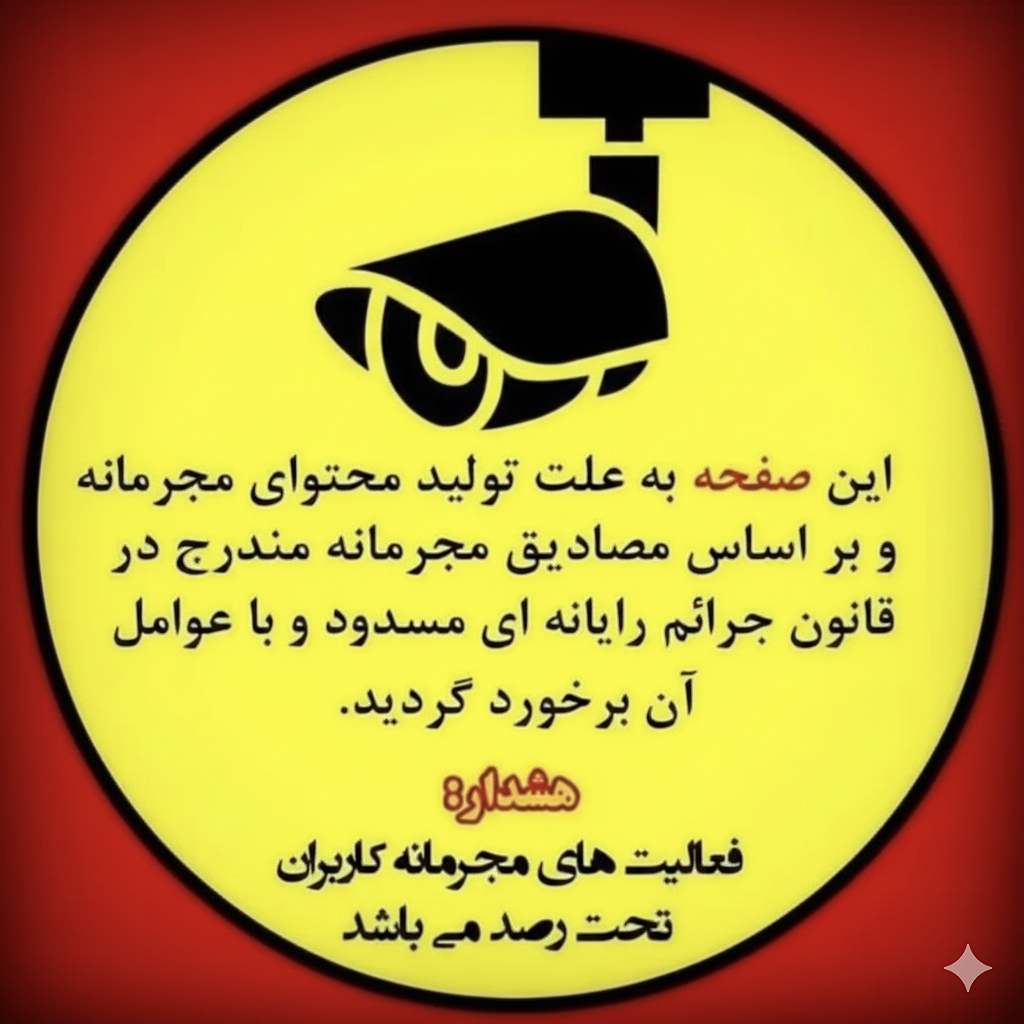
Since January 2022, Iran’s Cyber Morality Police has carried out an organized takedown campaign targeting the social media accounts of Iranian lifestyle and fashion bloggers who appear to promote Western aesthetics, language, commodities, and mannerisms. Once an account is seized, all visual content—including photos, videos, and highlight reels—is wiped and replaced with a standardized warning notice. These notices typically feature insignia reminiscent of paramilitary or security-service emblems, sometimes a bright yellow banner stamped with red “blocked” text, other times bordered by slogans such as “a healthy online space is your right,” and other times a lone illustration of a surveillance camera reinforcing an atmosphere of monitoring and control.
Today, thousands of ghost accounts populate Instagram, as enforcement has grown to target musicians, artists, makeup professionals, boutique ambassadors, service-sector workers, athletes, and dancers alike.
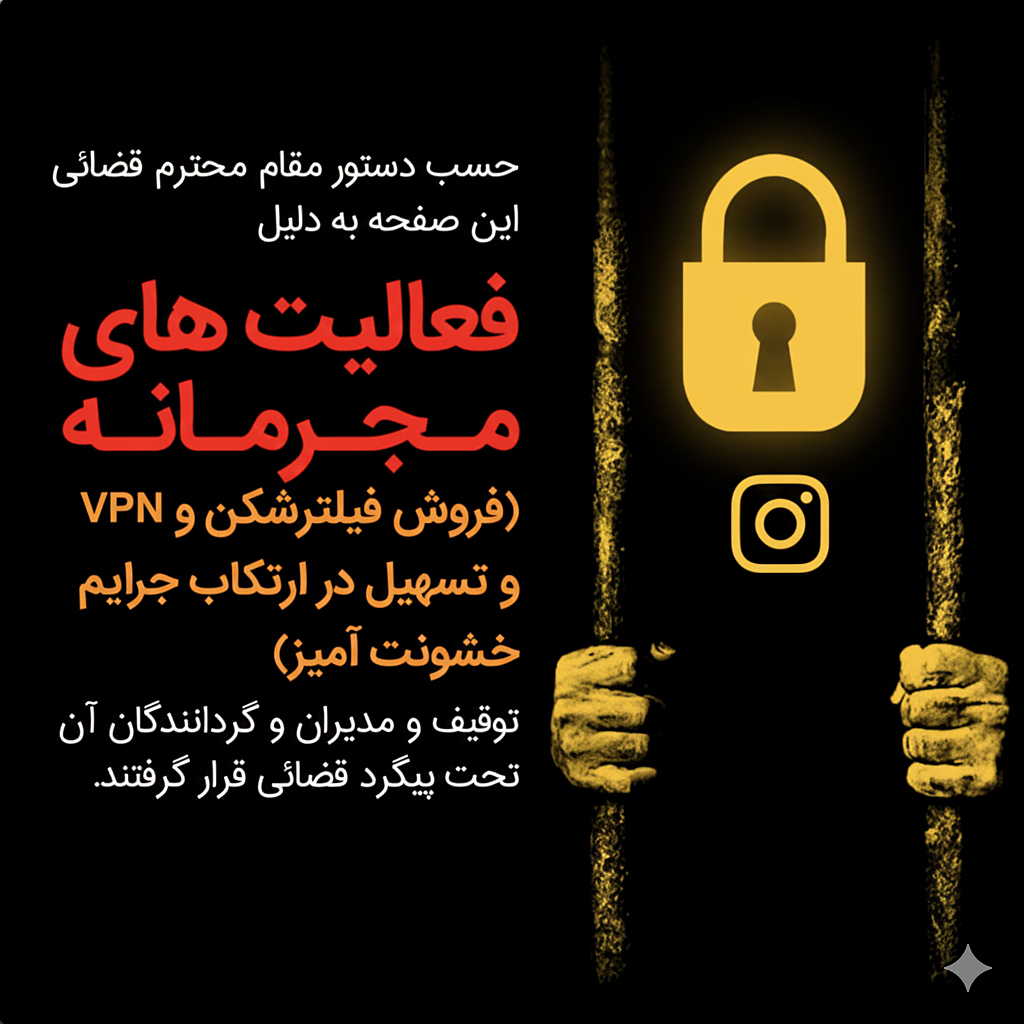
Having observed the confiscation of these accounts for over two years, I have noticed several patterns. Some accounts are permanently deleted, while others are reactivated but left inactive. Some accounts are restored but display in their bio the message: “🇮🇷 Follower of the Sacred System of the Islamic Republic 🇮🇷,” indicating compliance with the authorities rather than a strict return to normal activity. A smaller portion of accounts resurface as their content creators continue their work after having moved abroad, most being based in Turkey or Dubai. The majority, however, remain silenced in a state of ongoing confiscation.
In 2024, these censorship efforts expanded with the passing of a new law by the Islamic Republic imposing strict licensing requirements on online businesses, effectively incorporating digital commerce into the state’s formal regulatory framework by requiring registration, taxation of income, and compliance with government moral oversight. This has justified the FATA in suppressing businesses and public spaces such as cafes and restaurants, particularly those owned by Iranian women.
Women, who are structurally excluded from the formal economy, rely on sites like Instagram as a primary source of income. According to the Tehran-based Beta Research Center, more than two million Iranian businesses market products and services on Instagram, with 64 percent of these businesses owned by women—often operating beauty salons or offering services such as hair, makeup, nails, and clothing.
Shortly thereafter, many Instagram business accounts began displaying official government notices. One such notice features a green background with an official emblem at the top, framed by ribbon elements in the colors of the Iranian flag. The Farsi text on the notice states that effective immediately, any advertising by the beauty salon must comply with the rules, conditions, and laws set by the governmental authority responsible for supervising public places in Iran.
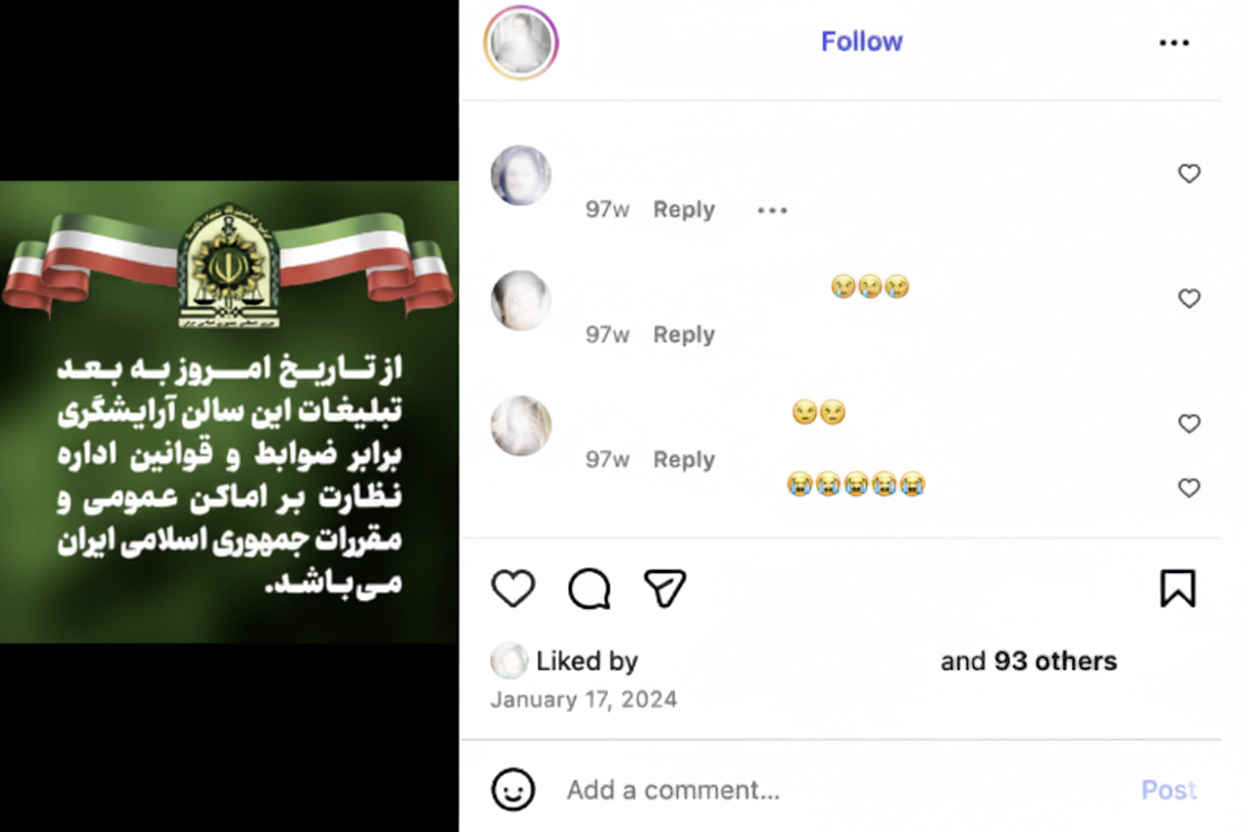
In some cases, posts surface from previously persecuted individuals. One blogger, now living in Dubai, wrote:
This post is dedicated to Mr. Hosseini, the Faraja police officer, judge, and prosecutor. For two years, my entire life and my family were under immense pressure. Even after I left Iran, you opened a new case against me, dragged my family to court, issued an absentee order, and denied me the right to see the colors of my own country—simply because I am a girl and I model, and according to you, I am not even allowed to work outside Iran! You caused me nights of tears and longing, and mornings where I woke up with the same tears.
I remember every second climbing the stairs of “hell” under your authority, being labeled as a criminal in front of my family. But here I am now, achieving what once felt impossible. But she continues, for freedom, for her country, for all the girls like her.
#Women_Life_Freedom
While the specific punitive measures used to enforce account confiscations and government notices remain unclear, what is evident is the degree of cruelty embedded in the process. The testimonies shared by those targeted reveal the emotional and psychological toll of these actions. One affected individual writes:
I posted this video for the people who came to call me a traitor.
You were never in my place to see what it’s like when, in your own country, you work hard for the job you love—striving to reach a good position—only for it all to be taken from you because of hijab.
They treated me like I was a criminal. They humiliated me. They brought my father to tears. You have no idea what they did to me and others like me. When I was detained, I kept saying: “God, I didn’t sell my body. I didn’t steal. I didn’t kill. I was earning honest money. Why should I be treated this way for a women’s profession? Why should we face so much violence? Why should I have to go to every judge, every official, and apologize for a job they considered “bad,” begging them to forgive me? 😔😢
It’s hard. Please don’t judge. 🙏
Of course I’m not a traitor—I love my country, just not this government. I love a free Iran. ❤️
Authoritarian regimes rely not only on coercion but also on fear. In Iran, fear no longer operates as submission to authority but as a dread of life under the regime itself. For many Iranians, the threat of Big Brother watching over them has become fuel for rejecting the values and ideals forced upon them. While Iran’s digital repression tactics may appear expansive and targeted, they reflect a costly effort of creating a perception of authority rather than operating as effective governance.
And so, while the cat-and-mouse game between the Islamic regime and dissent continues, one thing is certain: fear has become fuel for the fearless, and the Islamic Republic of Iran can no longer discipline a generation that carries the legacy of the Women, Life, Freedom movement.
Mobina Riazi is a master’s student in communications at Stanford University, with an emphasis on media studies. She earned her bachelor’s degree in political science, with a minor in Iranian studies, from Stanford University in 2025. Her research focuses on media, governance, and the law, with particular attention to digital repression and state power in authoritarian contexts.
Liberty Amplified features the voices of those who defy autocracy in pursuit of freedom as part of the Hoover Institution’s Human Security Project (HSP). Led by Lt. Gen. (Ret.) H.R. McMaster, senior fellow at the Hoover Institution and 26th assistant to the president for National Security Affairs, (HSP) pursues research, generates actionable insights, strategies, and tools for understanding how authoritarian regimes sustain power and how pro-democracy groups and like-minded allies can challenge those systems to advance liberty. HSP serves as an educational resource and tool for activists in-country and those externally, promoting freedom and democracy.