 Powered by

The most-favored nation (MFN) clause has been a long-standing cornerstone of the world trade system, enshrined in Article I of the General Agreement on Tariffs and Trade (GATT). The clause requires that countries not discriminate in the tariffs they impose on imports from other countries that are members of the GATT, or now the World Trade Organization (WTO). While adherence to the principle of nondiscrimination has never been absolute in practice, this core feature of the multilateral trade system was designed to ensure that countries receive equal treatment in world trade.
The future of the MFN principle is now in serious doubt. The United States, the European Union, and other parties are saying forthrightly that nondiscrimination is no longer an aspiration and should no longer be an important feature of the trade system. Such views represent a historic shift.
Should this questioning of MFN be viewed as evidence of a breakdown in the rules of the trading system or as a realistic acceptance of the new geopolitical realities of trade? Is its passing to be lamented, celebrated, or viewed with indifference?
An ideal from the founding era
The MFN clause has long been a part of US trade policy and the world trading system. In his Farewell Address (1796), President George Washington endorsed the idea of nondiscrimination in trade policy, stating: “Our commercial policy should hold an equal and impartial hand: neither seeking nor granting exclusive favors or preferences.”
For most of its history, the United States treated imports from all countries the same. It had a “single column” tariff code that applied a fixed set of duties to imports from all source countries on a nondiscriminatory basis. In return, the United States expected that other countries would not discriminate against it. The unconditional MFN clause was also a standard feature of European trade policy in the nineteenth century.
In the twentieth century, as the United States began to consider bargaining with other countries about tariff levels, the MFN clause was the subject of renewed debate. The main question came down to this: suppose two countries agreed to reduce tariffs on trade between them; should they be required to extend those tariff reductions to other trading partners? On the one hand, those other countries might have lower tariffs than the partner countries and not discriminate against them, suggesting they deserve equal treatment. On the other hand, automatically granting the tariff reduction to others would create a free-rider problem in which there was an incentive not to participate in trade negotiations but enjoy the benefits of others reducing their trade barriers.
This fundamental dilemma, which was really about the role of reciprocity in the system, has long bedeviled the MFN principle.
The alternative to unconditional MFN is conditional MFN, in which the tariff reductions negotiated between two countries would not be extended automatically to other trading partners. Conditional MFN would require some concessions by other countries for them to receive the benefit of the trade benefits negotiated by others.
The problem with conditional MFN is that tariff bargaining becomes extremely complicated, involving protracted bilateral negotiations with many other countries. If not extended to others, a trade agreement reached by two countries might create a new disadvantage for third parties. Some of those countries might already be treating American goods quite favorably and without discrimination, making them disinclined to make new concession. If those countries were harmed by the new disadvantages they faced, they might retaliate against the United States.
Thus, an active trade policy based on conditional MFN could produce a tariff schedule that was riddled with discriminatory provisions and exceptions across many countries, complicating the process of achieving economic efficiency and equality of market access.
An influential 1919 report by the Tariff Commission, Reciprocity and Commercial Treaties, made a strong case for unconditional MFN. The United States could not realistically set tariffs on a country-by-country basis because, as the commission’s report stated, “The separate and individual treatment of each case tends to create misunderstandings and friction with countries which, though supposed to be not concerned, yet are in reality much concerned.” The commission endorsed the idea of unconditional MFN, which the United States formally adopted in 1924, codifying what had been its longstanding practice.
Nondiscrimination in practice
The US interest in establishing nondiscrimination as a bedrock principle of trade policy deepened in the 1930s. After enacting the Smoot-Hawley tariff of 1930, the United States faced retaliation by other countries, and they began discriminating against US exports.
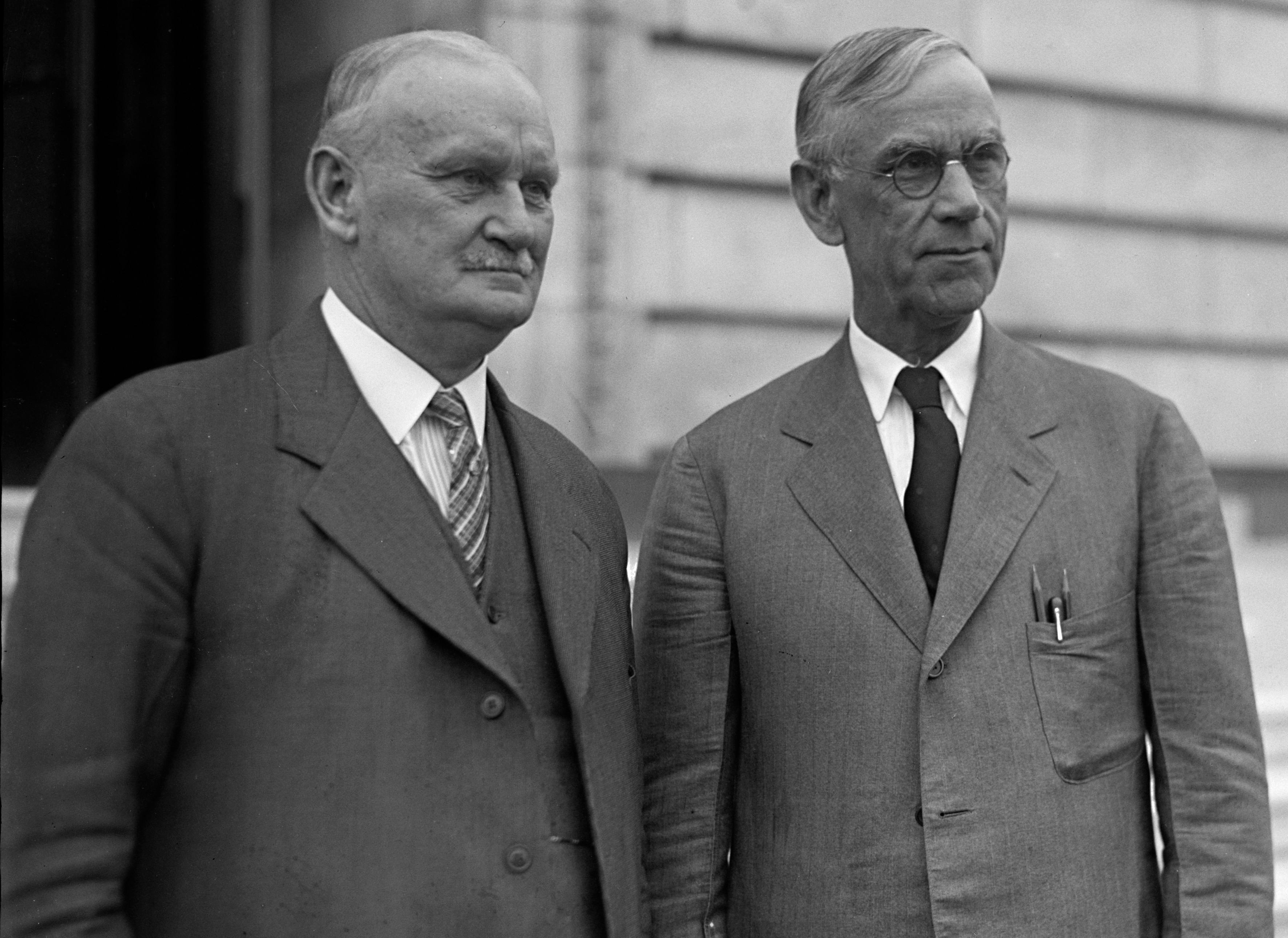
In particular, Britain and its Commonwealth partners adopted Imperial Preference, which promoted intra-bloc trade by reducing tariffs on within-group trade and levying higher tariffs on other countries, such as the United States. The United States found itself facing higher barriers in foreign markets, which reduced its share of world commerce and hindered its recovery from the Great Depression.
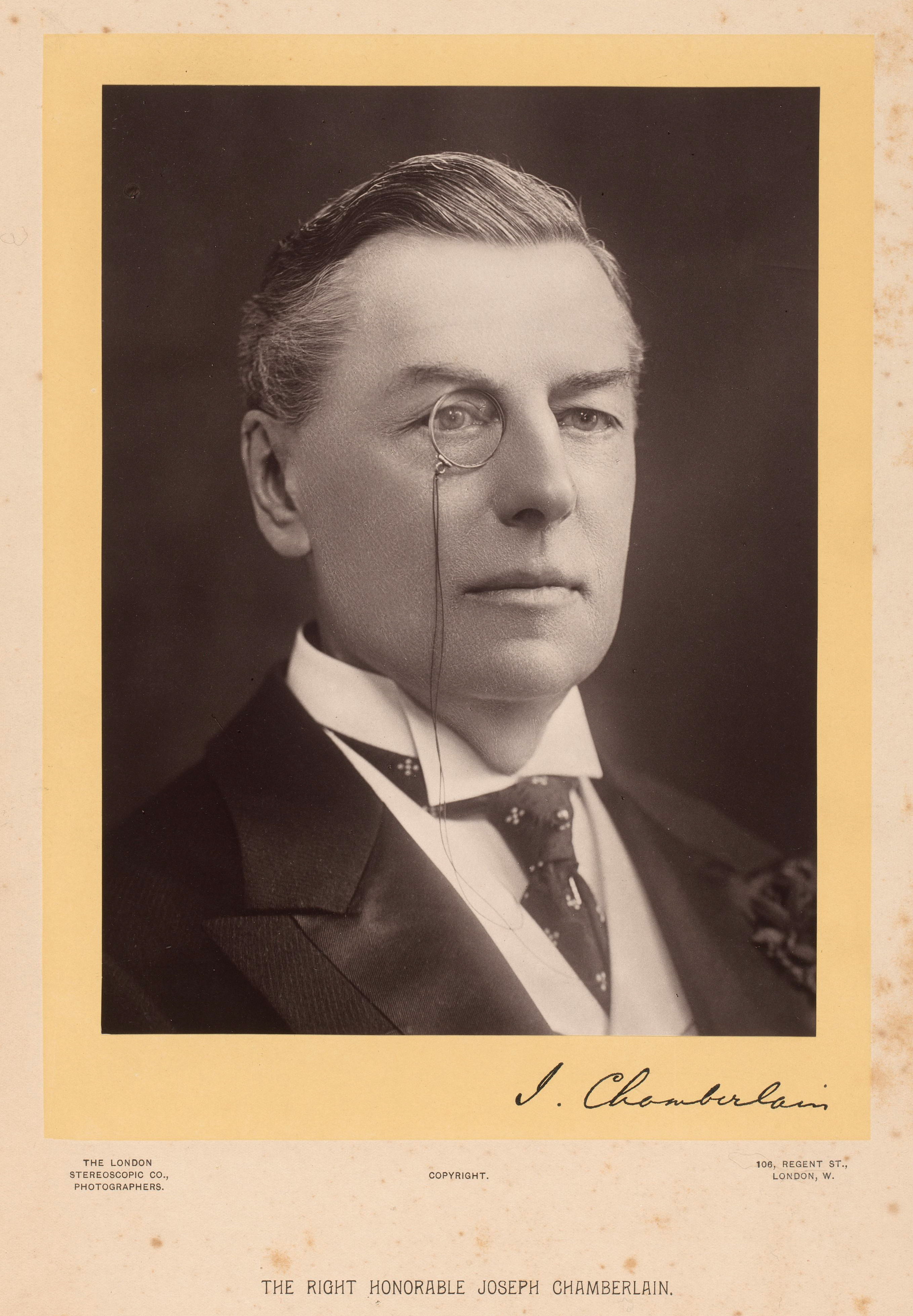
A major goal of US trade policy in the 1930s and 1940s was to eliminate these discriminatory policies against the United States and enable its farm and factory producers to enjoy equal access to the markets of the world.
For this reason, the United States insisted that the MFN clause be a cornerstone of the GATT, the postwar trade arrangement negotiated in 1947. The United States did not discriminate against other countries, and it did not want other countries to discriminate against it.
Under the GATT, unconditional MFN worked well. Robert Staiger, the chief economist of the WTO, has argued that the MFN principle simplifies bargaining across countries and preserves the value of negotiated concessions for all parties. Empirical studies have shown that nondiscriminatory policies through the GATT and WTO have been partly responsible for the large increase in world trade in recent decades.
Of course, there have always been exceptions. Under Article XXIV of the GATT, countries that signed free trade agreements or formed customs unions—such as the European Economic Community in 1958, a forerunner of the current European Union—were permitted to eliminate tariffs with one another and not extend those tariff cuts to other GATT participants.
In the 1990s, the United States and other countries began to sign free trade agreements and establish regional trade arrangements, which created preferences for the participants and technically violated MFN and yet were still permissible. Developed countries also gave trade preferences (special tariff reductions or waivers) in some goods to help developing countries expand their exports. Antidumping and countervailing duties could also be assessed against particular countries. And during the Cold War, the United States and its allies discriminated against trade with communist countries, which was acceptable under trade law because most of them were not members of the GATT.
All these policies diluted the importance of the MFN clause or allowed countries to discriminate against one another, but they were never considered major or illegitimate breaches to the system.
As a principle, unconditional MFN was never seriously questioned during the period when the GATT was dominated by the United States, Western Europe, and other market-oriented democracies such as Japan, Australia, and others. With the creation of the WTO in 1995, however, the membership and obligations of trading system expanded tremendously. This has made reaching new agreements more difficult, if not impossible, and made reciprocity harder to achieve.
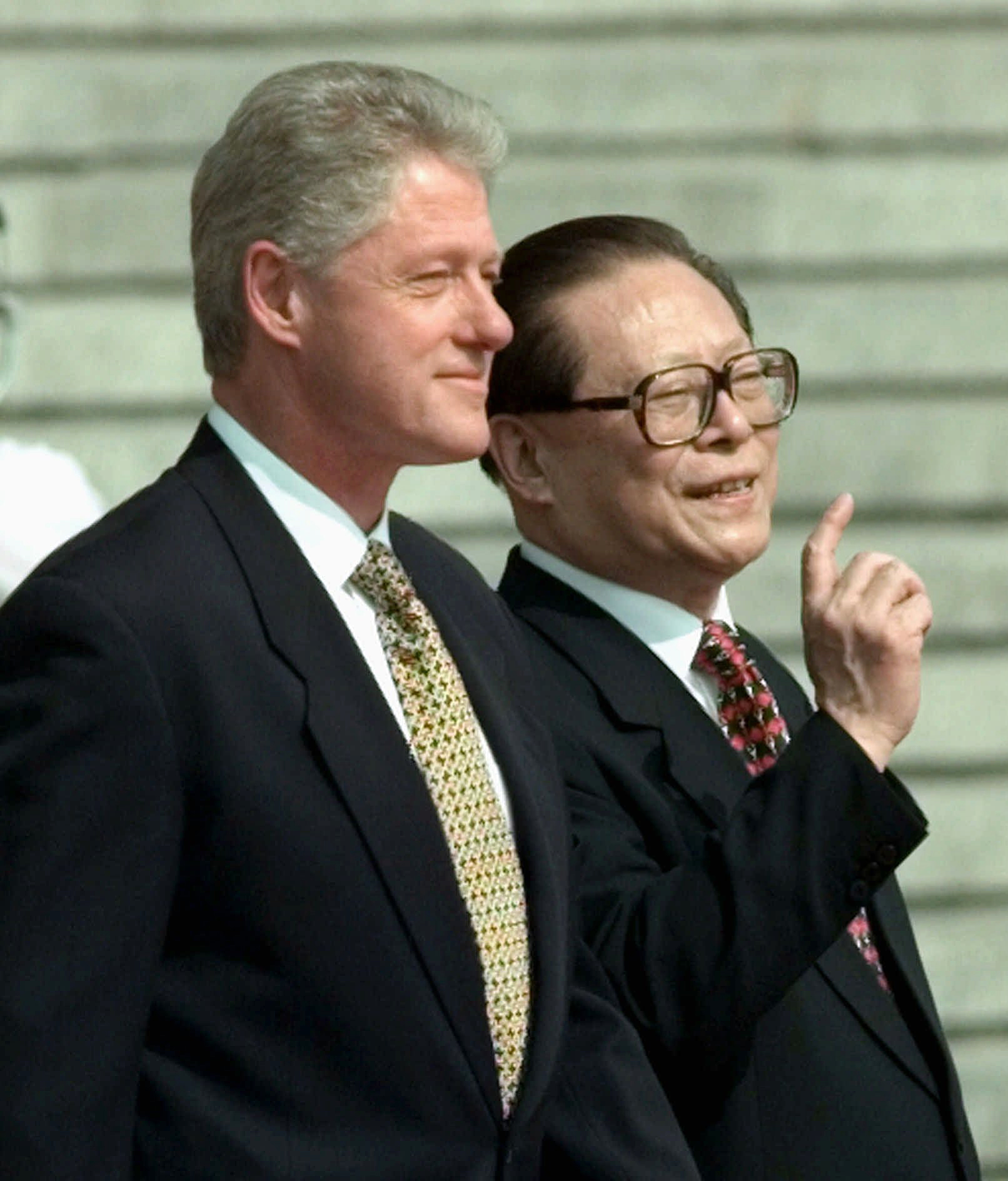
China’s accession to the WTO in 2001 proved to be a major change. The reason it was so significant for the United States to grant permanent normalized trade relations (PNTR) to China in 1999, paving the way for its accession, was that countries could no longer discriminate against it. China made significant trade policy commitments to gain entry into the WTO, and there is no reason to second-guess the decision to grant PNTR based on the information available at the time. However, China’s economic rise and its non-transparent, market-distorting policies, especially since the 2010s when its industrial policy efforts were intensified, have created enormous tensions for the world trading system.
MFN today
Even before the Trump administration took office, the MFN principle was facing increased scrutiny. In particular, the US conflict with China over its economic model—as a non-market economy replete with subsidies, industrial policies, and state-owned enterprises—made it increasingly difficult for the United States to continue to accept imports from China on an MFN basis. The United States tried to address China’s trade practices through sector specific actions, such as bringing individual cases at the WTO or imposing antidumping and countervailing duties on specific imports. But these piecemeal actions were constrained by WTO rules that prevented the United States from treating China differently from other WTO members, such as by withdrawing MFN treatment and erecting a higher general tariff against it.
In its first term, the Trump administration abandoned the WTO dispute settlement approach and employed Section 301 of the Trade Act of 1974 to impose tariffs against many goods from China. That statute allows the United States to determine unilaterally if other countries (China in this case) were discriminating against it and impose higher tariffs as a result. This was the first US attempt to treat China differently from other WTO members and was a big step away from the MFN rule.
In its second term, the Trump administration completely blew up the MFN clause by announcing the “Liberation Day” tariffs in April 2025. The United States imposed different tariff rates on different countries—a blatant violation of Article I of the GATT and its commitment to tariff bindings under existing trade agreements.
The United States could have imposed duties on countries such as China as a special case without renouncing nondiscrimination completely, continuing to treat favorably countries with which it had free trade agreements. That was a path that the great University of Chicago economist Jacob Viner suggested as a way of addressing the problem of countries that deviated from the rules. In his view, the remedy for such a situation “is to be found not in the abolition, among the countries which do extend to each other reasonable . . . tariff treatment, of equality of treatment with all its mutual advantages, but in withdrawing from most-favored-nation obligations towards countries whose tariffs are regarded as going beyond reasonable limits.”
The United States chose a different path: shredding MFN with all trading partners.
In February 2026, the Supreme Court held that these “Liberation Day” tariffs had been imposed illegally as a matter of domestic law. Although the tariffs were rescinded, the administration replaced them with a 10 percent across-the-board tariff under the authority of Section 122 of the Trade Act of 1974. These tariffs are time-limited and have been subject to court challenge. The administration has indicated it will replace these nondiscriminatory tariffs with discriminatory tariffs under Section 301 in mid-2026.
When the world’s largest economy begins departing from a key precept of the trading system, other countries begin to feel free to follow. Consequently, the share of world trade that takes place on an MFN basis, tracked by the WTO, has been declining. In January 2025, the WTO reported that 83 percent of world trade was on MFN basis. In July, the WTO stated that 74 percent of world trade was on MFN terms. In October, Ngozi Okonjo-Iweala, the director-general of the WTO, indicated that just 72 percent of world trade was on an MFN basis, where it remained in February 2026.
Arguments of unfairness
MFN is now up for debate in the context of WTO reform. What do the leading WTO stakeholders think about this development?
The United States, for its part, is apparently willing to abandon MFN entirely. In a December 2025 submission on WTO reform, the United States held that “the MFN principle, which seeks to prevent discriminatory trade practices and promote equal treatment among trade partners, was designed for an era of deepening convergence among trading partners” when countries were expected to adopt market-oriented policies. “That expectation was naïve, and that era has passed.”
The US argument continued: “The MFN principle is not just unsuitable for this era; it prevents countries from optimizing their trade relationships in ways that would benefit each party in that relationship. Put differently, MFN impedes welfare-enhancing liberalization. . . . It is time to recognize the necessity of allowing all Members to enter into mutually beneficial agreements that may not extend to every Member.”
In a March 2026 follow-up submission, the United States explained that a “maximalist” view of sanctity of unconditional MFN “fails to promote reciprocity and balance within today’s trading system.”
Despite MFN being the de jure principle of the trading system, the de facto reality is quite different, the United States maintained: the trading system is “profoundly unlevel and rife with unfair and non-reciprocal treatment of US goods and services.” Consequently, “the MFN principle has consistently failed to prevent discriminatory trade practices and promote equal treatment.” Therefore, the argument continues, the world trade system cannot function with “unqualified adherence to the unconditional MFN principle.” Countries need to have the flexibility to adjust tariffs “in response to threats to their economies, including from countries that run persistent and large surpluses or drive imbalances by building and maintaining overcapacity.”
The European Union, in its January 2026 submission on WTO reform, does not advocate jettisoning MFN completely, but it is open to weakening it through plurilateral agreements. Those agreements would involve a subset of the WTO membership that wants to reach an agreement on some matter and bypass others that might veto such an agreement.
Maroš Šefčovič, the EU commissioner for trade and economic security, has questioned the MFN principle more bluntly. Writing in the Financial Times, he argues that some WTO member countries “have dramatically expanded their share of global trade while keeping their markets largely closed.” He complains that “state support for industries and other non-market polices have multiplied, distorting competition on a global scale” and resulting in “structural trade imbalances and chronic overcapacities.” While he does not mention China by name, it is clear which country he is referring to. “To ensure fairness we need to address asymmetries among members in market openness and a commitment to fair competition.”
Šefčovič continues: “We must also rethink how the ‘most favored nation’ principle functions and whether the current balance of rights and obligations remains fit for purpose.” While agreeing that the MFN principle remains “indispensable,” he asks whether “it has become a straightjacket that cements the status quo and enables free riding.” Therefore, he concludes, “we need a frank discussion on the link between MFN status and reciprocity. . . . Access to lower tariffs cannot be unconditional: it must be earned.”
More than a “useful fiction”
The principle of nondiscrimination through the MFN clause was always more of an aspiration than a reality. Nondiscrimination may have been a “useful fiction” of the post–World War II and post–Cold War era, as Canadian Prime Minister Mark Carney recently put it at Davos. But MFN should not be abandoned casually: nondiscrimination is consistent with economic efficiency, and the return of discriminatory trade policies means the loss of some efficiency in the trading system.
For all the American complaints about the lack of reciprocity in the trading system, most of those complaints have to do with one country: China. The US granting of PNTR to China in 1999 was predicated on its moving toward a more market-oriented, legally transparent regime, which unfortunately did not appear. Indeed, the direction of China’s policy shifted significantly towards a more statist approach after the global financial crisis of 2009. Just as the European Union had difficulty dealing with the breach of norms by Hungary under former prime minister Viktor Orbán, since there is no mechanism to revoke EU membership, the United States cannot deal effectively with China within the WTO.
The WTO does not allow members to discriminate against each other on national security or other grounds in a systematic way.
As the legal scholar Petros Mavroidis has observed: “Economic security is the revealed preference of the world trading community, and this by construction implies trade should be conducted with countries that represent no threat to the attainment of this objective. The WTO, as is, makes no room for that.” This is an important reason why the United States is bypassing the WTO and is dismissive of its rules and norms.
Once again, Jacob Viner was characteristically wise in his realistic assessment of the MFN clause. “The unconditional most-favored-nation pledge is far from being a universal remedy for the ills which beset international economic relations, and for the most serious of them, exaggerated tariffs [by others], it affords no relief whatsoever,” he noted. At the same time, the “guarantee of equality of treatment . . . is a valuable contribution to both economic prosperity and international goodwill, and in an age when such contributions are exceedingly rare in the field of commercial policy, there should be serious hesitation before anything is done which in any way impairs the strength of the guarantee.”
Douglas A. Irwin is John French Professor in Economics and co-director of the Political Economy Project at Dartmouth College. He is the author of Clashing Over Commerce: A History of US Trade Policy (University of Chicago Press, 2017).