 Powered by
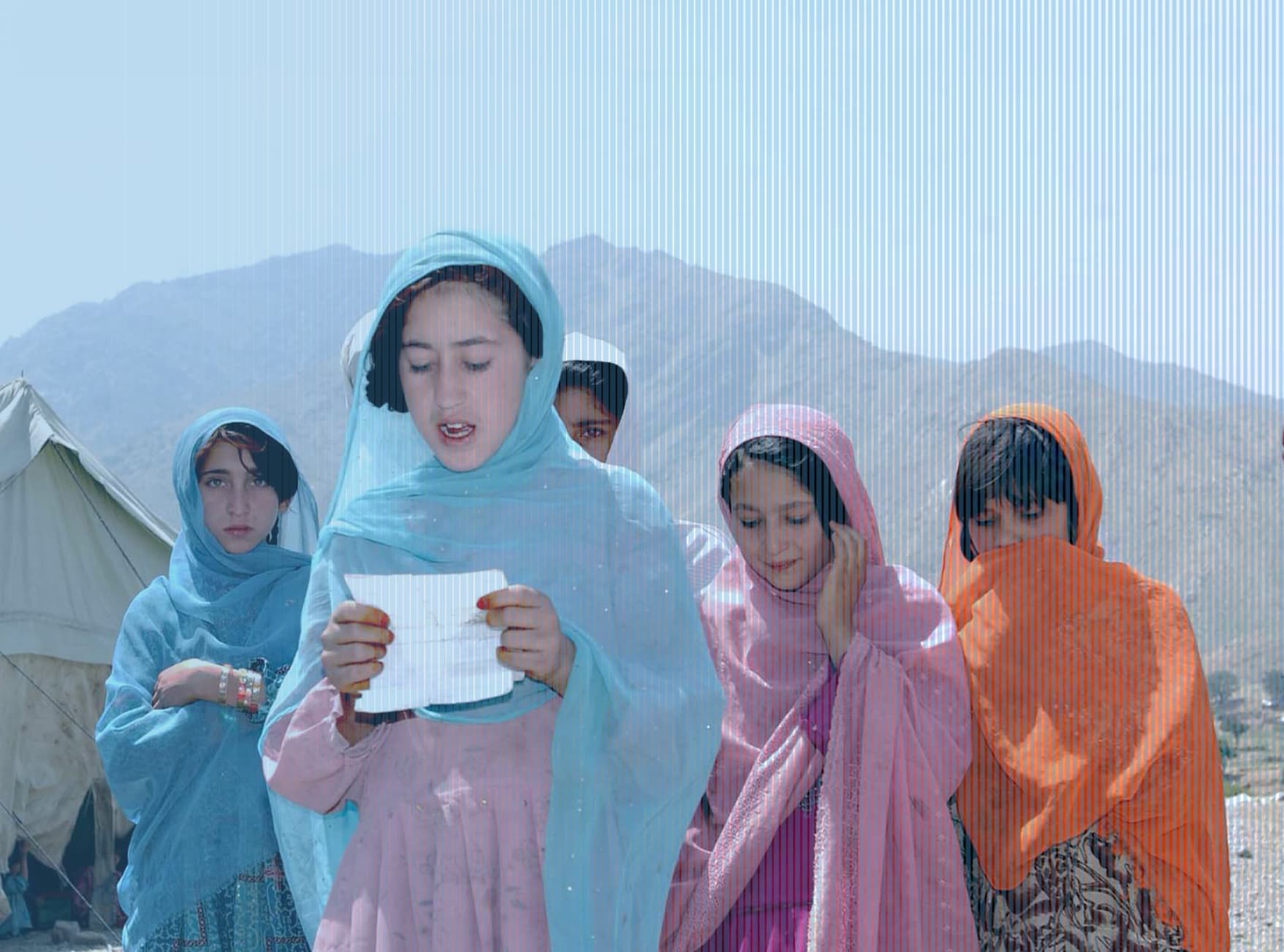
This article is part of Liberty Amplified, a series produced in partnership with the Hoover Institution’s Human Security Project and the Hoover Institution Library & Archives, featuring voices that challenge authoritarianism in pursuit of freedom.
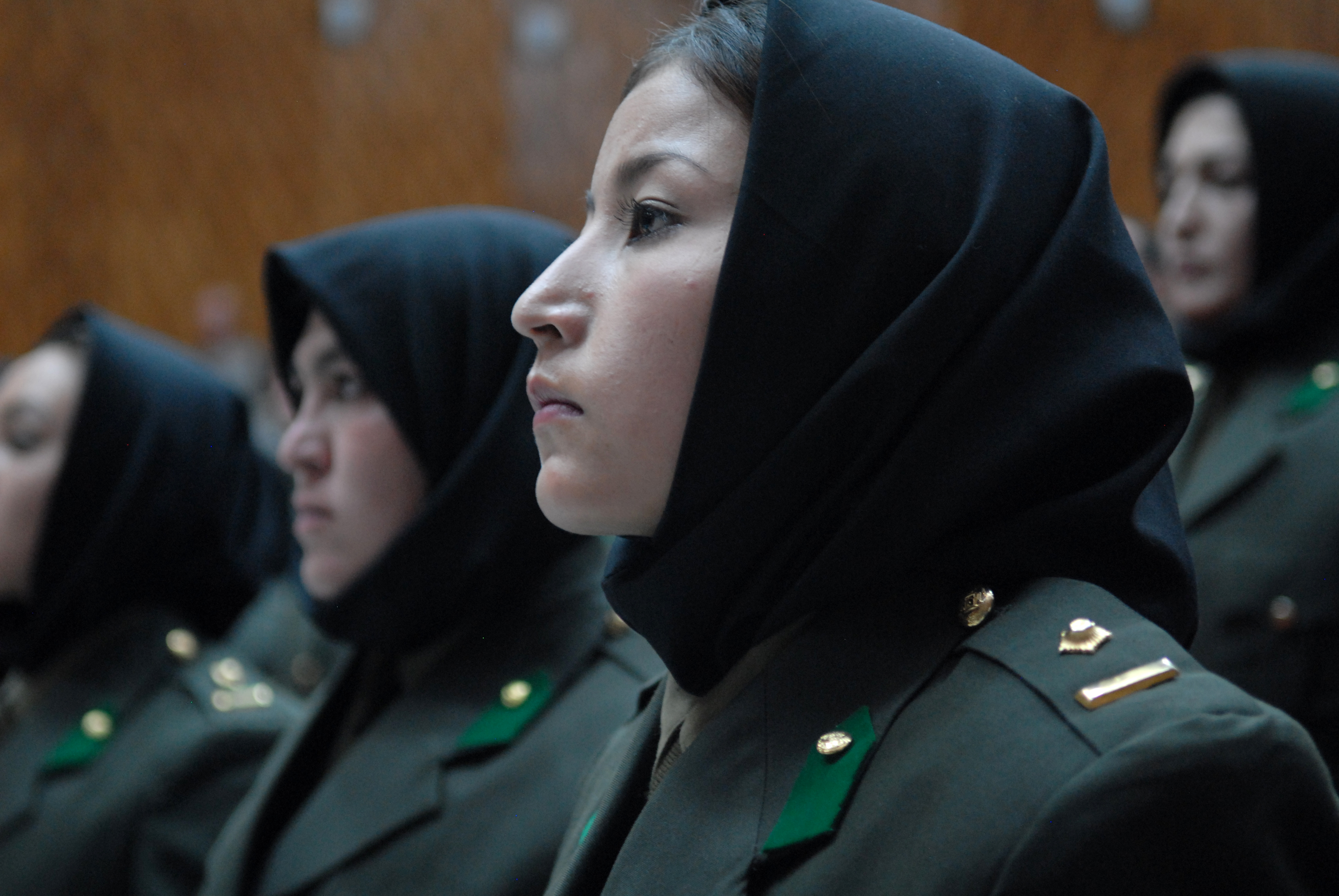
After six months of intense military training, I was ready for my first night mission. I checked my equipment, put on my armor, adjusted my night-vision goggles, and picked up my weapon. Along with other soldiers, I boarded a Chinook helicopter and headed toward one of the remote villages in Afghanistan under Taliban influence. The goal of the operation was to arrest a Taliban commander in his home.
My responsibility was to speak with and interview women and children.
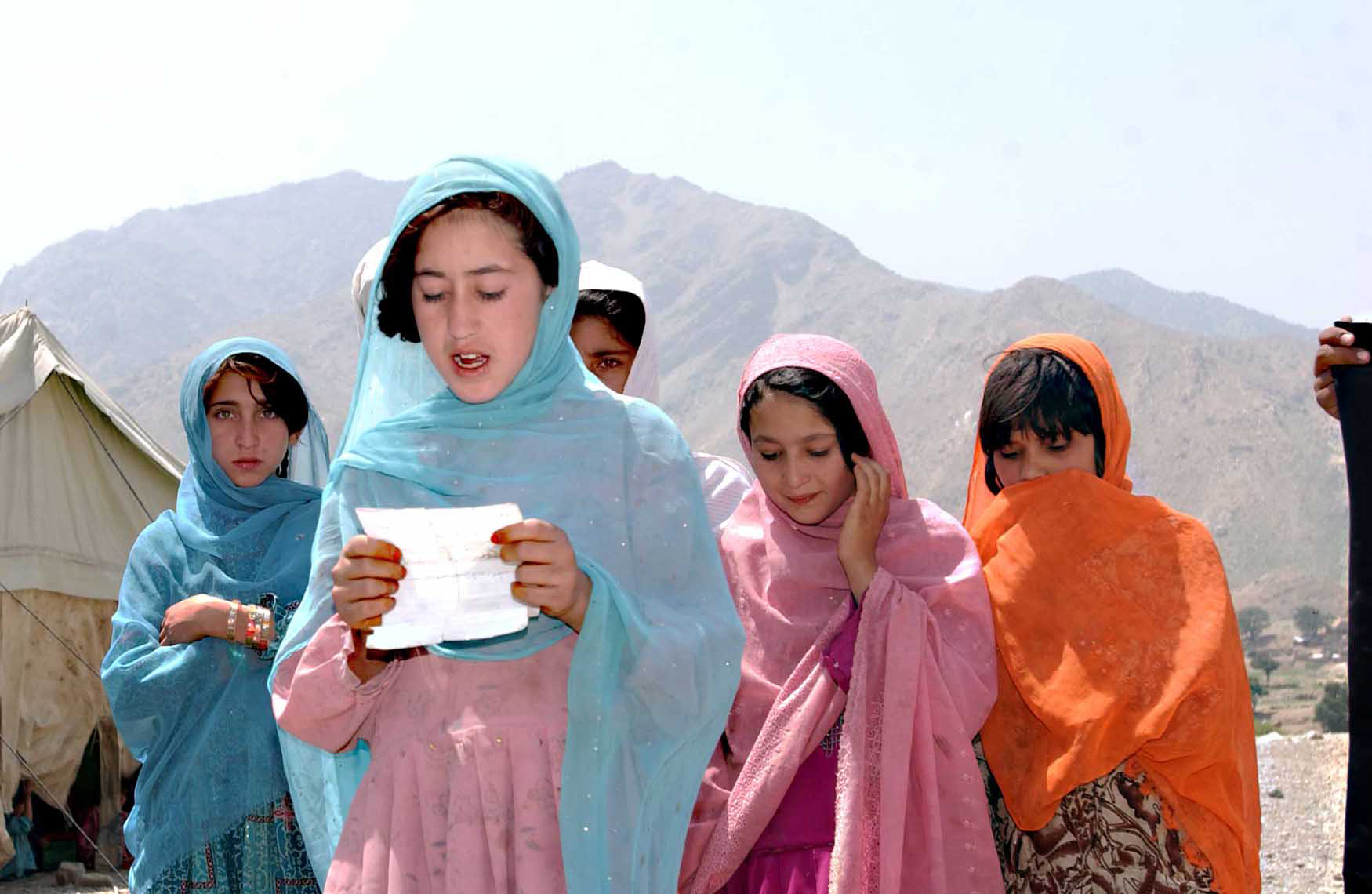
When I entered the mud-brick room where the women and children were gathered, the flashlight beam fell on the clay walls, slightly illuminating the dark space. In those first moments, I realized that many of the women and girls were illiterate and had never been to school. For them, education was not a right, but an unfamiliar concept.
Among them stood a girl about eleven years old. She kept staring at me, watching me closely the entire time.
After I began speaking with her, she suddenly asked, “Are you really a woman?”
I was taken aback by the question.
It was not a simple question—for either of us.
For her, women do not wear uniforms. Women do not take part in military operations. Women do not leave the house without a male guardian. Everything she understood about womanhood came from the world she had grown up in.
I said, “Yes, I am a woman.”
That sentence stayed in the room with her, but her question stayed with me.
At first, I thought this was just an isolated case. But in later missions, in other villages, the same reality kept repeating itself. Girls deprived of education and women not allowed to work outside the home—communities where girls’ education was considered unnecessary or even undesirable.
I knew a different world in Kabul, so understanding this difference was not easy. I lived in a city where women studied at universities, worked in government offices, appeared in the media, and even served in the security forces.
But just a few hours away, in areas under Taliban control, girls were living completely different futures.
During another mission, while speaking with a young girl, I was taking notes in my notebook. She stared at it for a while and then asked with curiosity.
“You write?”
“Yes,” I said. “Don’t you write?”
She replied, “No, I am a girl.”
I said, “Look, I am a girl too, but I write.”
She did not respond and simply looked at me with innocence. After that, I said nothing more. I just let her think about what she had heard.
That conversation was short, but unforgettable. She was not expressing inability; she was repeating something she had been taught again and again: that writing, learning, and dreaming are not for girls.
Gradually, in every mission, I spent more time speaking with women and girls. I asked about their lives, their dreams, and whether they had ever been to school. The answers were usually the same: “No,” “We are not allowed,” “There is no school in our village,” or “There are no female teachers.”
One question kept repeating itself in my mind: if these girls had been given the chance, who would they have become?
Doctors? Teachers? Writers? Or simply people who had the right to choose?
But before they even had the chance to imagine a future, their futures had already been decided.
Years later, when peace negotiations between the Taliban and the United States were under way, many hoped Afghanistan was entering a new chapter. Taliban representatives and their supporters repeatedly spoke of change. It was said that the Taliban were different from the 1990s and that girls would still have access to education.
I wanted to believe it, but I had seen those villages.
Every time I heard about the “new Taliban,” I remembered the girls who had never been to school, and I remembered the girl who believed writing was only for boys. The gap between what was said in negotiations and what I had witnessed on the ground was too wide.
With the fall of the Afghan Republic in 2021, many of those concerns became real. Girls were deprived of secondary education and later university. Women were pushed out of many jobs. Severe restrictions were imposed on their public presence and freedom of movement.
But Afghan women did not remain silent.
In the first weeks and months after the fall of Kabul, women took to the streets in different cities, chanting “education, work, freedom.” These protests emerged in an atmosphere of fear and repression. Many protesters were arrested, threatened, or forced into silence, but the voice that had been created did not disappear.
These protests revealed an important truth: Afghan women were not willing to give up their rights without resistance. They stood in the streets, in online classrooms, in writing their stories, and in holding onto a hope that was meant to be erased.
Alongside them, Afghan women in exile also became one of the most important voices defending women’s rights. They spoke in media, universities, human rights organizations, and international forums about what was happening to women inside Afghanistan. Despite being far from their homeland, many still felt responsible for giving voice to those who could not speak freely.
Among all these events, one moment carried special meaning for me: the protests in Herat.
For years, Afghan women had largely carried the burden of resistance alone. So, seeing men stand alongside women in the streets to defend their right to education and freedom was significant. It signaled that the issue of women was no longer only a women’s issue.
Even now, whenever I hear about new laws restricting women or the arrest of a female protester, my mind returns to those mud-brick rooms. To that girl.
The girl who asked, “Are you really a woman?”
I do not know where she is today.
I do not know whether she ever had the chance to go to school.
I do not know whether she can read or write today.
But I know she was not just a girl in a remote village. She was the symbol of millions of girls whose futures were decided before they ever had the chance to choose.
That day I thought I had answered her question.
Today I know she was asking something much larger: a question about who has the right to learn, who has the right to dream, and who has the right to choose their future.
This story will not end until no girl in Afghanistan must ever explain why she wants to write or dream.
Mahnaz Akbari's testimony is part of the Hoover Afghanistan Research and Relief Team (HART) Oral History Project, the first large-scale oral history collection commissioned by the Hoover Institution Library & Archives. The archive documents the U.S.-Afghan war, its aftermath, and the decades of Afghan history that shaped it. It includes firsthand accounts political and military leaders, exiled Afghans, and the women so often left out of the official record. Akbari was among the narrators who spoke at the project's public launch at Hoover in April 2026.
Mahnaz Akbari is a former commander of the first Female Tactical Platoon (FTP) in Afghanistan. From 2011 to 2021, she served alongside Afghan and US special forces, participating in missions that focused on gathering intelligence and ensuring cultural sensitivity during military operations. After the fall of Afghanistan, she relocated to the United States and dedicated herself to advocating for the members of the FTPs. She is among the founders of NXT Mission, an organization that supports former FTP members and helps them find new opportunities.
Liberty Amplified features the voices of those who defy autocracy in pursuit of freedom. It is produced in partnership with the Hoover Institution’s Human Security Project and the Hoover Institution Library & Archives.