 Powered by
This article is part of Liberty Amplified, a series produced in partnership with the Hoover Institution’s Human Security Project, featuring voices that challenge authoritarianism in pursuit of freedom.
In March of 2022, gangs killed eighty-seven people, seemingly at random, in El Salvador. Back then, the country’s two main gangs, Barrio 18 and MS-13, controlled many neighborhoods around El Salvador, extorted small and medium businesses for money, and engaged in violent acts, including murders.
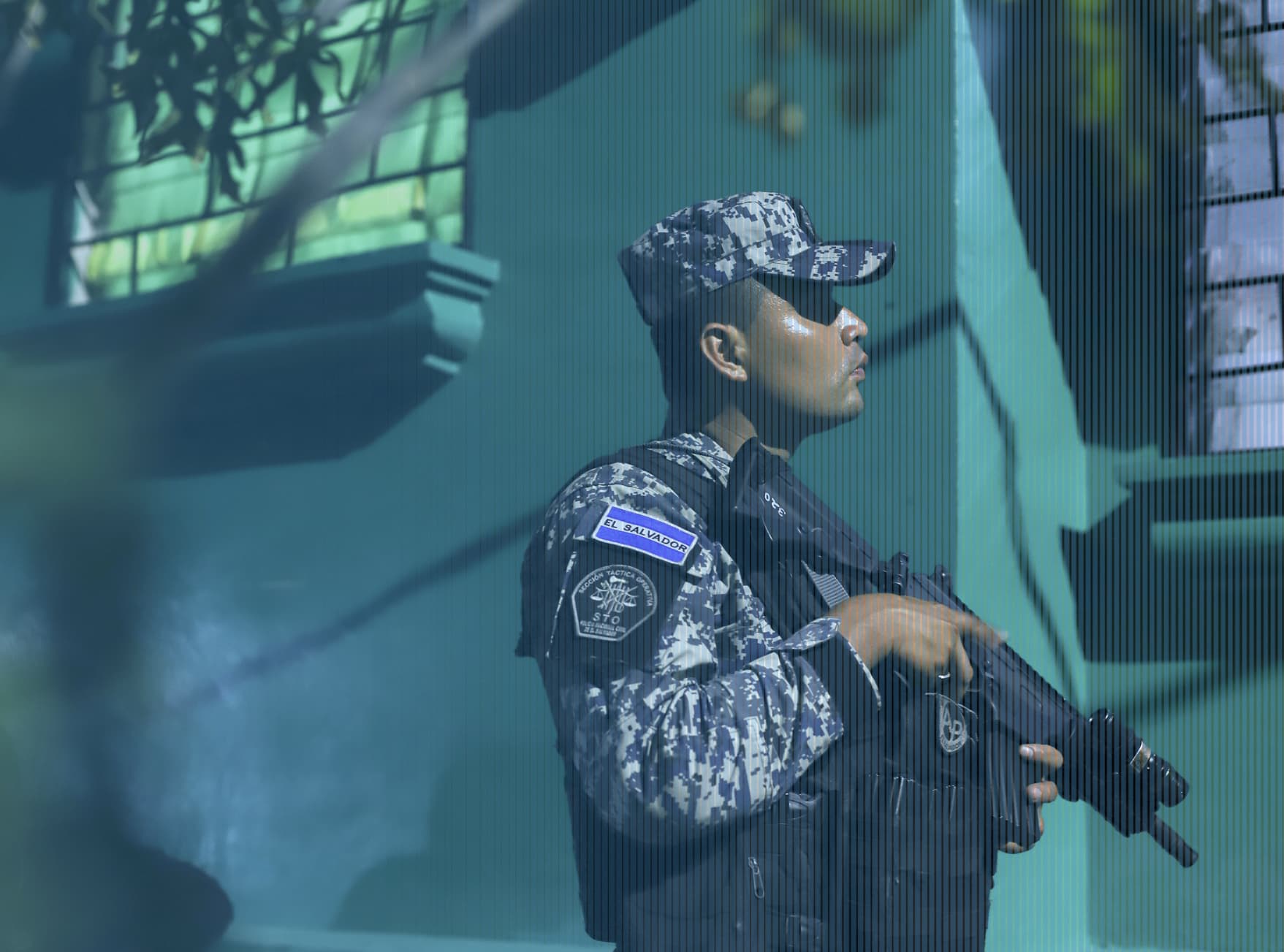
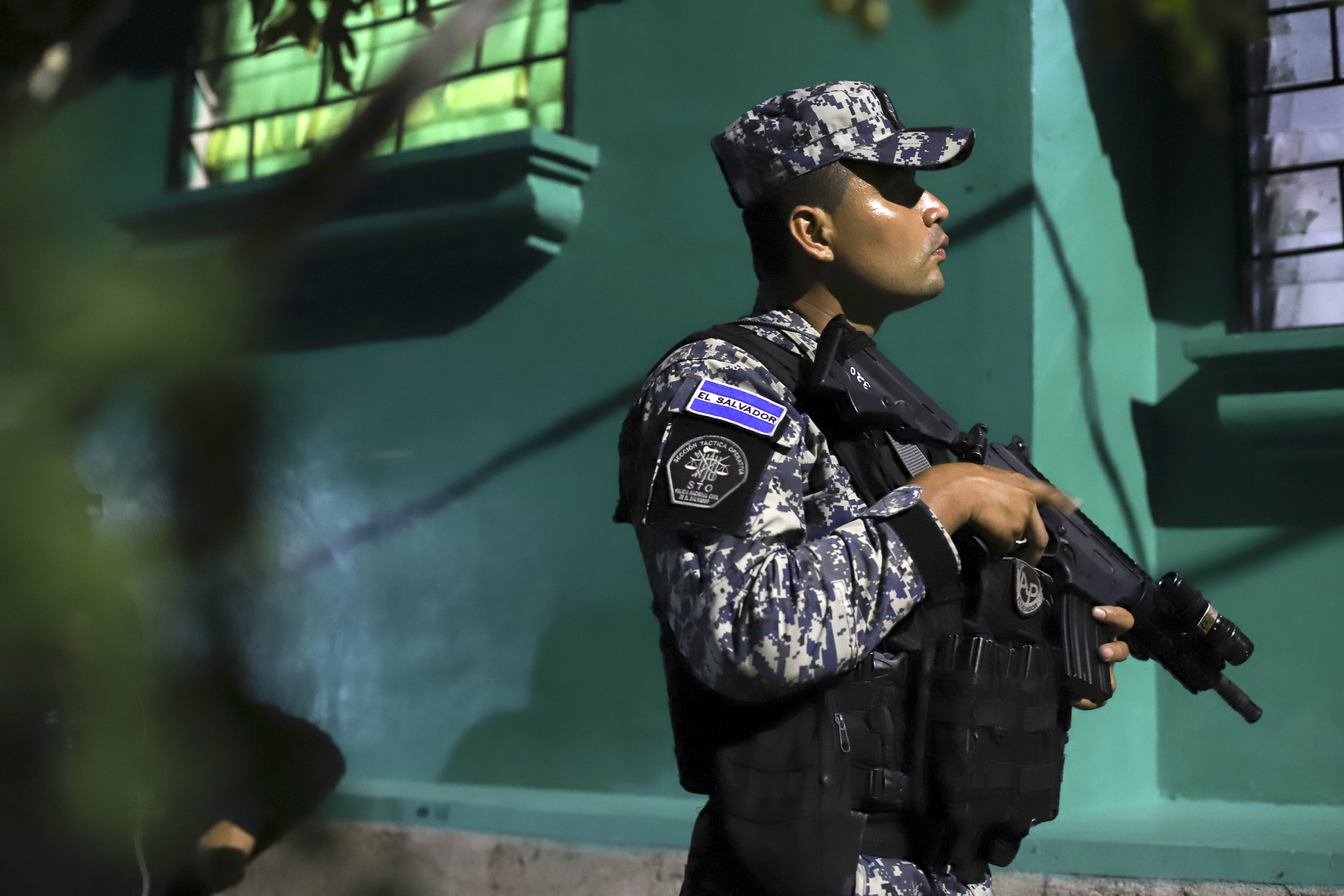
President Nayib Bukele’s government responded by declaring a régimen de excepción (state of emergency), suspending civil rights such as access to legal counsel, a speedy trial, freedom of association, and arrest warrants signed by judges. The measures allowed the government to conduct mass arrests, essentially dismantling gangs in less than a year. The president became immensely popular at home and around Latin America.
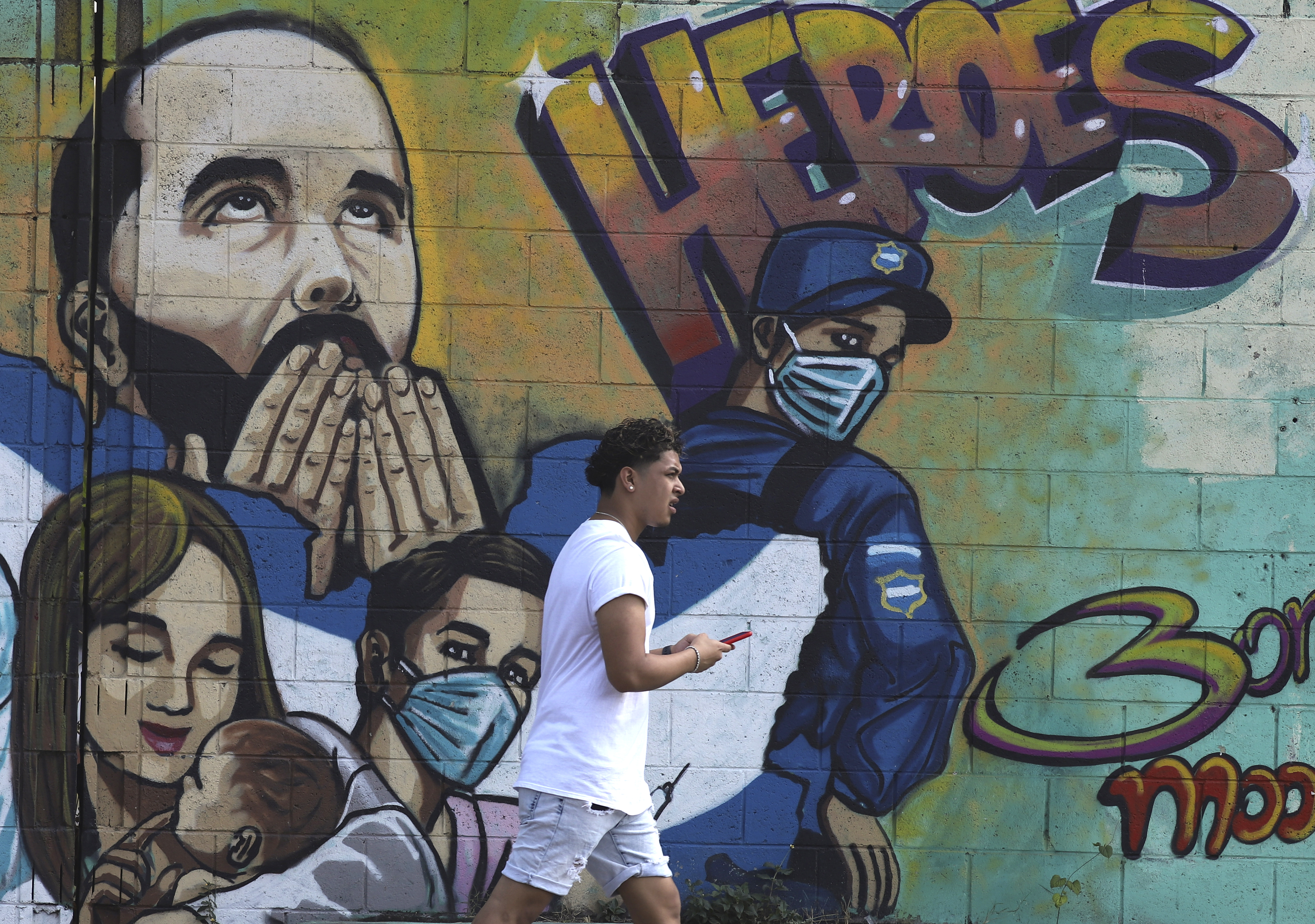
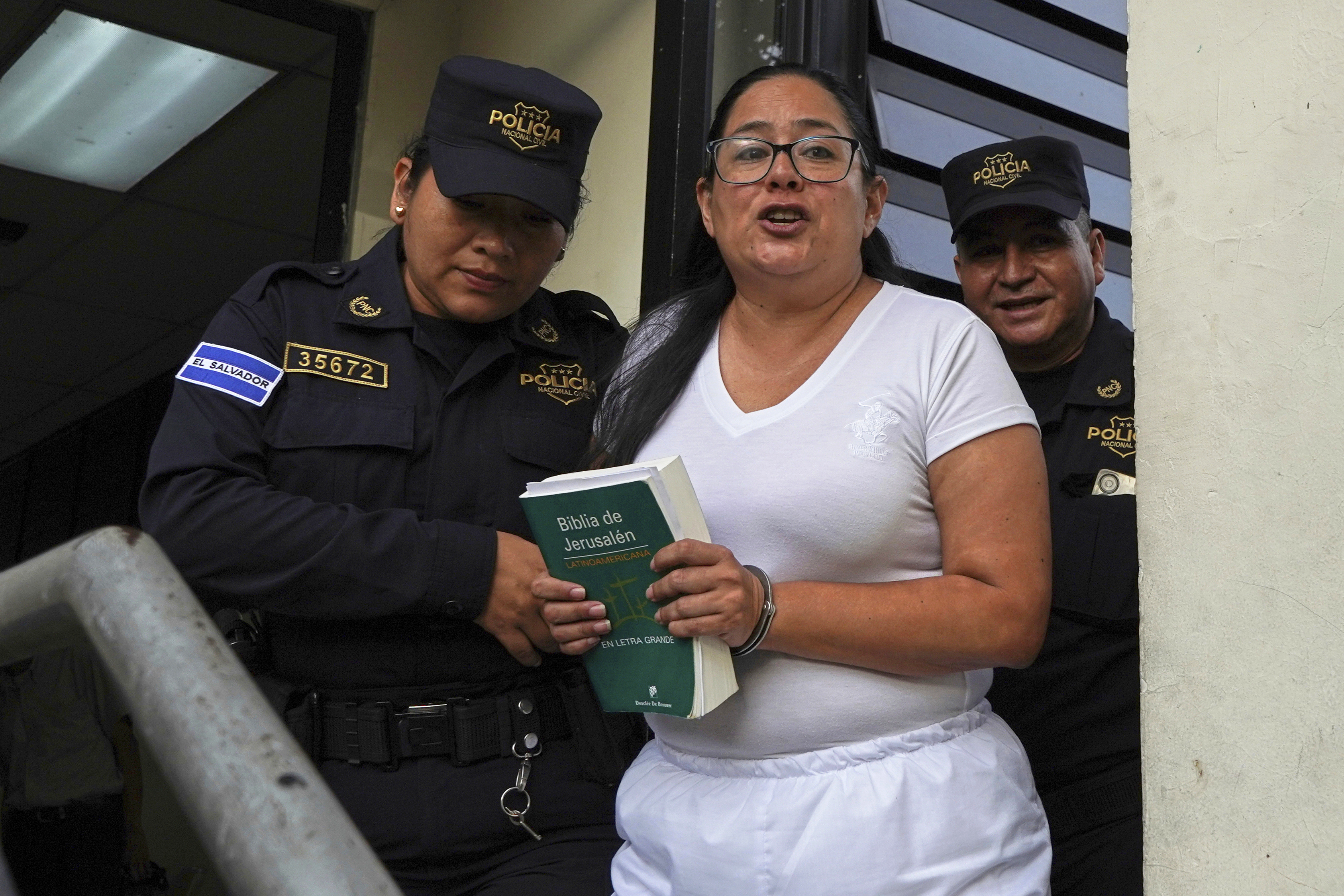
The security success, however, also comes with great social costs. Between 2022 and 2024, the government arrested roughly 1 percent of its population, including innocent people, by the president’s own admission. The state of emergency has also allowed the government to concentrate power in the presidency and silence critical voices, sliding the country towards authoritarian rule, with six out ten people reporting being afraid to express their opinions in public.
It seems like one single powerful story, centered on celebrating President Bukele’s image, has taken hold of the public discourse. Even so, there are people who decide to exercise what the ancient Greeks called parrhesia, the willingness to speak truth frankly and boldly, even at great personal risk. In doing so, they are challenging the government’s carefully curated story, while also pushing us to rethink what democratic practices can look like under authoritarian rule. Below are a few of their stories.
Leslie, the leader with a 30-year focus
In February 2024, I joined the Center for International Solidarity’s international election observation mission to El Salvador.
Leslie Schuld is a founding member of CIS. She moved to El Salvador from the United States in 1993, a year after the peace accords that ended the twelve-year civil war. She has organized election observations missions since then.
“Democratic elections were part of the peace accords. Now it’s recognized that election observers can guarantee free and fair elections. But back then, people just wanted to make sure the peace accords were respected. That’s why Salvadorans asked CIS to come and observe the elections,” Leslie told me.
CIS election reports have been very influential in improving El Salvador’s election regulations. Governments before the Bukele administration implemented many of their recommendations to protect voters’ rights.
“In the first elections we observed, you could see how people voted. There was no privacy. Some people would even take photos of how you voted. CIS recommended a booth with privacy. Now it’s illegal to take photos of people voting,” Leslie said.
During the 2024 elections, the government rolled back some of the reforms CIS had supported. For example, previously you couldn’t reform election law less than one year before the election, to prevent the ruling party from concentrating power through sudden changes. Then Congress repealed that regulation, leading to abrupt changes until one day before the elections.
Several organizations in El Salvador suspended their usual election observations. Some feared legitimizing the government’s abrupt changes. I asked Leslie why CIS decided to keep theirs.
“Salvadorans asked us again to observe these elections,” she said. “Many people gave their lives for democratic elections during the war. There’s a false perception of security. Gangs’ presence has been diminished. But people sometimes don’t realize they’ve lost their rights until they’re impacted. What people are sowing for their long term is worrisome.
“Wealth is being concentrated; rights are being taken away. You can’t resolve inequality, exclusion, and poverty through mass arrests. These are all conditions that led to a civil war in the 80s.”
In our conversation, Leslie emphasized the importance of solidarity, of not leaving people alone, whatever they might face, and celebrating how people resist in creative ways.
Election observers exercise a special type of parrhesia. They need to document what they see plainly and without bias. Their credibility depends on it. Then they must speak their truth, even if the party in power dislikes it or wishes to silence them. When this happens, they can deter election-day fraud and enhance the credibility of the election outcome.
Sandra, the islander who speaks her truth boldly
CIS organized several visits to communities outside the main cities of El Salvador. That’s how we ended up visiting Espíritu Santo Island. I had been to the island before, first in 2022 and then in 2023. I was writing about twenty-two men who had been arrested arbitrarily during El Salvador’s state of emergency.
When you arrive at the island, there are a series of mototaxis—carts pulled by motorcycles that can take you from the shore to the center of the island. But first, you must pass through a security checkpoint organized by the community.
Sandra Hernandez is one of the people who work in the mototaxi service. She is open about having served a three-year prison sentence when she was younger.
Sandra and her partner were arrested during the state of emergency. Even though it could be dangerous for her, Sandra has bravely shared her story with the international media, with a Spanish influencer in a video that gathered more than four million views, and with visitors like me.
It happened in April 2023, when twenty soldiers and four police officers showed up at her house. She was released a month afterwards, but a year later her partner was still in prison, without a sentence. She continues to tell her story, so others know it’s not just gang members who have been arrested by the government. Her story contradicts the powerful official story that you have nothing to fear if you’ve done nothing wrong.
“There were 182 women in each cell. We had to sleep on the floor. There was no space for more beds. There were shifts for us to relieve ourselves during the day in the toilets outside. But in the evening, we had to use buckets. In the morning, we had to empty the buckets.
“If someone misbehaved, we would be punished and wouldn’t be able to shower for four or five days. It happened once in my cell. They only gave us one cup of water those days,” Sandra told me.
Sandra’s parrhesia makes me think of Socrates’ address before he’s sentenced to death in Plato’s Apology. He makes it clear that what matters in speaking truth to power is that what you say is true and that you say it boldly. This stands in contrast to the Salvadoran government’s powerful communication apparatus, which admits only one beautiful truth of success and disregards all others.
What the stories tell us
After my election observer role, I exercised my own type of parrhesia. I wrote a short story that takes place in a fictional island where arbitrary arrests happen in a country run by a president named Ukelele. This indirect way of speaking the truth allows me to speak of the emotional costs of the state of exception and even use humor to challenge the official story of success by pointing out the contradictions spurred by corruption.
As I recently wrote for the Massachusetts Review Online, storytelling is a tool of parrhesia and resistance to authoritarians in Central America. In my case, I use three strategies of storytelling. First, in my fiction, even when I set up my stories in made-up towns, I strive to capture the emotional dilemmas and costs of the realities that inspire them. Second, in my journalistic work, I shift the attention from powerful actors and instead frame the stories on community resistance. And third, in my opinion writing, I use personal stories to speak to larger political affairs, showing how abstract policies affect people’s daily lives.
This article is an example of these three strategies at play. Instead of focusing on the coercive power of El Salvador’s régimen de excepción, I chose to focus on Leslie and Sandra’s resistance, which in turn illustrate the democratic backsliding in the country and the personal cost of arbitrary arrests. At the same time, I spoke about how I have used fiction to connect with readers emotionally while also showing the brutality of unconstrained power in the state of exception.
Finally, while it might be true that authoritarians impose an official narrative in a country, it also true that they can’t constrain our imagination or the stories we’ll create to exercise parrhesia in Central America.
Dany Díaz Mejía is a Honduran writer and policy analyst. His work has appeared in Granta en Español, America Magazine, Massachusetts Review Online, Contracorriente, and GatoEncerrado. He is also a non-residential Atlantic Fellow at the International Inequalities Institute of the London School of Economics.
Liberty Amplified features the voices of those who defy autocracy in pursuit of freedom. It is part of the Hoover Institution’s Human Security Project (HSP) led by Lt. Gen. (Ret.) H. R. McMaster, senior fellow at the Hoover Institution and former national security adviser. The project carries out research into how authoritarian regimes sustain power and how pro-democracy groups and their allies can challenge them to advance liberty. HSP is an educational resource and tool for activists both outside and within those countries.