 Powered by
This article is part of Liberty Amplified, a series produced in partnership with the Hoover Institution’s Human Security Project and the Hoover Institution Library & Archives, featuring voices that challenge authoritarianism in pursuit of freedom.
The fatal punishment associated with accessing free information in North Korea reminds us that regimes who do not respect the sovereignty of their own people cannot be expected to respect the sovereignty of other nations. North Korean defectors like Grace are proof that when given the opportunity, individuals choose to live in freedom. –H.R. McMaster
October 10th marks the 81st anniversary of the founding of North Korea’s ruling party, the Worker’s Party of Korea, a milestone that traces back through three generations of the Kim dynasty to the creation of the Central Organizing Committee of the Communist Party in 1945.
Despite this long lineage, the dissemination of outside information within North Korea remains an existential threat to the regime’s survival and serves as a source of hope for North Koreans who still live in the country.
I personally experienced the transformative power of foreign media, and it eventually led me to seek freedom. Consequently, I am hopeful that the ongoing dissemination of information and the cultivation of democratic culture spark meaningful change in North Korea.
The famine: widening the gap between government and people
After the collapse of the Soviet Union, North Korea lost a critical economic and political ally, leading to deeper dependence on China. Kim Il Sung’s death in 1994 and the transfer of power to his son, Kim Jong Il, led to the further isolation of the regime. Instead of opening up, Kim Jong Il doubled down by promoting Juche (the doctrine of self-reliance), adopting a military-first policy and accelerating nuclear weapons development as a survival strategy. State media reinforced the Kim family cult, and self-criticism sessions (mandatory meetings whereby citizens confess their faults, criticize other citizens, and pledge fealty to the regime) and mutual monitoring built surveillance into workplaces, schools, and military units. Fear of punishment resulted in compliance.
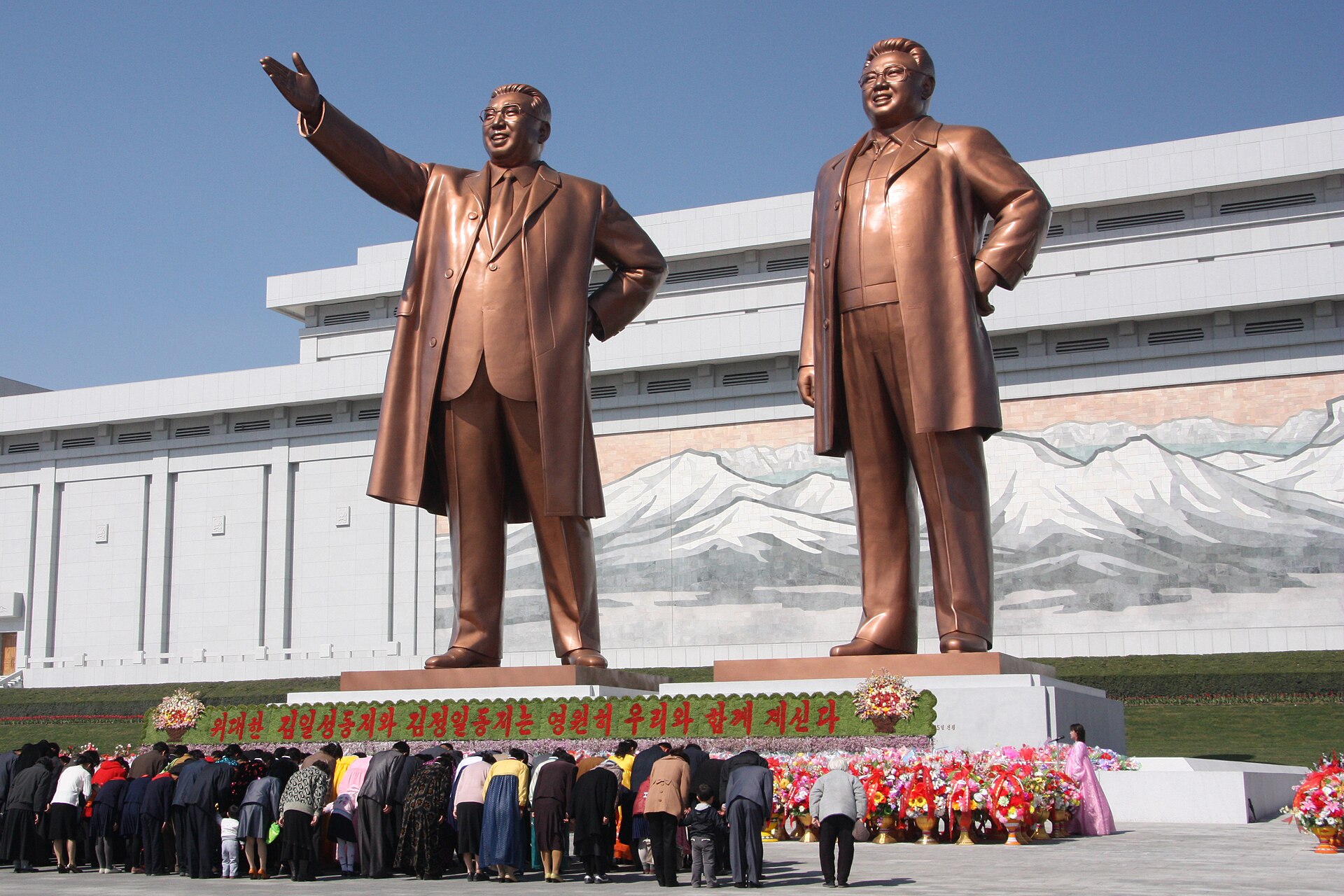
The decisions made by Kim Jong Il coupled with the collapse of the Soviet Union led to a devastating famine in the 1990s, resulting in the deaths of millions of North Koreans.
The same famine that hardened the regime’s grip also, paradoxically, created the first real cracks in it. In the mid-1990s, hunger pushed North Koreans near the Chinese border to illegally cross for food, individually bartering goods and raw materials to survive. Even residents from the country’s interior occasionally took part in this black market trade, despite strict government surveillance of people’s movements.
That illegal trade did more than transit goods and commodities. It moved information. Foreign media and some religious materials began entering the country. As movies, K-dramas, and music videos became more accessible from below the 38th parallel, some North Korean teenagers started imitating South Korean styles, including fashion, hairstyles, and dialect. For the regime, the fear was that widespread access to outside information could heighten political awareness, erode ideological control, and foster collective action against the government. In response, the regime intensified surveillance of the population and cracked down on smuggling and the consumption of foreign media, deploying instruments of the government such as the State Security Department, the police, and specialized inspection units like Group 109.
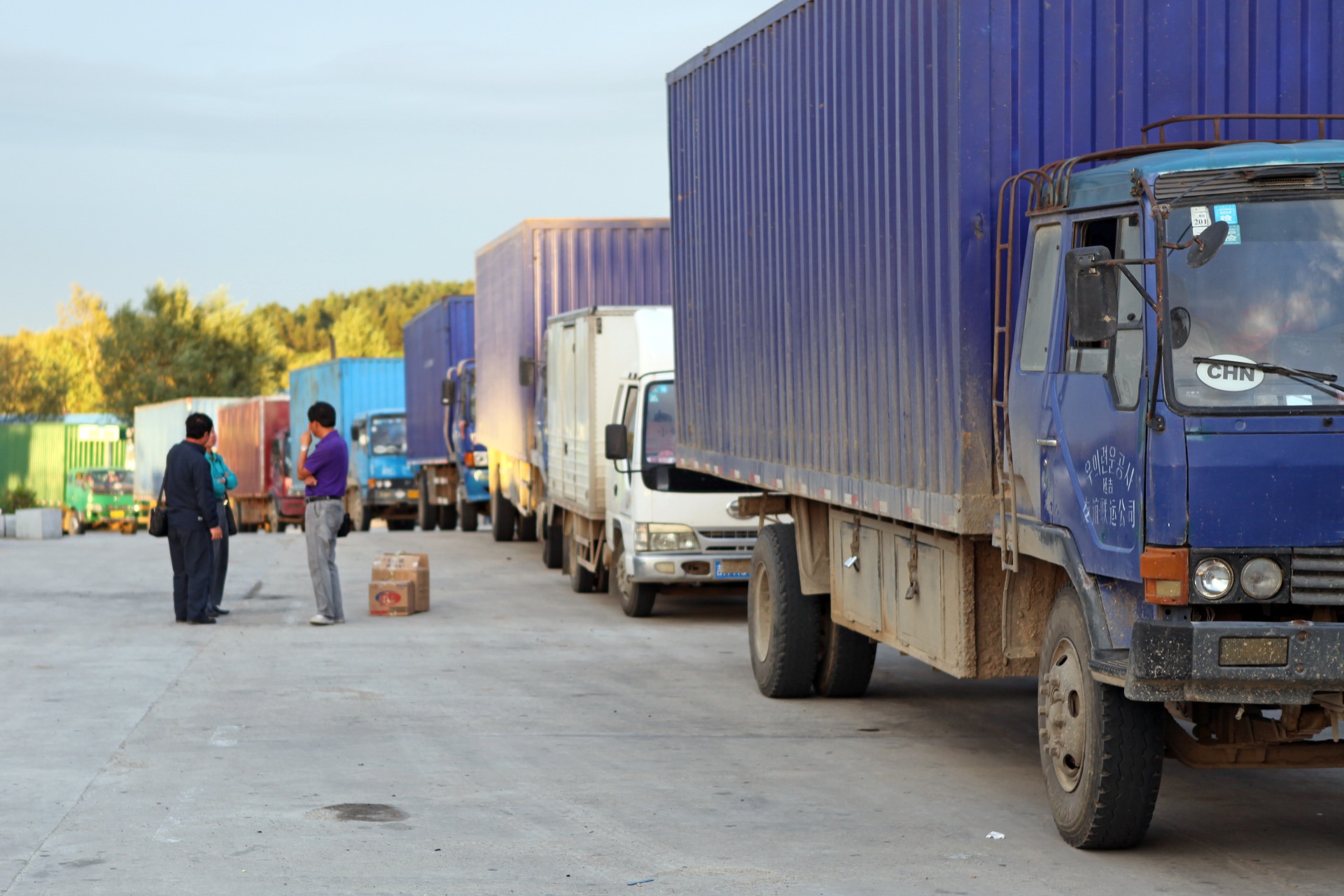
Over time, illegal border trade became more self-organized and localized informal markets (Jangmadang) emerged throughout the country. These black markets alleviated the economic distribution problems that led to the famine in the 1990s, but they also became the primary importers and distributors of foreign media. North Koreans access foreign media, smuggled on USB drives, SD cards, and MicroSD cards, through illegal trade with China.
North Korea’s younger generation, raised in the post-famine era, has a markedly different perspective than their parents. According to South Korea’s Ministry of Unification, defection rates are highest among North Koreans in their twenties and thirties. Older generations, who came of age when the economy was more stable under Kim Il Sung often view that period as the system’s high point, despite the widespread starvation that followed. They also tend to harbor more negative views of the United States and South Korea. In contrast, those who grew up during or after the famine generally show far less loyalty to the state. Between 2016 and 2020, more than 83 percent of North Korean defectors had accessed foreign media before leaving the country.
Exposure to foreign media has had the overall effect of increasing negative views about the regime. While many young people outwardly display loyalty, they privately envy the outside world.
What life was really like in North Korea
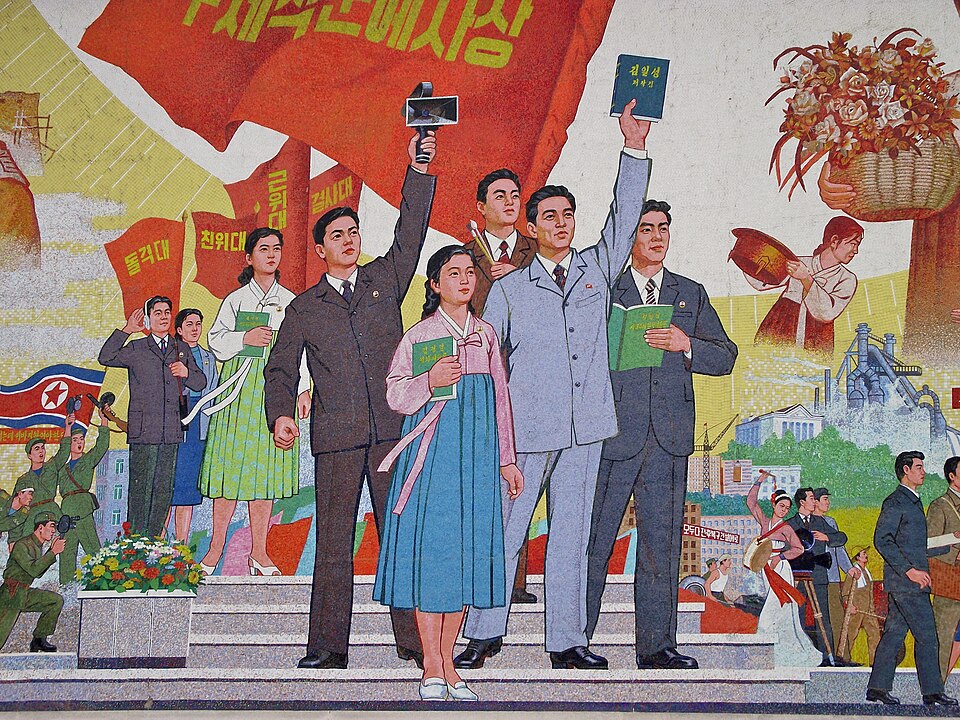
Starting in kindergarten, I sang the propaganda song “Nothing to Envy” and was indoctrinated to believe that North Korea lacked nothing because we had everything we needed. North Korea’s compulsory education system centers on the leadership’s history and Juche, leaving no room for independent thought or questioning. But as I watched more K-dramas and Hollywood films, I started to ask questions the state could not answer about what I was taught in school. Additionally, the regime’s propaganda didn’t match the reality I witnessed where my neighbors died from starvation and loved ones suffered from malnutrition.
To prevent uprisings, the regime built an extensive security apparatus to conduct inspections of residential areas at will. Being caught watching foreign media meant public execution or lifelong imprisonment depending on the circumstances of the crime. I witnessed these punishments as early as elementary school, when mandatory public attendance at a criminal sentencing was used to teach an entire generation what happened to people who watched or shared outside information. My own uncle disappeared after he was caught by the Department of Security secretly listening to South Korean radio in his basement. My family never mentioned his name again, even though I asked them what happened.
Despite the death penalty for exposure to outside information, my curiosity outpaced the regime’s capacity to control it. What I saw in foreign media didn’t match what I had been taught in school that everything outside North Korea was dangerous and plagued with violence, disaster, and tragedy. What I actually saw in foreign media was people who looked like me living their lives in prosperity and freedom. Eventually, I made the decision to leave my home and family to claim the human dignity and opportunity that I had glimpsed from afar, knowing it meant stepping into real, unknown risk.
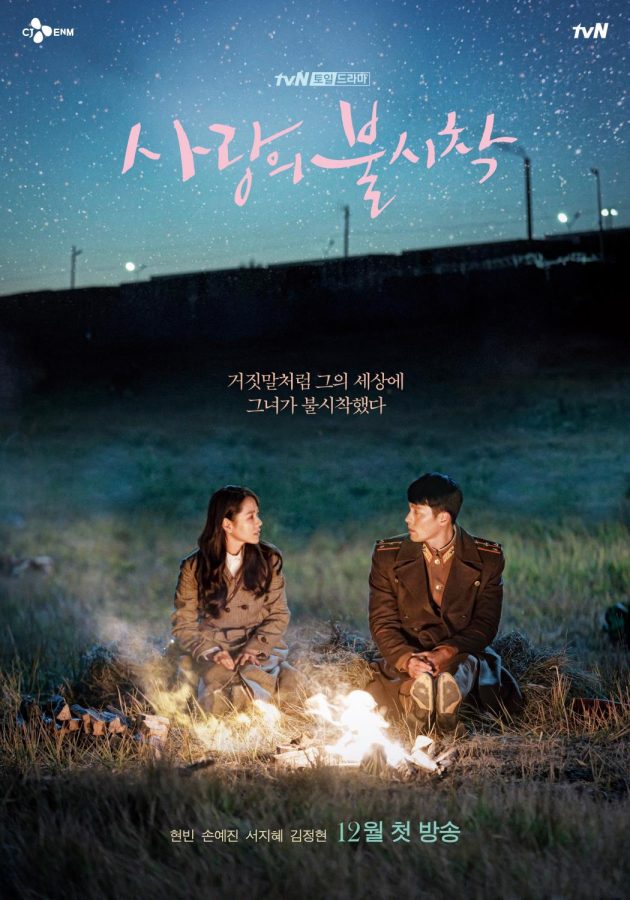
I was not alone in that decision – many young North Koreans in their twenties and thirties have made the same choice. We are often motivated and encouraged by exposure to foreign media, which serves as the first crack in the regime’s manipulative propaganda. Many young defectors now live in South Korea, pursuing advanced degrees, professional careers, and entrepreneurship. They are no longer just imitating the lifestyle they watched on screens – now they are living it for themselves.
Defectors often have family in North Korea, and after settling into new lives, they reach out to reestablish contact through cross-border information smugglers. This has created a new information channel that conveys both news and depictions of life in the outside world back into North Korea. These personal testimonies undermine the regime’s propaganda in incontrovertible ways supplementary to mass-produced foreign media.
The risk has not gone away
Punishment for accessing foreign media in North Korea still includes public execution, imprisonment, and intergenerational punishment extending to entire families. According to a 2026 Amnesty International report, North Korean youth have been publicly executed for watching South Korean dramas as recently as the post-COVID period.
However, the flow of outside information into North Korea has not been stopped. It persists, generation after generation, carried by people willing to risk everything for it. The regime-eroding effects of foreign media and the North Koreans who risk their lives to share and consume Western films and K-dramas deserve more attention than they receive.
The circulation of foreign media challenges government narratives, encourages independent thought, and gives North Koreans the knowledge necessary to imagine and shape a different future for themselves. Any democratic change in North Korea will ultimately have to be led by its own people, but the flow of truthful information is already planting the seeds of transformation.
Grace Kim escaped from North Korea and holds a graduate degree in international policy. Her research focuses on foreign policy in authoritarian states, particularly the shifting alignment between Russia, China, and North Korea.
Liberty Amplified features the voices of those who defy autocracy in pursuit of freedom. It is produced in partnership with the Hoover Institution’s Human Security Project and the Hoover Institution Library & Archives.