 Powered by
This article focuses on Choosing Freedom, an exhibition that presents personal stories of those who fled twentieth-century authoritarian regimes, drawn from the Hoover Institution Library & Archives. The exhibition features testimonies, artifacts, photographs, and personal accounts documenting the pursuit of liberty against systematic oppression. It is on view through May 9, 2027, in the Lou Henry Hoover Gallery at Hoover Tower, Stanford University. Learn more or explore the online exhibition. Liberty Amplified is produced in partnership with the Hoover Institution’s Human Security Project and the Hoover Institution Library & Archives, featuring voices that challenge authoritarianism in pursuit of freedom. — Eric Wakin, Everett and Jane Hauck Director, Hoover Institution Library & Archives
In April 1961, the Bay of Pigs invasion collapsed into disaster. The CIA-sponsored plot to topple Fidel Castro’s communist regime sent roughly 1,400 members of Brigade 2506—Cuban exiles determined to reclaim their homeland—onto the beaches of Playa Girón. Within days, the operation was crushed. Castro’s forces captured more than 1,100 of them.
These men, along with hundreds of other political prisoners, were trapped in the squalid conditions of Cuban prisons, where inmates faced malnutrition, disease, and torture. Gusano—the Spanish for “worm”—was a slur used by Castro for Cuban counterrevolutionary exiles and their descendants. The term doubled as Cuban slang for a duffel bag, conjuring up the mocking image of opponents fleeing in haste. Though Castro frequently applied the label to the Brigade 2506 prisoners, the Cuban diaspora has since reclaimed it as a badge of honor. But in 1961, it was simply an insult hurled at men rotting in cells, their freedom stripped away, their fate uncertain.
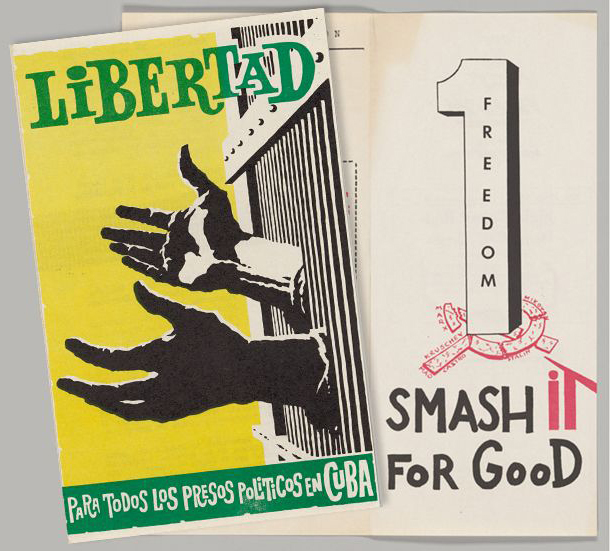
For the families of the captured brigade members, and for the wider community of Cuban exiles in America, the anguish was unbearable. Activists mobilized. The Cuban Freedom Committee—a stridently anti-Castro organization quietly backed by the CIA—distributed pamphlets demanding liberty for all political prisoners in Cuba and urging Americans to “smash it for good.” Their message was clear: these men could not be abandoned.
Enter James Britt Donovan
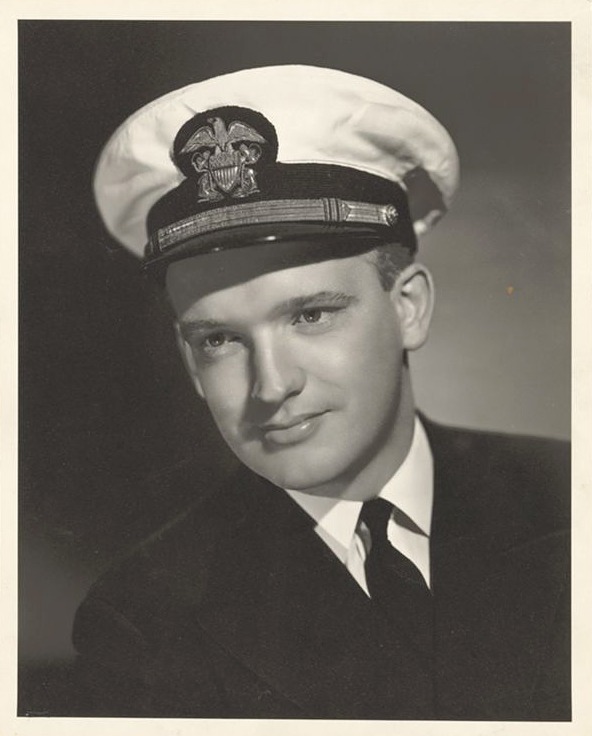
Born in the Bronx on February 29, 1916, James B. Donovan was a Harvard-educated lawyer, a World War II naval officer, and a former intelligence official with the Office of Strategic Services—the wartime precursor to the CIA. Donovan served as an assistant prosecutor during the Nuremberg trials and later gained international fame (and a track record for high-stakes negotiation) for defending Soviet spy Rudolf Abel and negotiating the 1962 Abel-Powers exchange—a Cold War swap dramatized in the 2015 film Bridge of Spies, in which actor Tom Hanks portrayed Donovan.
It was precisely this blend of legal acumen and steady nerve that made Donovan the CIA’s ideal candidate to seek the Cuban exiles’ release. Even more, Donovan appeared to share traits with Castro, as a lawyer and bibliophile. Luis Conte Agüero, a friend of Castro’s, portrayed him as such in a biography that was suppressed after Agüero defected from Cuba in 1960. Cuban police were ordered to seize and destroy the printing plates and all copies of the book, and the only known copy is now preserved at the Hoover Institution Library & Archives.
The agency recognized a rare opening: send a fellow attorney and book lover to the table—a man who could meet Castro as a counterpart.
Publicly, Donovan was cast as a private citizen volunteering his time for Cuban families and the Red Cross. In truth, his missions were overseen by Attorney General Robert F. Kennedy and the CIA. President John F. Kennedy had personally selected him for the task.
Leverage of need
During one visit to Cuba, a flare-up of bursitis forced Donovan to seek medical attention. The experience demonstrated that Cuban hospitals lacked proper medications and equipment required for even the most basic treatments. Donovan had discovered a bargaining tool to use in his negotiations with Castro: humanitarian aid.
Under the weight of the American embargo, Cuba’s people lacked the medicine and supplies that could ease their hardship. Donovan posited that Castro would exchange prisoners for the means to care for his own population. This insight would prove decisive.
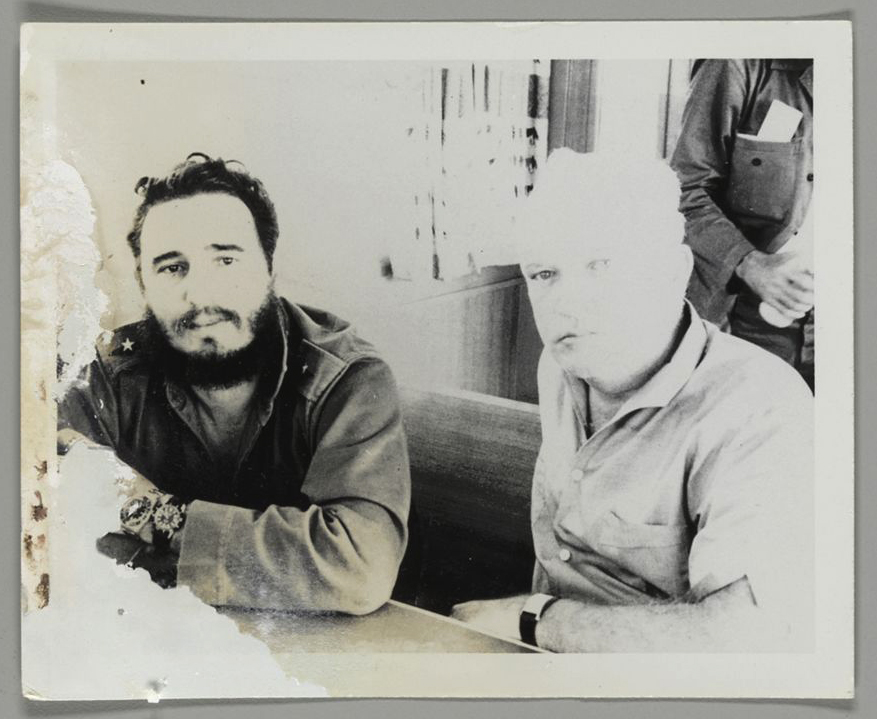
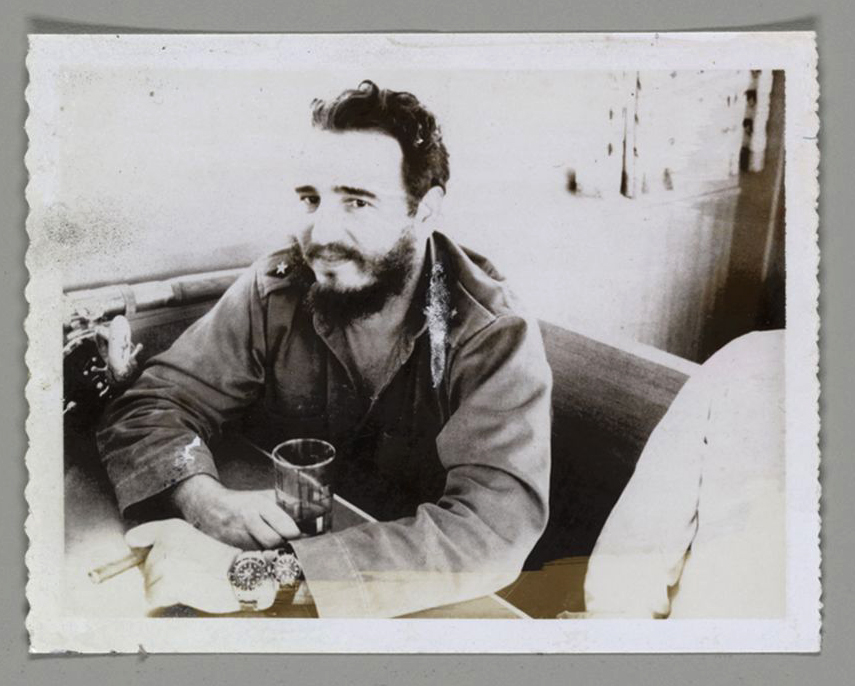
Donovan met with Fidel Castro fifteen times to broker the exchange of political prisoners for humanitarian aid. Through two years of conversation, fishing, smoking cigars, and attending baseball games, they developed an unlikely rapport.
The holiday homecoming
The relationship survived even the most dangerous moment of the era. In October 1962, the Cuban Missile Crisis brought the United States and Soviet Union to the very edge of nuclear war. Yet even amid public defiance, Castro continued to meet privately with Donovan to broker the release of the prisoners. The trust they had cultivated held firm when it mattered most.
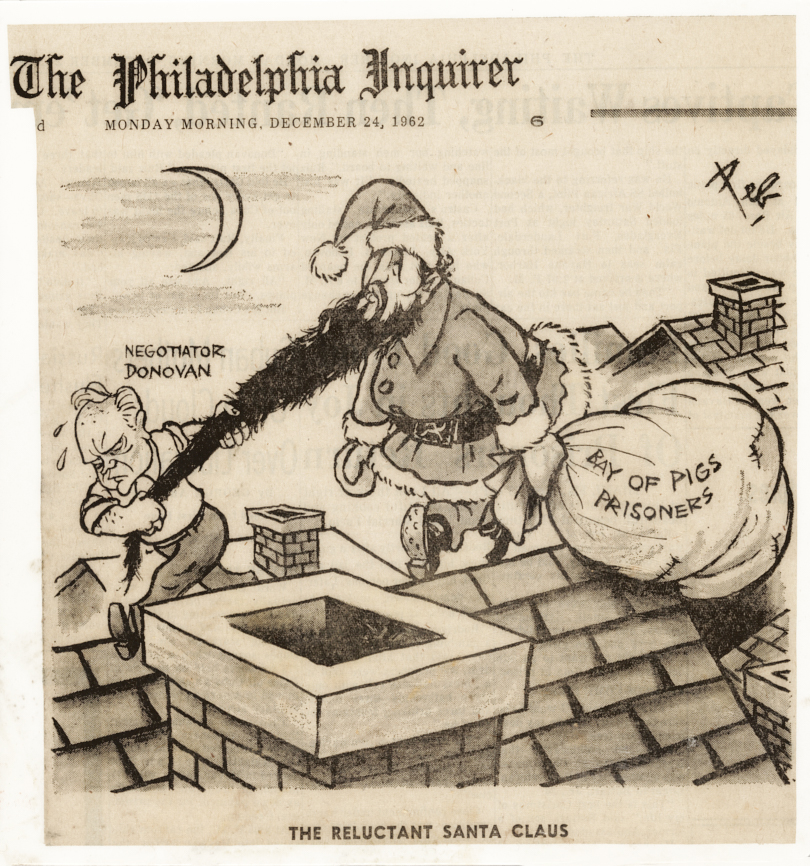
On December 21, 1962, the two men signed their historic agreement: the 1,113 surviving prisoners of the Bay of Pigs invasion would be exchanged for $53 million in food and medicine—money raised largely by Donovan from private companies. Three days later, on Christmas Eve, the freed men landed in Miami. President Kennedy himself was there to greet them—a homecoming timed, whether by fate or design, to the season of hope and deliverance.
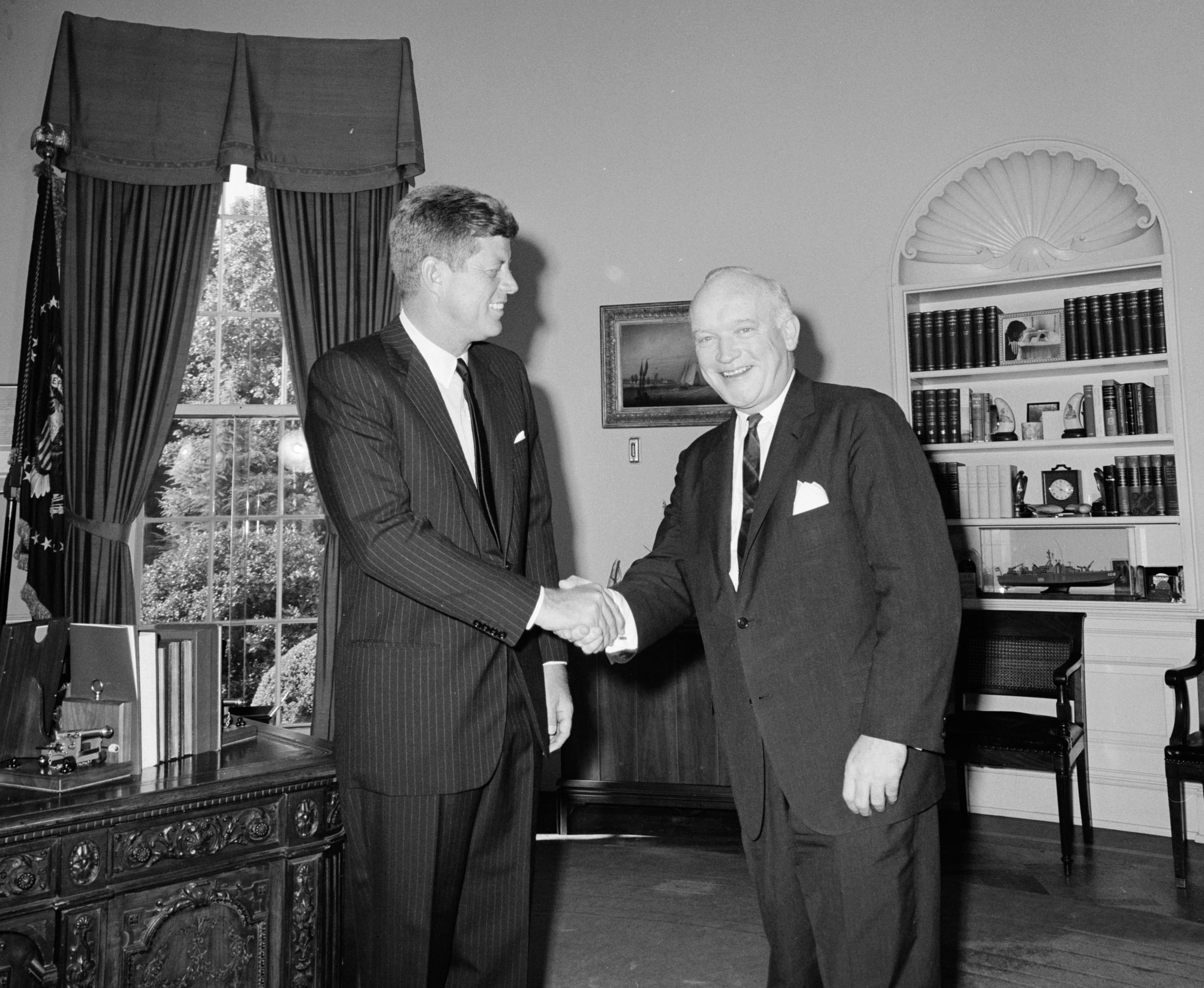
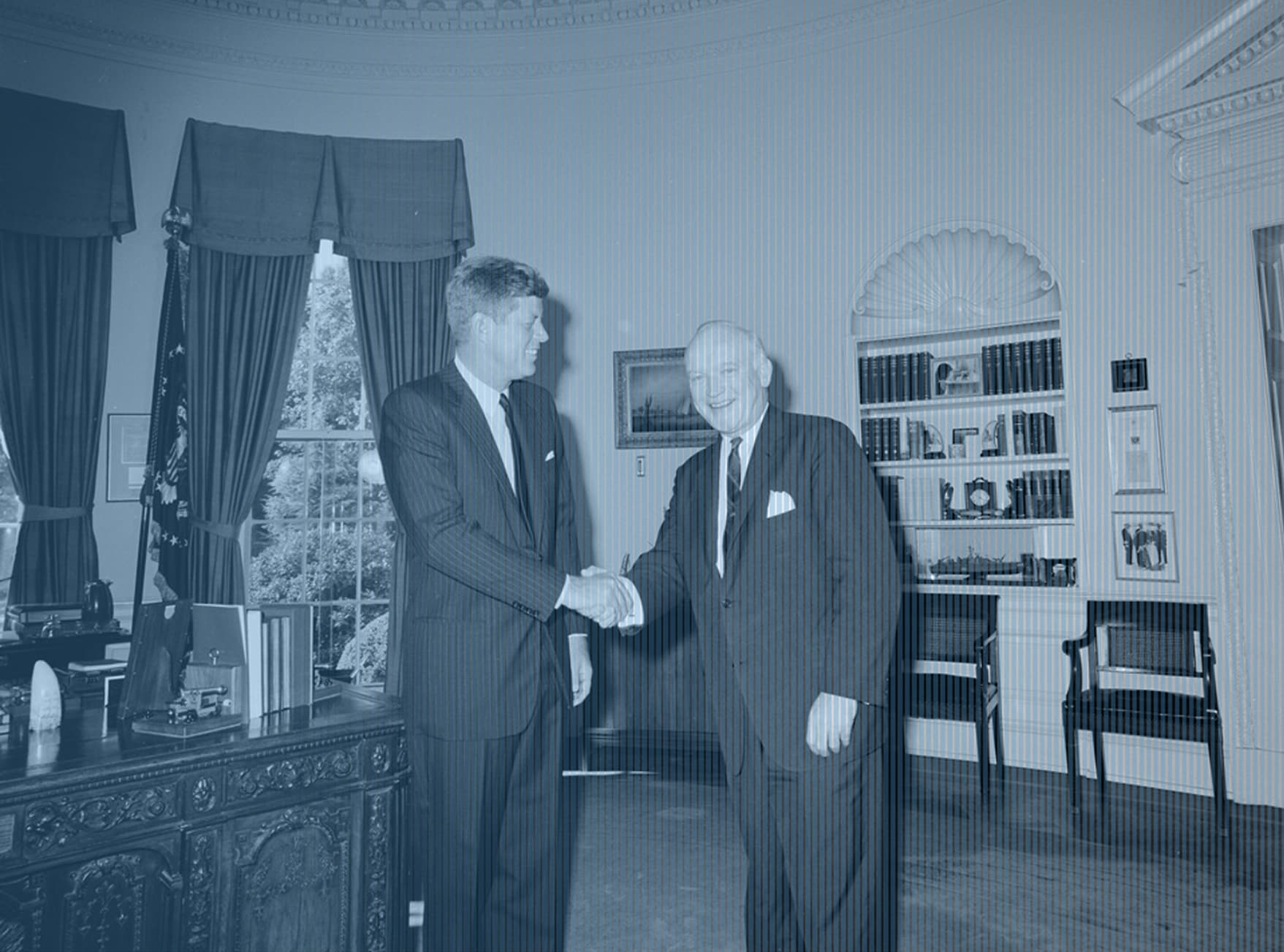
Donovan did not stop there. He returned to the negotiating table again and again. By July 1963, his continued efforts had secured the release of nearly 10,000 prisoners from Cuba to the United States. For his service, he received the personal thanks of President Kennedy in the Oval Office.
The importance of Donovan’s diplomacy
James Britt Donovan died in New York City on January 19, 1970, at the age of fifty-three. He left behind a legacy that challenges the era’s dominant instruments of power. Where invasion had brought only imprisonment and death, negotiation brought thousands of men home to their families.
His story endures as a testament to a simple but powerful truth: that even in the coldest depths of geopolitical hostility, the willingness to treat an adversary as a human being and to understand his needs can unlock doors that force alone could never open. Freedom, in the end, was won not on the beaches of the Bay of Pigs, but in the quiet accumulation of trust between two very different men.
Jean M. Cannon is a research fellow and curator for North American Collections at the Hoover Institution Library & Archives at Stanford University, where she specializes in acquisitions, education, exhibitions, and scholarly publications. She received a PhD in English Literature from the University of Texas at Austin, with a focus on World War I poetry and fiction, and holds a BA in English from Duke University. Prior to her current position, she was the Literary Collections Research Associate at the Harry Ransom Center, where she co-curated the 2014 exhibition The World at War, 1914–1918. She was also the curator of Hoover’s 2017 exhibition Weapon on the Wall: American Political Posters of World War I. Cannon has also worked extensively in book publishing and advertising and as a freelance writer and editor.
Liberty Amplified features the voices of those who defy autocracy in pursuit of freedom. It is part of the Hoover Institution’s Human Security Project (HSP) led by Lt. Gen. (Ret.) H. R. McMaster, senior fellow at the Hoover Institution and former national security adviser. The project carries out research into how authoritarian regimes sustain power and how pro-democracy groups and their allies can challenge them to advance liberty. HSP is an educational resource and tool for activists both outside and within those countries.