 Powered by
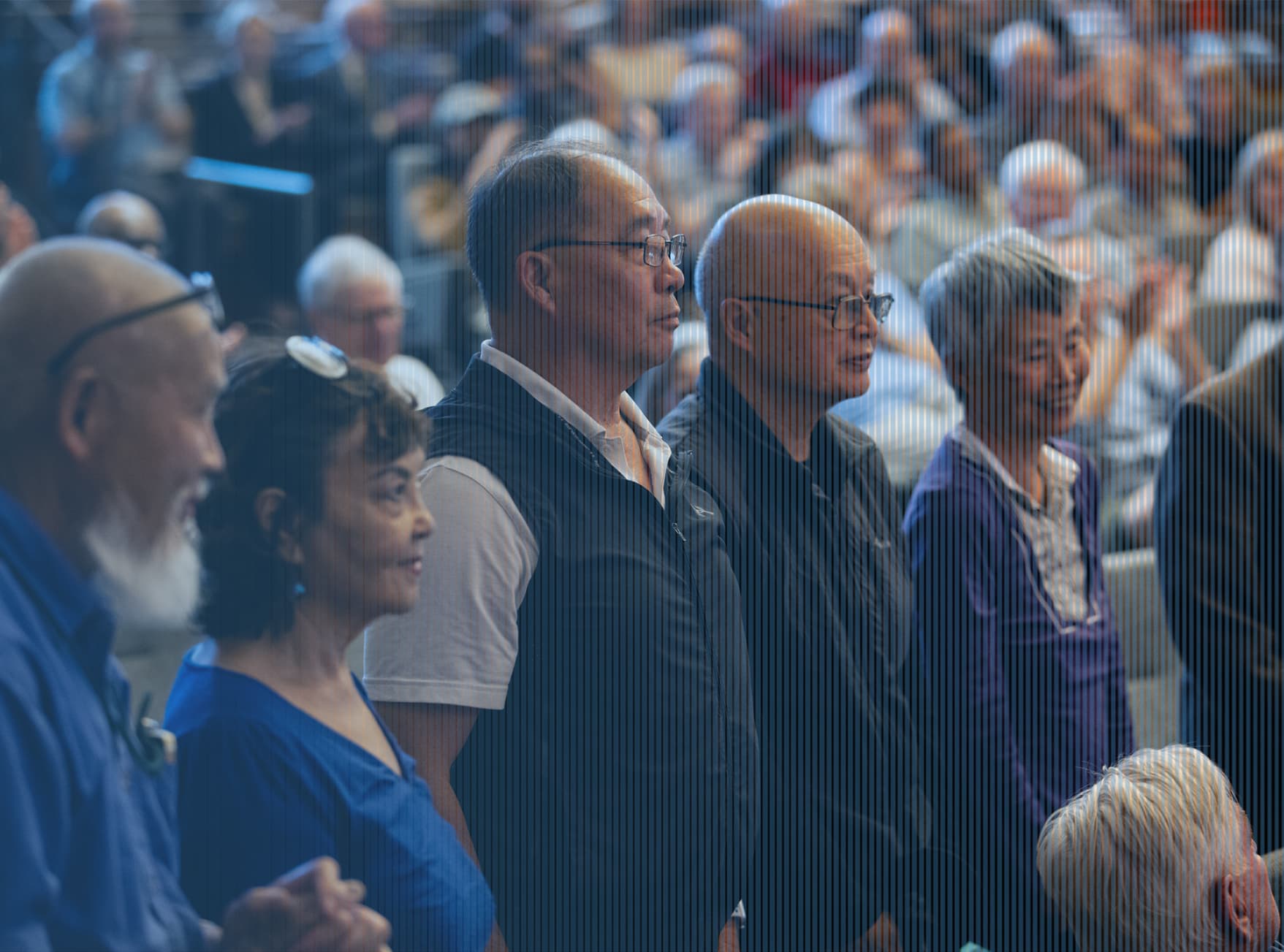
This article is part of Liberty Amplified, a series produced in partnership with the Hoover Institution’s Human Security Project and the Hoover Institution Library & Archives, featuring voices that challenge authoritarianism in pursuit of freedom.
Katherine Sy, a high school graduate from a literary family, was deemed insufficiently proletarian by Mao Zedong’s government and exiled to the countryside in 1968 for “re-education.” Sy was one of roughly sixteen million urban, educated youths forcibly relocated during China’s Cultural Revolution (1966–76) through the “sent-down youth” movement. Branded as pro-bourgeois threats to Mao’s vision, these teenagers and young adults were ripped from their families and schools and dispatched to remote farms and labor camps to be remade as revolutionary farmers. Her story, among others, is currently on display in the new exhibition at the Hoover Institution, Choosing Freedom.
The “sent down” system
The movement was controlled by the Chinese Communist Party (CCP) by deliberate design. Food stamps were valid only at assigned labor camps, tethering young people to specific locations. The lack of portable wealth or sustenance discouraged fleeing and made it a difficult feat to survive. Propaganda posters and celebratory language masked the coercive brutality of the sent-down system. Sy and others endured gruesome conditions that left them unable to feed themselves.
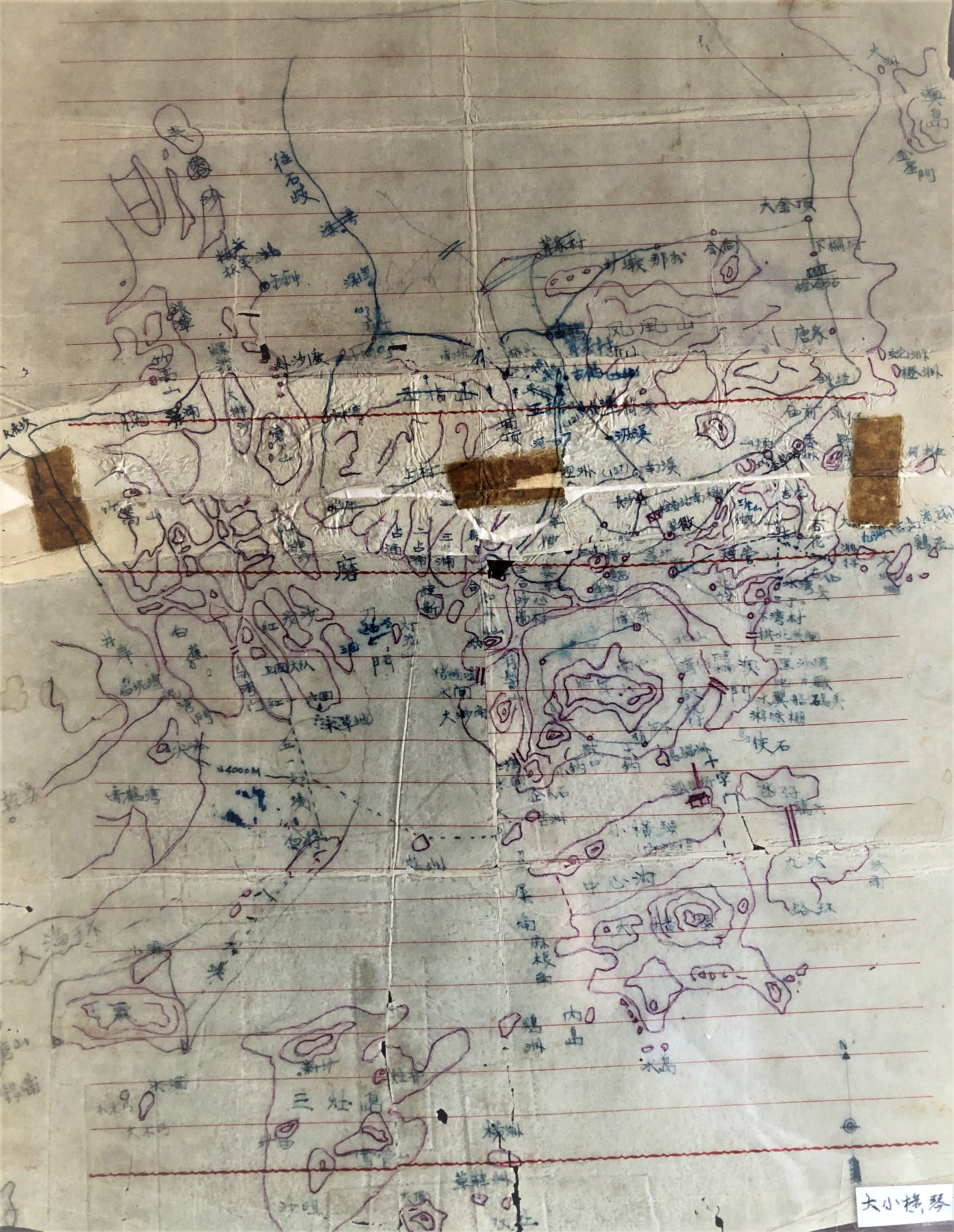
Meanwhile, in cities like Guangzhou, young people exchanged coded language and shared information about routes to freedom. Someone obtained detailed border maps; they spread “like wildfire,” hand-traced on translucent paper and passed “from one to ten, and ten to a hundred.” These fragile documents became lifelines—the only guides for those willing to risk everything.
Night flight
The historic documents and archival materials preserved from this exodus demonstrate the ingenuity born from desperation. Before her successful 1972 escape, Sy’s cousin—an electrical engineer stripped of his profession by the revolution—handcrafted small compasses for each member of their escape group. When Hong Kong’s distant lights disappeared from view, these south-pointing needles became their only navigation through darkness.
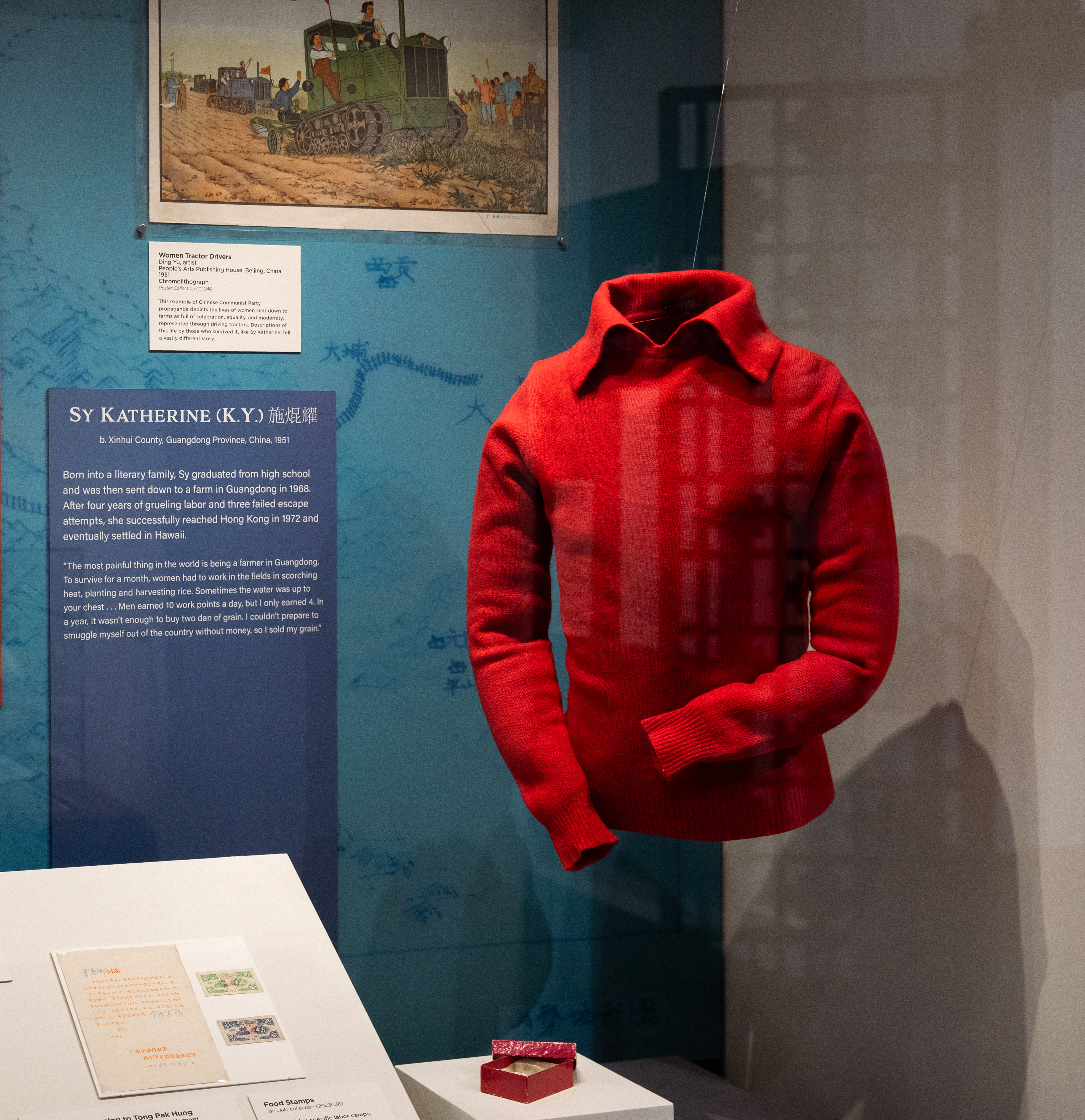
Sy fled wearing the red Wilton lambswool sweater her father had given her in 1964 to celebrate good test scores. Because Red Guards deemed such Western luxuries “counterrevolutionary,” she had worn it in secret for years. She could not bear to leave it behind. Her green coat became a makeshift backpack, stuffed with enough food for three people.
Reflecting on resilience
On June 15, 2022, a memorial was inaugurated at Eternal Sunset Memorial Park in New Jersey. It honors 176 sent-down youths who died on their journeys to freedom. The Chinese inscription reads: “The heroic spirits who crossed mountains and rivers, traversed borders and seas, will live on forever.”
Thousands of Chinese intellectuals did make it out, fleeing to Hong Kong and Macao, risking capture, gunfire, and drowning. Letters, delicate maps, bespoke compasses, and sentimental clothing shown in Choosing Freedom serve as powerful examples of how young people reacted to and found strength in moments of adversity.
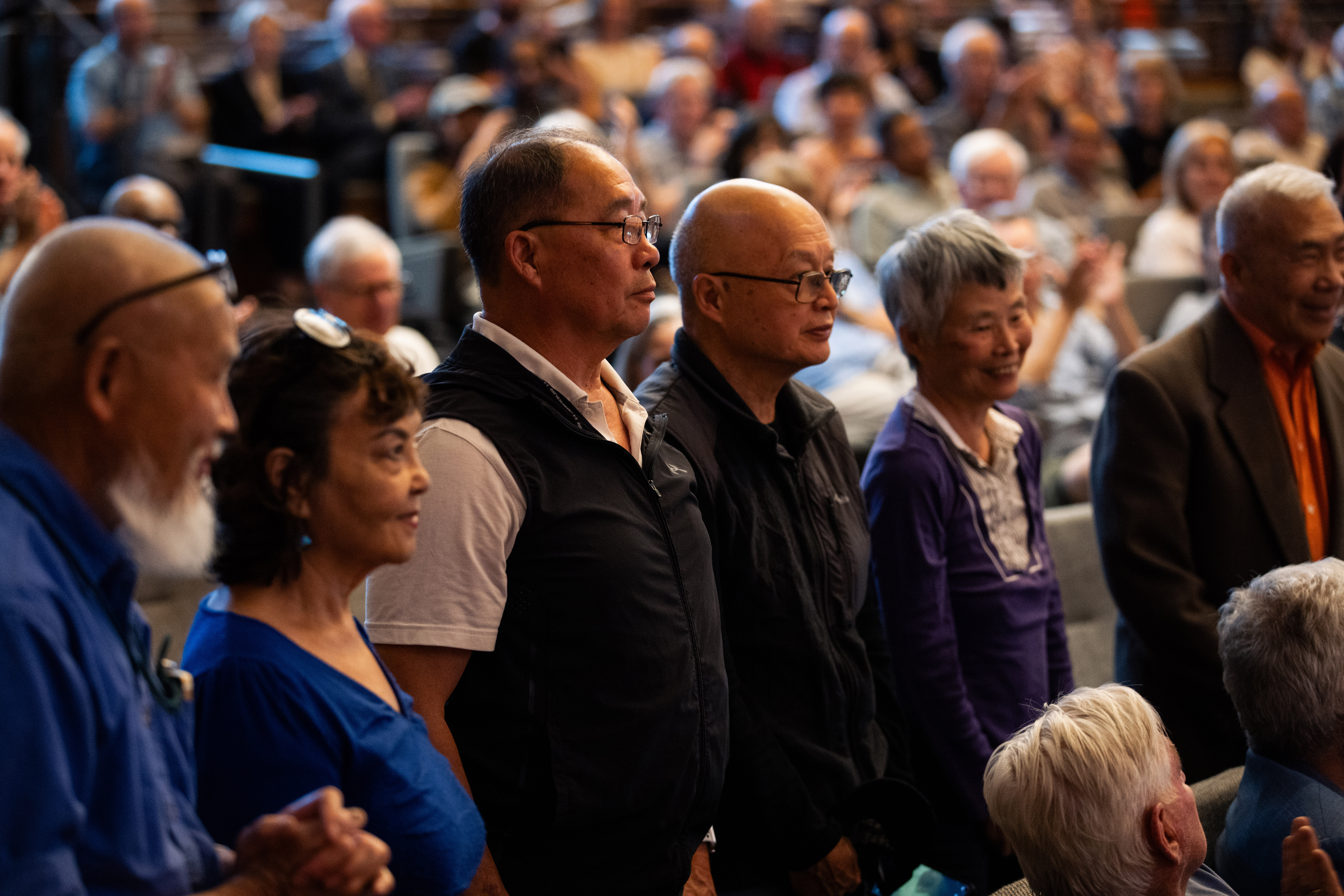
Historian Tan Jialo preserved these artifacts and the stories of their owners in a collection now held at the Hoover Institution Library & Archives. Tan Jialo, Katherine Sy, and seven other sent-down youths who had decided to escape from China and eventually survived on free soil participated in the opening reception of the exhibition. Its contents carry forward the legacy left behind by those who became architects of their own survival.
Select materials from the collection are available for the public to view in the Lou Henry Hoover Gallery at Hoover Tower, Stanford University.
Hsiao-ting Lin is a research fellow and curator of the Modern China and Taiwan collection at the Hoover Institution Library & Archives.
Liberty Amplified features the voices of those who defy autocracy in pursuit of freedom. It is part of the Hoover Institution’s Human Security Project (HSP) led by Lt. Gen. (Ret.) H. R. McMaster, senior fellow at the Hoover Institution and former national security adviser. The project carries out research into how authoritarian regimes sustain power and how pro-democracy groups and their allies can challenge them to advance liberty. HSP is an educational resource and tool for activists both outside and within those countries.