 Powered by
The sanctions on Russian oil since 2022 were intended to starve Moscow of the revenues it needs to wage the war in Ukraine. Four years later, Russia still earns more than $200 billion from oil and gas exports per year—barely below the 2021 level—while its spending on the war has surged to $190 billion in 2025, or 7.5 percent of GDP. Export volumes have remained remarkably stable. The shadow fleet now carries 70 percent of Russian crude. And the Iran crisis handed the Kremlin an additional windfall of revenues in 2026.
However, the record is not one of total failure, even if far from the decisive constraint that policymakers hoped for. Understanding why matters—not only for the war in Ukraine but also for the future of economic sanctions.
What the coalition built
The architecture of oil sanctions was assembled in stages, each shaped by the tension between ambition and caution. The European Union’s embargo on seaborne Russian crude—announced in May 2022 but not taking effect until December 2022—was the strongest measure, closing European ports to the oil that had flowed there for decades. The US-driven G7’s price cap at $60 per barrel was the most novel: It allowed non-coalition countries to keep buying Russian oil using European maritime services, provided the price stayed below the cap. The intellectual case was elegant—exploit Russia’s dependence on Western insurance and shipping to impose a de facto ceiling on Moscow’s revenue while keeping global supply intact. The United States did not want to risk higher oil prices ahead of midterm elections amid already elevated inflation.
In July 2025, the EU’s eighteenth sanctions package tried to tighten the screws. The cap was lowered to $47.60, a dynamic adjustment mechanism was introduced, and—crucially—a ban on EU imports of petroleum products refined from Russian crude in third countries took effect in January 2026. These were welcome steps. They were also years late.
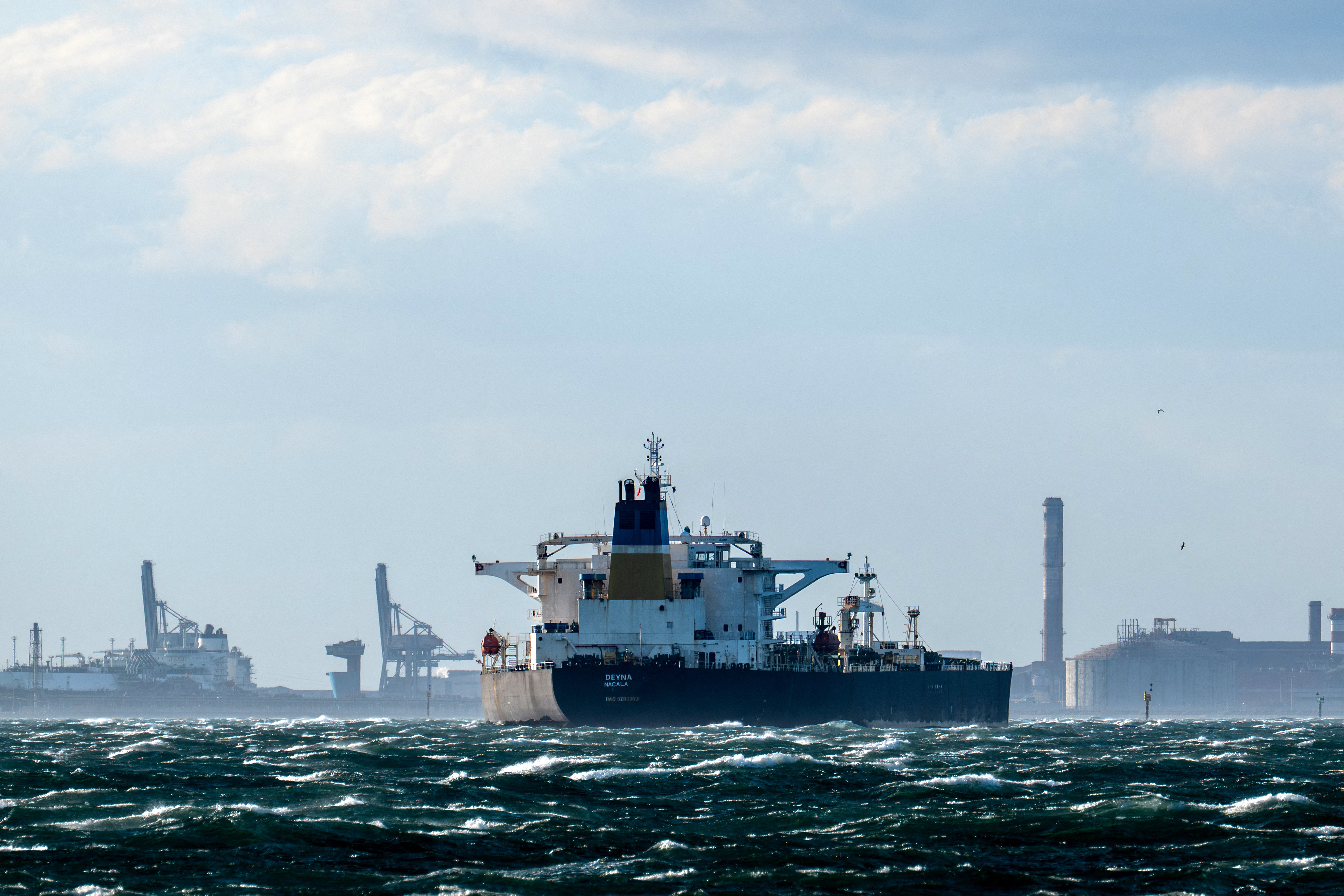
Enforcement began to catch up with design in 2025–6. The US Treasury, followed by EU and UK authorities, designated tankers and tightened rules governing maritime services. Authorities within the sanctions coalition also began boarding sanctioned shadow-fleet vessels in coalition waters. These steps raised the cost of evasion and pushed some flows back onto mainstream, price-capped routes. Russia responded by moving more of the shadow fleet under its own flag, making European authorities more hesitant to board such ships for fear of escalation.
By February 2026, Russia’s oil output had fallen to the lowest levels since the start of the war, reflecting sanctions pressure and mounting difficulties in placing barrels on India and other key markets. However, once Iran closed the Strait of Hormuz in response to American and Israeli attacks, the United States issued temporary waivers allowing the sale of Russian crude and products already loaded on tankers. Together with the broader Gulf supply shock, these measures eased some of the immediate pressure on Russia’s budget and helped its oil output recover from the lows reached in early 2026.
The embargo worked—up to a point
The embargo was the more consequential of the two instruments. By shutting European ports to Russian crude, it forced a wholesale rerouting of exports toward India, China, and Turkey—imposing real costs on Moscow. Russia was forced to accept a discount of roughly $32 per barrel on Urals crude by March 2023, nearly half of which reflected the higher cost of shipping oil over much longer distances. The remainder was a function of increased bargaining power on the part of Indian and Chinese buyers who recognized that Russia had limited alternatives and who negotiated accordingly.
Using Russian customs data, we documented a sharp fall in crude oil revenues in the first quarter of 2023—roughly $3 billion to $4 billion per month below a no-sanctions counterfactual (Babina et al. 2025). For a budget stretched thin by military expansion, this was a material blow.
But the embargo’s design contained its own limitation: because the coalition wanted to prevent a global supply shock, it deliberately allowed Russian oil to keep flowing to willing buyers. The result was redirection, not reduction. Indian refiners became voracious buyers of discounted Russian crude—refining it into diesel and naphtha that were then sold back to European markets.
As reported in the press, Reliance’s Jamnagar complex alone purchased about half of the roughly 1.7–1.8 million barrels per day of Russian crude shipped to India in 2025 and exported tens of millions of barrels of refined products to Europe and other markets at full prices, generating an estimated US$6 billion in additional profit from discounted Russian oil.
S&P Global estimates that in 2025, Europe received about 230,000 barrels per day of refined products from India and Turkey—down from more than 450,000 barrels per day in 2023—equivalent to roughly 84 million barrels over the year. Relative to Russia’s total seaborne crude exports of around five million barrels per day, this is only a few weeks’ worth of volumes. But controlling the full value chain from cheap crude to high‑priced products allowed these refiners to capture large margins while blunting the intended impact of the embargo. The refining loophole remained open for three full years until the EU finally banned imports of products made from Russian crude in third countries from January 2026.
Why did the price cap fail?
The price cap has exerted pressure on Russian revenues, but it fell well short of its designers’ ambitions. The scheme built to serve multiple objectives—keeping global supply stable, squeezing Russian income, and anchoring prices—proved hard to enforce. Pervasive evasion through the shadow fleet and fraudulent documentation blunted its effect. Urals crude dipped below $60 only briefly in late 2022 and early 2023—when global prices were falling anyway—before rebounding. ESPO crude, oriented toward China and Pacific markets, consistently traded well above the cap. By February 2026, only 33 percent of Russian crude was transported on G7+ tankers; the rest moved on shadow vessels entirely outside the cap’s reach.
Two forces drove this erosion.
First, Russia—with help from Chinese, UAE-based, and other intermediaries—assembled a sprawling shadow fleet of aging tankers operating outside Western maritime services and therefore outside the price cap’s jurisdiction. By February 2026, the fleet involved 109 unique crude tankers—96 percent of them over fifteen years old—flagged in Cameroon, Sierra Leone, and increasingly under the Russian flag itself, which rose from 3 percent of shadow fleet volumes in May 2025 to 21 percent by February 2026 (KSE Institute 2026b). Companies from China, Russia, and the UAE manage roughly 60–65 percent of shadow fleet volumes across ship management, ownership, and ISM management.
Second, even where Western services remained involved, compliance was undermined by fraudulent documentation—fabricated attestations claiming oil was purchased below the cap while actual prices exceeded it. Enforcement proved nearly impossible given the opacity of ship-to-ship transfers and layered ownership structures. CREA now advocates replacing the price cap entirely with a full maritime services ban, concluding that entity-based sanctions and the cap have been systematically circumvented through special-purpose vehicles and shadow fleet growth.
The coalition responded with vessel designations—623 tankers were sanctioned by at least one jurisdiction as of March 2026. US designations were the most effective: Only 15 percent of US-sanctioned tankers continued loading Russian oil in February. But the system adapted. As vessels were designated, new ones entered service; as managers were sanctioned, operations shifted to the Seychelles, Azerbaijan, and other willing jurisdictions. Designated tankers still carried 42 percent of Russia’s total oil export volumes.
Volumes—the number that matters most
Perhaps the most controversial outcome of sanctions is the stability of Russian oil export volumes. Despite four years of escalating measures, Russia’s total seaborne oil exports in February 2026 stood at approximately 5.3 million barrels per day. Crude oil exports actually increased 2.5 percent year-on-year. CREA’s fourth-year assessment confirmed that export volumes remained 6 percent above pre-invasion levels—even as annual revenues dropped 18 percent. The gap reflects price discounts, not volume constraints. The fundamental ceiling on Russian production has been less the sanctions architecture than long-standing underinvestment in upstream capacity, dating back to the 2014 Crimea-related restrictions on exploration and production technology.
This matters because it is volumes, not just prices, that drive budget revenues. A sanctions regime that guarantees continued supply to global markets is, by definition, one that guarantees continued revenue to the target—a point we have made before. Russia adapted to the discount by selling roughly the same number of barrels at modestly lower prices—preserving a revenue stream sufficient to sustain the war.
Stable Russian export volume was a feature of the early sanctions design to keep the global crude market stable in 2022 and 2023. After this initial period, global oil markets became increasingly saturated with supply from alternative sources. This presented an opportunity to tighten sanctions to reduce Russian export volumes. However, this opportunity was missed in what became an apparent policy blunder. This was the time to, at a minimum, tighten compliance with the G7 oil price cap, or go a step further and replace the cap with the full maritime services ban on Russian oil—total prohibition on shipping, insurance, and financing services provided by Western and EU companies for the transport of Russian oil.
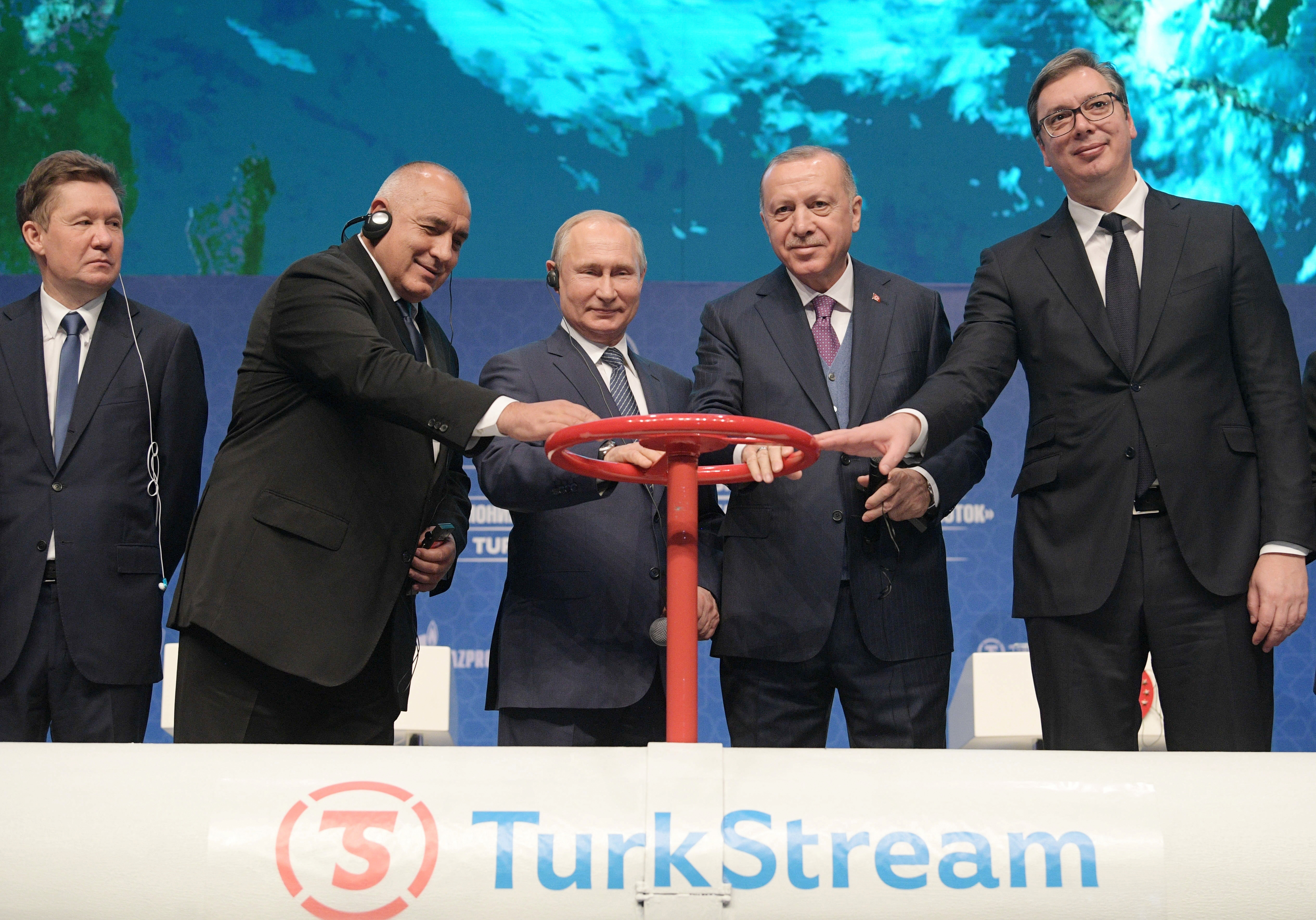
As another side effect, the geographical concentration of rerouted exports has created its own dynamic. China, India, and Turkey now absorb 93 percent of Russian seaborne crude. China alone accounts for roughly 35 percent of Russia’s total foreign trade—up from 16 percent of exports before the invasion. As we document, this pivot has locked Russia into a deepening dependency trap. China treats Moscow as a source of discounted commodities—paying nearly 40 percent less for Russian pipeline gas than Gazprom’s other clients—while Russia’s military-industrial complex has become structurally reliant on Chinese components, with China’s share of dual-use imports rising from 25 percent before the invasion to over 80 percent by 2025.
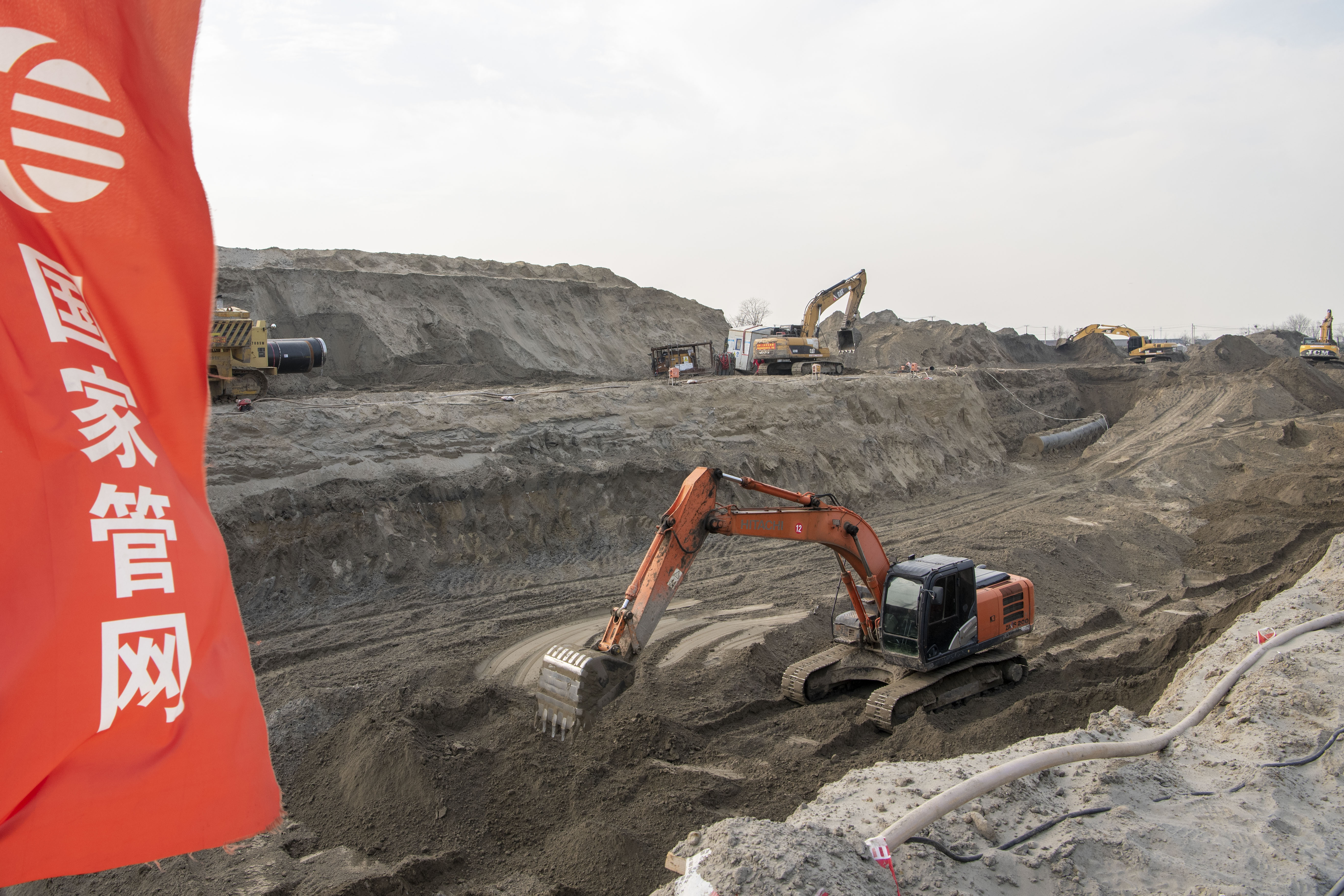
Sanctions have not merely rerouted Russian trade. They have accelerated an asymmetric partnership in which China accumulates leverage while Russia loses optionality, as reflected, for one, in the discounts relative to world oil prices that China receives on Russian crude.
The Iran crisis: sanctions’ biggest stress test
Iran’s closure of the Strait of Hormuz following the US-Israeli strikes in March 2026 is the single greatest challenge to the sanctions regime since its inception. On an average day before the war, roughly 20 million barrels of oil and 300 million cubic meters of LNG transited the strait. That flow has been largely shut.
For Russia, the Iran war is an unambiguous windfall.
Before the Iran war, Russia’s energy outlook had deteriorated to its worst state since its full-scale invasion of Ukraine in 2022. Oil export earnings fell below $10 billion in February 2026 for the first time since the COVID-19 pandemic, and the budget deficit had already exceeded 90 percent of the full-year plan in the first quarter, forcing the Kremlin to prepare a 10 percent cut to all non-security spending. The strait closure reversed this trajectory overnight. Depending on the conflict’s duration, Russia could gain between $84 billion and $252 billion in additional export earnings in 2026 compared to a prewar baseline due to a combination of higher global oil prices and sanctions relief. In the central scenario—a three-month war with fast recovery—the additional revenues reach $161 billion, roughly $0.5 billion per day, equivalent to the full cost of the war in Ukraine. Meanwhile, the sound of silence from Moscow and Beijing is telling: both are content to let Washington entangle itself in a protracted Middle Eastern quagmire while the sanctions regime unravels.
What the experience teaches
Six lessons stand out for US and Western leaders on the effects of the recent sanctions policies against Russia:
Enforcement is the binding constraint. The shadow fleet’s growth was predictable—and predicted—yet the coalition was slow to invest in the monitoring, intelligence, and legal infrastructure needed to counter it. Vessel designations have been reactive, not pre-emptive. A comprehensive sanctions policy requires dedicated enforcement, including the use of force, from the outset—not as an afterthought.
Objectives must be clear, realistic, and measurable. Governments pursued multiple objectives simultaneously—deterrence, signaling, revenue denial—without specifying priorities or criteria for success. The Russian oil sanctions aimed to reduce revenue without disrupting global supply. That goal inherently limited their bite.
Large commodity exporters are intrinsically hard to sanction. Russia accounts for 10–11 percent of global oil production. Any design must reckon with the consequences for global prices—and thus the costs imposed on the sanctioning coalition. The embargo’s effectiveness in widening the Urals discount was real but depended on Russia’s inability to access Western services at scale—a condition the shadow fleet progressively undermined.
Exogenous shocks can overwhelm sanctions. The Iran crisis demonstrates that a sufficiently large price spike—driven by events entirely outside the sanctions framework—can neutralize years of accumulated pressure. This underscores the importance of targeting structural vulnerabilities, like limiting upstream development and downstream export capacity, rather than relying solely on revenue mechanisms exposed to commodity cycles.
The coalition’s own behavior matters. Four years in, EU member states were still importing significant volumes of Russian LNG, pipeline gas, and products refined from Russian crude. The eighteenth package and REPowerEU Plan belatedly addressed some of these gaps—but the delay cost credibility and bite of existing sanctions.
Sanctions interact with geopolitical alignment—and European policy must integrate the Russia and China files. By pushing Russia’s trade toward China, sanctions have accelerated a structural dependency that creates both risks and opportunities. The China-Russia partnership is deeply asymmetric and becoming more so. Secondary sanctions that make every Russia-China transaction more expensive, investment in alternative energy and transport corridors, and a dual-track framework that maintains the capacity for eventual Russian re-engagement—conditioned on a just resolution in Ukraine—offer the most coherent path forward.
The bottom line
The sanctions on Russian oil have not failed entirely. They forced costly adaptations, widened price discounts during critical periods, and—through technology restrictions on upstream development—may constrain Russia’s long-term production capacity. But they have not achieved their stated objective of decisively undermining Russia’s ability to finance its war.
The lesson is not that sanctions are futile. It is that they are a long-term tool requiring sustained investment, realistic expectations, and adaptive design—a technocratic, comprehensive approach rather than a piecemeal strategy that relies on any single instrument. The Russian experience offers a costly education in the gap between sanctions on paper and sanctions in practice. Whether policymakers will apply its lessons before the next test arrives is the question that should keep them up at night.
Oleg Itskhoki is a professor of economics at Harvard, a research associate of the National Bureau of Economic Research, and an associate editor of the American Economic Review. He previously held faculty positions at the University of California, Los Angeles, and Princeton University. Among his other honors, he is a fellow of the Econometric Society and a recipient of the 2022 John Bates Clark Medal.
Elina Ribakova is a nonresident senior fellow at the Peterson Institute for International Economics and Bruegel, and director of the International Affairs Program and vice president for foreign policy at the Kyiv School of Economics. Her previous positions include managing director and head of Europe, Middle East, and Africa Research at Deutsche Bank and director and chief economist for Russia and the Commonwealth for Independent States at Citigroup. She started her career as an economist at the IMF in Washington, DC, where she spent nearly a decade working on fiscal policy in oil producing countries and crisis management.