 Powered by
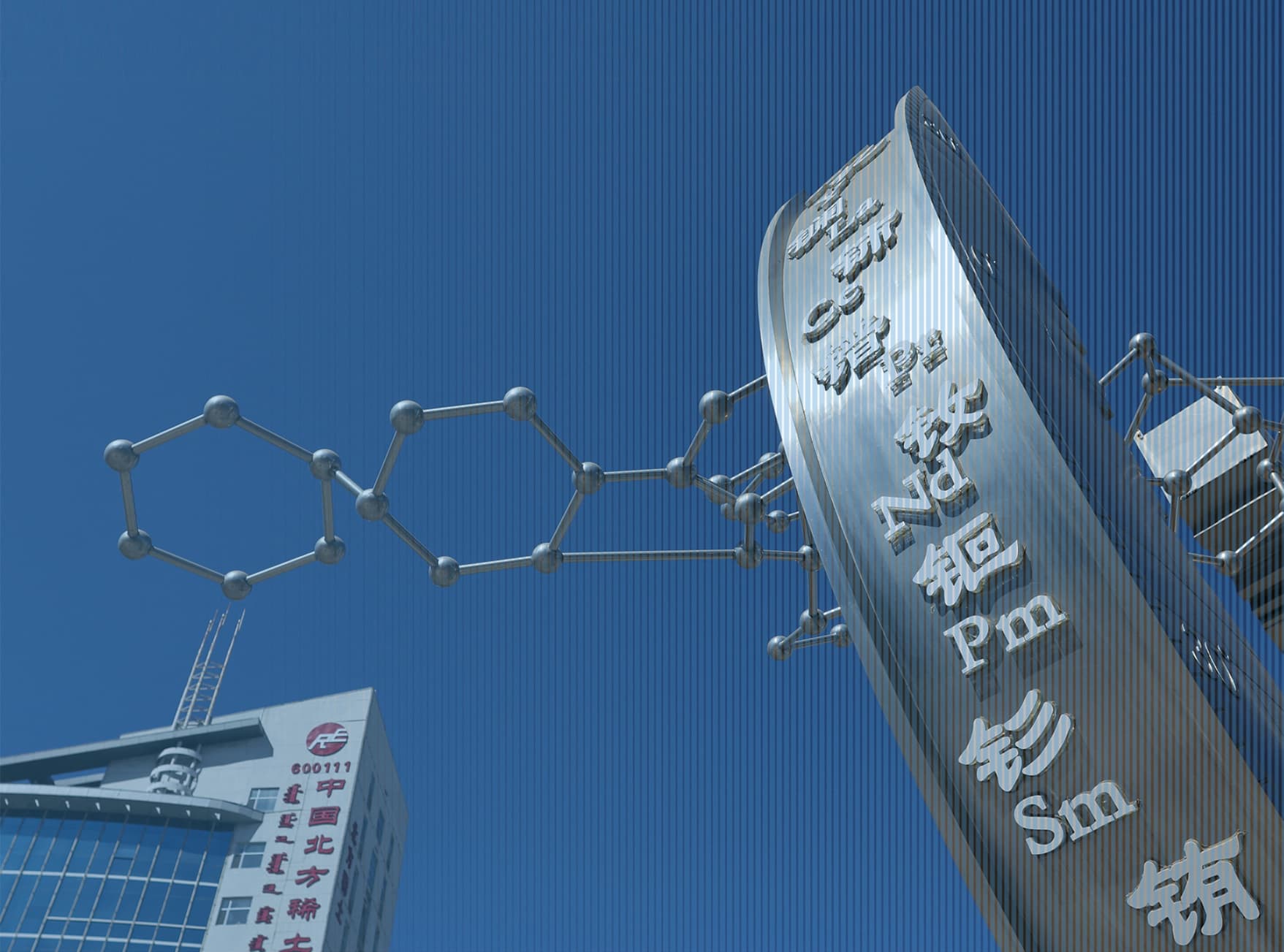
The United States exerts power abroad by controlling the supply of chips, frontier AI models, and access to financial services. China exerts power by controlling the supply of rare earth metals and magnets. The rest of the world awakens daily to new extraterritorial threats from these great powers.
Geoeconomic power is defined as this ability of governments to use their economic strength in financial and trade relationships to achieve geopolitical and economic goals. There was a lull in geoeconomic activity from the early 1990s to until recently, but this was the exception rather than the rule in the long history of international economic statecraft. Today, with the world substantially more globalized, specialized, and reliant on digital technologies than ever before, geoeconomics again demands attention. Among other reasons for concern, the United States and China are economically integrated in ways that America and Russia never were during the Cold War.
The world economic order that many of us grew up in has been ruptured. Many academics, policymakers, and industry leaders are trying to make sense of this rupture and thinking about how to put together a new system that brings prosperity and stability. We draw on our own research to share two lessons that we found useful in understanding the world we live in and that are important for shaping what might come next.
First lesson: identifying true chokepoints. Commentary often refers to chips, rare earths, financial services, oil, and natural gas as chokepoints. But what a chokepoint is, and whether and why these sectors are chokepoints while other sectors are not, too often remains elusive. A precise and measurable definition matters not just to understand the world but for guiding policy. Calling everything a chokepoint leads to intense lobbying by industries that justify their subsidies or protection as being in the national interest. It also leads smaller countries to fear any kind of dependency on foreign trade.
Second lesson: the importance for great powers, such as the United States, to exert power in a predictable, rule-based fashion, especially toward allies. Unpredictable coercion undermines the United States’ power by inducing the rest of the world, including traditional allies such as Canada and Western Europe, to insulate themselves from future pressure and fragment the global economy. No country wants to have a deep economic relationship with an extractive and volatile hegemon. As a new economic order emerges, the old multilateral institutions such as the World Trade Organization (WTO) struggle to maintain relevance. Yet the new system will still benefit from rules and commitment, especially from the most powerful countries. Just as important, the hegemon itself will benefit from some forms of commitment against capricious uses of its power.
Chokepoints and nonlinear power
While the United States can freeze an adversary out of the global financial system and China can threaten to cut off rare earth exports and send manufacturers scrambling, most countries lack the ability to exert meaningful pressure on their rivals. Even for great powers like the United States and China, it is only particular sectors that generate a disproportionate part of their power—sectors colloquially referred to as chokepoints. The hegemon threatens to hurt a foreign economy by withholding access to these inputs. The threat is more powerful the more these inputs are truly essential and irreplaceable to sustain economic activity in the foreign economy.
Our research shows that a powerful chokepoint has three characteristics:
The foreign country relies on the hegemon for most of its purchases of this input;
Alternative inputs are of much lower efficiency for the foreign country;
A large part of the foreign economy depends on these inputs.
These are not all-or-nothing criteria; rather, they are quantitative statements that describe the strength of the chokepoint. To make this concrete, let us analyze three sectors currently being weaponized.
Global finance: The United States derives much of its power from its dominance of the global financial system, not just as an issuer of the world’s reserve currency but as the provider of the backbone of the payment networks through which international transactions flow. The SWIFT messaging system, the dollar-clearing banks, and the corresponding banking relationships that underpin global commerce all run through American jurisdiction or jurisdictions that depend on access to US markets. The United States has often offered a stark choice to foreign banks: comply with US geoeconomic demands or be disconnected from US-controlled basic financial services. This threat is powerful because it satisfies the three criteria above.
Many targeted countries rely on US-controlled financial services for 80 percent or more of their cross-border financial activity, and in many cases even for domestic payments based on Visa and Mastercard circuits. Thus, the first criterion is met: the United States is a dominant supplier. Alternative financial services and infrastructure certainly exist, especially for domestic transactions, but they are an inefficient substitute for the dominant US services. For example, even the euro area has inefficient and fragmented domestic retail payment technologies. So, the second criterion is also met: only poor substitutes are available.
The first two criteria combine to create a “no alternative” effect, either because alternative suppliers are too small to absorb the volumes of new orders (criterion one) or because they are not as good (criterion two). In practice, these two effects reinforce each other. Power is nonlinear: it grows disproportionally as the provider of the inputs becomes dominant in expenditure share and as the available alternatives become inferior. Cornering the target economy and leaving buyers with no alternative is crucial for coercive power.
Financial services also satisfy the third criterion. Losing access to these services has a large impact on the targeted country’s financial sector. The financial sector in turn has a large effect on the rest of the economy. Indeed, financial crises are a painful reminder that trouble originating in the financial sector rapidly spreads to the rest of the economy.
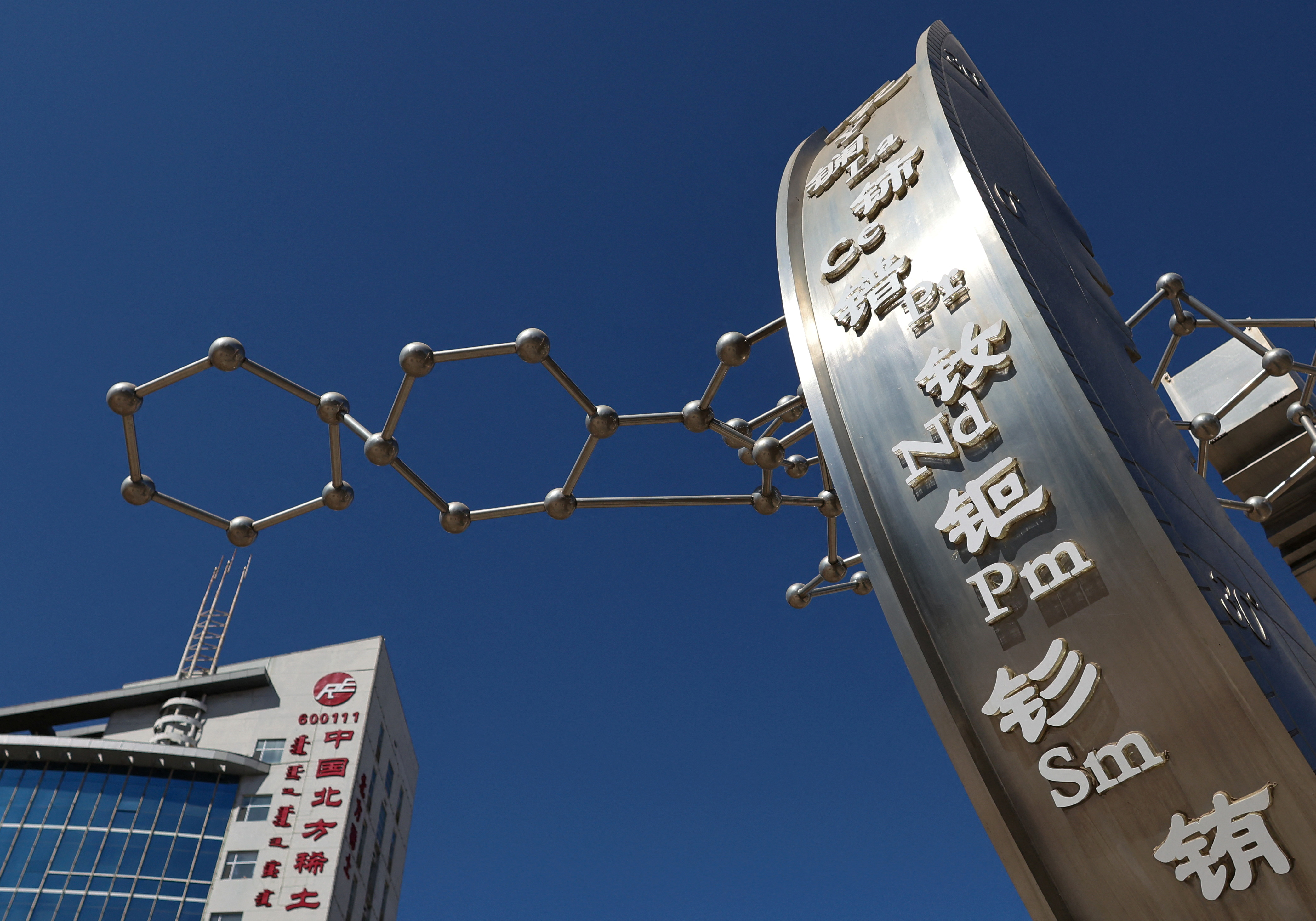
Rare earths: China’s chokepoint on rare earths meets similar criteria. China controls the vast majority of rare earth processing, often in excess of 80-90 percent, thus meeting criterion one. These materials are essential for many technological processes in manufacturing, for example in the production of magnets (criterion two). Many products that are important for the modern economy rely on parts that themselves need rare earths as inputs. For example, these magnets end up powering anything from electric car motors to computer hard drives to phone speakers (criterion three).
Oil: It is also instructive to consider crude oil as a chokepoint. Crude oil is still an essential input for many parts of modern economies; it definitely does well on criterion three. Where it has a less-clearcut position for any one country is in criteria one and two. Each variety of oil—for example, Saudi oil compared to US oil—is different but a relatively good substitute for other varieties in most production processes. Thus, each variety of crude oil scores low on criterion two. Hence, whether oil is a chokepoint really comes down to how much of the supply can be controlled by one player.
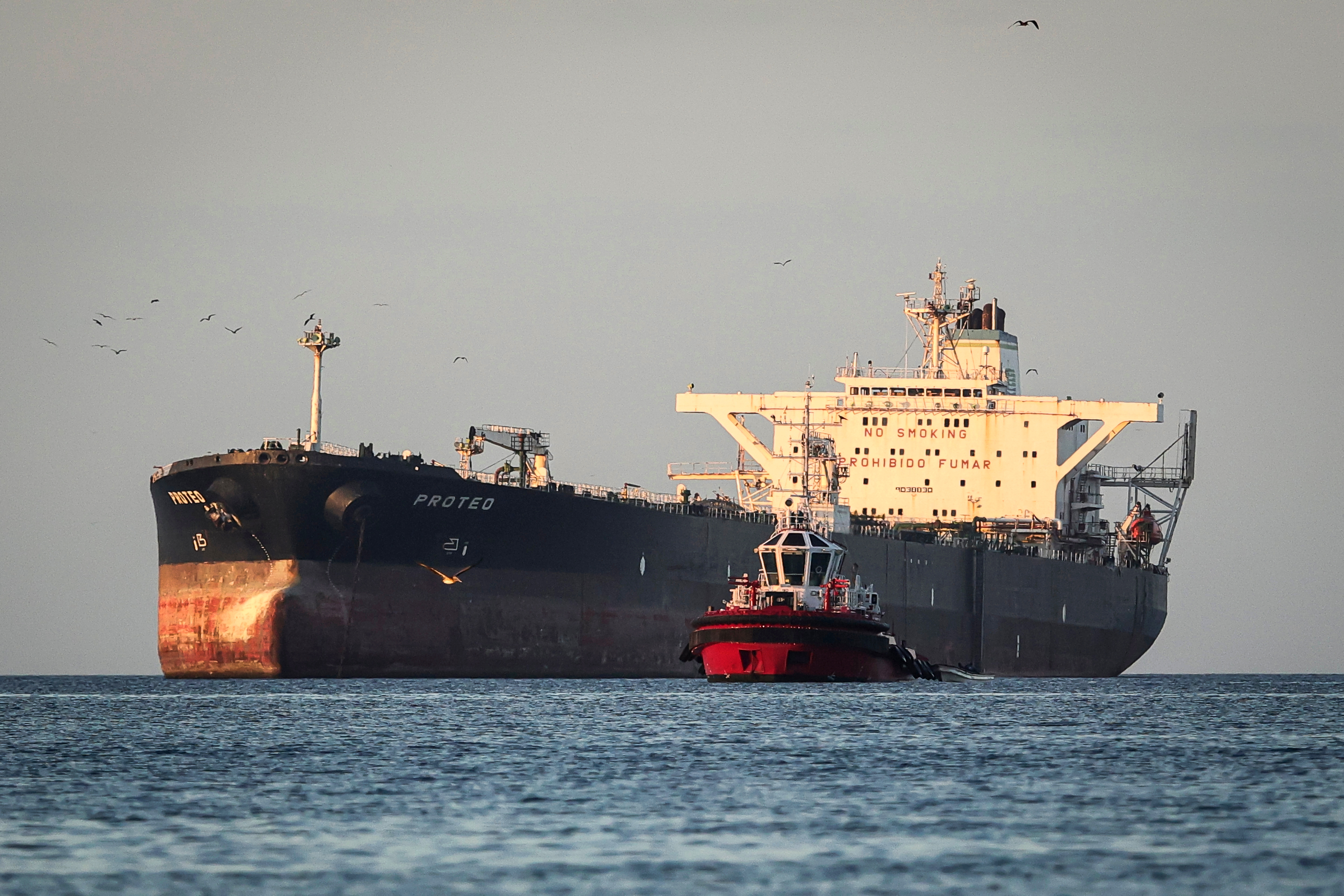
Each oil-producing country alone has little power, but oil could be restored as a chokepoint if a coalition controlled close to the entire supply. Indeed, the unified front of oil-producing countries was in full display when the OPEC cartel enforced the Arab oil embargo during the 1973 Yom Kippur War to put pressure on the United States. Today, such coordination would be hard to achieve given the geopolitical realities among the oil producers and the massive shift of the United States from being a large oil importer in the 1970s to a net oil exporter today. (In a twist on the OPEC embargo, Iran’s current actions to shut the Strait of Hormuz have forced Gulf countries to involuntarily curtail their supply of oil on global markets and led to a spike in oil prices.)
Why chokepoints matter: an example
Understanding the extent to which a sector is a chokepoint between two countries has crucial consequences for economic statecraft.
First, a quantitative analysis reveals that most bilateral trade does not generate this kind of extreme economic dependency. The presence of foreign trade per se does not grant a role for government intervention in the interest of national security. Governments should resist industries lobbying for subsidies or protection on national security grounds, when careful quantification shows them not to be relevant. In most cases, such action is not warranted.
But a major policy mistake can occur by taking no action when one is needed. For example, China is actively developing its alternative financial architecture for cross-border payments. Beijing introduced a relatively traditional system called CIPS, an alternative to the Western SWIFT and CHIPS, and a more technologically advanced system, called mBridge, that uses digital payments. These systems are currently sparsely used, but their adoption around the world is growing fast.
Consider a scenario a few years from now in which the Chinese systems account for 10 percent of cross-border payments, from the current 3 percent. US policymakers often take comfort from the fact that even in this scenario, US systems would probably still account for most global transactions. In our research, we show that this complacency is unwarranted and leads to a policy mistake in the form of inaction. Since power is nonlinear and depends on near dominance of a sector, going from 90 percent market share to 80 causes a much larger loss of power than going from 80 to 70, and so on. In this view, the US government should be spending substantial policy effort and fiscal resources to innovate its payment systems and aim to keep a dominant position. Instead, the current policies risk losing one of the major US chokepoints.
The fragmentation doom loop
Economists have long celebrated the gains from globalization, based on specialization and economies of scale. When countries specialize in producing what they do best and trade for the rest, all parties consume more than they could in isolation. The globalized economic system is why we concentrate semiconductor production in a handful of firms in Taiwan, South Korea, and the Netherlands; financial services dominated by a network of banks operating under US regulatory control; and rare earth processing heavily centered in China.
While this is in part a natural outcome of economies of scale and comparative advantage, it also creates an environment in which economic leverage is high—countries that control important inputs have the power to cut off others from their networks. Countries that did not specialize in producing these inputs now have only poor alternatives, leaving them vulnerable. Our research shows that the mechanisms that generate gains from international trade and finance also generate economic power for dominant countries, and economic dependency for the rest of the world.
When countries are in danger of being cut off from key inputs, they have an incentive to protect themselves with anti-coercion or economic security policies such as subsidizing domestic alternatives and diversifying sources of critical inputs to limit reliance on one dominant supplier. Over the past few years, as geoeconomic pressure has been at the forefront of global policy, there has been a corresponding increase in anti-coercion policies. The European Commission introduced the European Economic Security Strategy to address risks like the weaponization of economic dependencies and coercion. Japan has accelerated investments in domestic semiconductor capacity. BRICS countries are actively working to create an alternative financial architecture.
While it is reasonable for each country to want to reassess the benefits of global integration against the costs of economic dependency, there is a risk of a “fragmentation doom loop.” As each country decides to reduce its dependency on the world economy, it makes participating in that economy less attractive for other countries, and they too might want to further fragment away. The result could be a new world order in which countries are overly secure at the expense of giving up too much of the benefits of globalization.
Chaotic threats of economic coercion to allies and foes alike heighten the risk of fragmentation.
Many Western countries are pursuing formal trade agreements and more informal alliances to reduce dependency on the United States and increase their own power. Canadian Prime Minister Mark Carney famously quipped: “If we’re not at the table, we’re on the menu.” The postwar rules-based international order worked because countries believed that if they played by the rules, they would largely be treated according to those rules, even if countries long complained about the United States’ special place in the system. These expectations have now been shattered. Once they fear unpredictable coercion, it will be difficult to earn their trust again.
The irony, from a hegemon’s perspective, is that exercising geoeconomic power can reduce the future effectiveness of the very tools it is using. For example, US sanctions and export controls work because of the centrality of the US financial system and the dependence of foreign firms on US technology. The more that dependency is reduced as countries develop alternatives, the less power those tools carry.
International trade institutions, including the GATT, the WTO, and the broader system of rules and norms that the United States helped construct after World War II, have an important function in this calculus, serving as a mechanism through which a dominant power can credibly limit its own coercive behavior and reduce the incentive for other countries to fragment away from its economic network. Even if the United States and China were purely self-interested hegemons, they still would benefit from international organizations and commitments that limit their ability to coerce.
In the short run, coercion can appear successful as countries that were not expecting it fail to adjust their dependencies. Over time, as countries realize they will be coerced year after year, they respond by fragmenting away from the hegemons whenever possible.
In the long run, geoeconomic power is depleted if abused.
In the United States, a narrative has taken hold that multilateral commitments were “good for them, but not for us.” While the existing multilateral commitments and institutions surely have shortcomings, this narrative throws away much that is good and inhibits meaningful attempts at reform. American restraint was not purely a gift to others. By making the system credible, it maintained an order that preserved and enhanced American power.
Some policymakers seem to want a world that puts geoeconomics back in the box. But our research leads us instead to hope that the great powers learn it is in their own self-interest to constrain its use while also turning to economic inducements rather than blunt threats. While geoeconomics in its current form may be zero- or negative-sum, that does not have to be the case.
Christopher Clayton is associate professor of finance at Yale School of Management and a collaborator in the Global Capital Allocation Project.
Matteo Maggiori is a senior fellow by courtesy at the Hoover Institution, the Moghadam Family Professor of Finance at the Stanford Graduate School of Business, and co-director of the Global Capital Allocation Project.
Jesse Schreger is the Ann F. Kaplan professor of macroeconomics in the Economics Division at Columbia Business School and co-director of the Global Capital Allocation Project.